

Bike Paint Art
Quick Answer
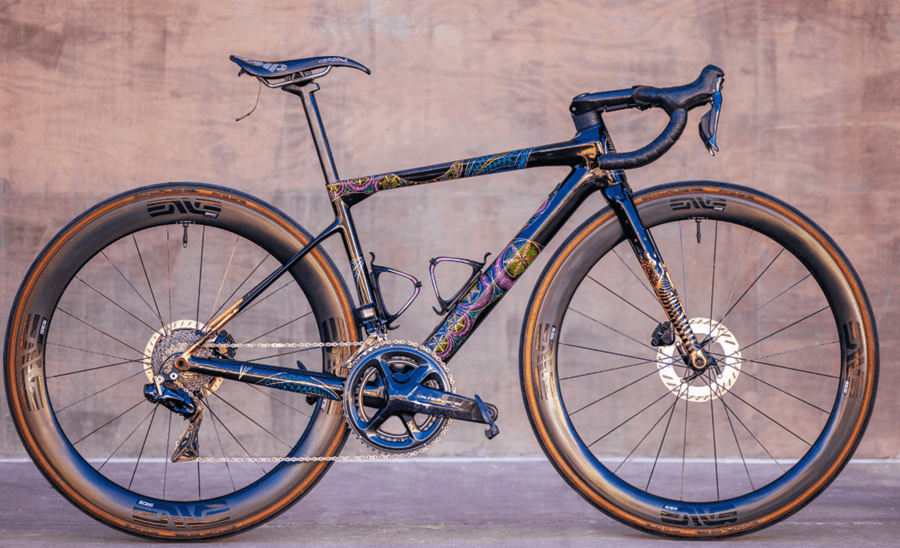
Custom bike paint by Santa Fe geologist Molly Baron transforms bicycle frames into hand-painted canvases featuring geology-inspired artwork. Baron’s painting process involves carbon fiber surface preparation, custom paint application using acrylic and specialized mediums, geometry-based design techniques inspired by natural patterns, and multi-stage clear coating with wet sanding and polishing. Her painted bicycles include a BMC Team Machine road bike and Trek Checkpoint gravel bike, both featuring nature-based designs incorporating Southern Rockies geology and flora motifs. The application requires 200-300 hours per frame and combines traditional painting techniques with scientific approaches to pattern replication.
Molly Baron applies custom designs that merge geological observation with artistic technique. Based in Santa Fe, New Mexico, Baron hand-paints bicycle frames with artwork derived from her professional work as a geologist studying Southern Rockies geology and regional flora. Her work transforms carbon fiber bicycle frames into functional art pieces through a multi-stage painting and finishing process.
Design Development
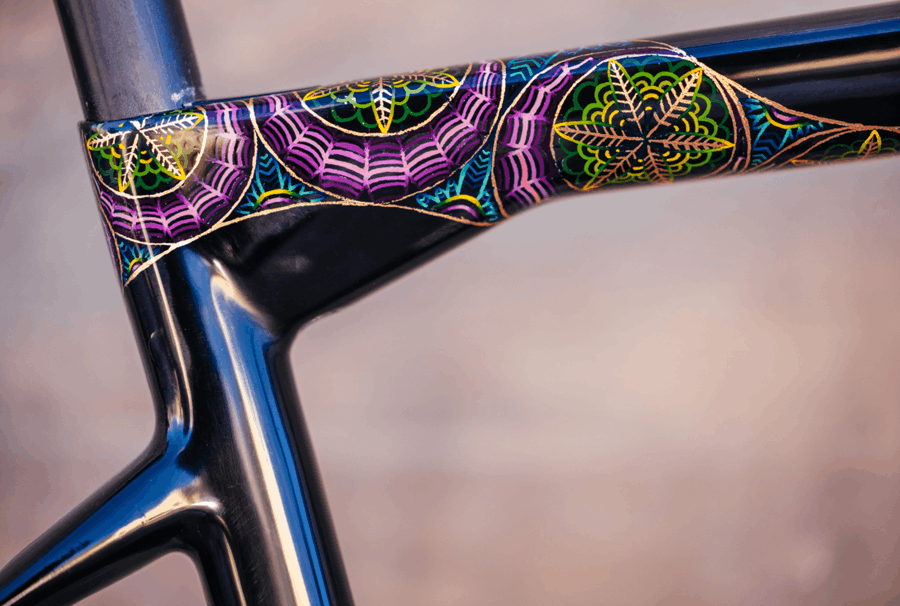
Baron’s designs originate from geological observations translated into paintable patterns. Rather than attempting photorealistic rendering, her approach focuses on underlying geometric structures found in natural formations. This method allows complex natural patterns to be reproduced on three-dimensional bicycle frame surfaces through systematic geometric replication.
The design process begins with identifying natural patterns that can be simplified into geometric components. Fractal patterns in plant structures, mineral crystallization geometry, and landform patterns provide source material for applications. Baron develops these concepts through flat surface testing before adapting designs to bicycle frame geometry.
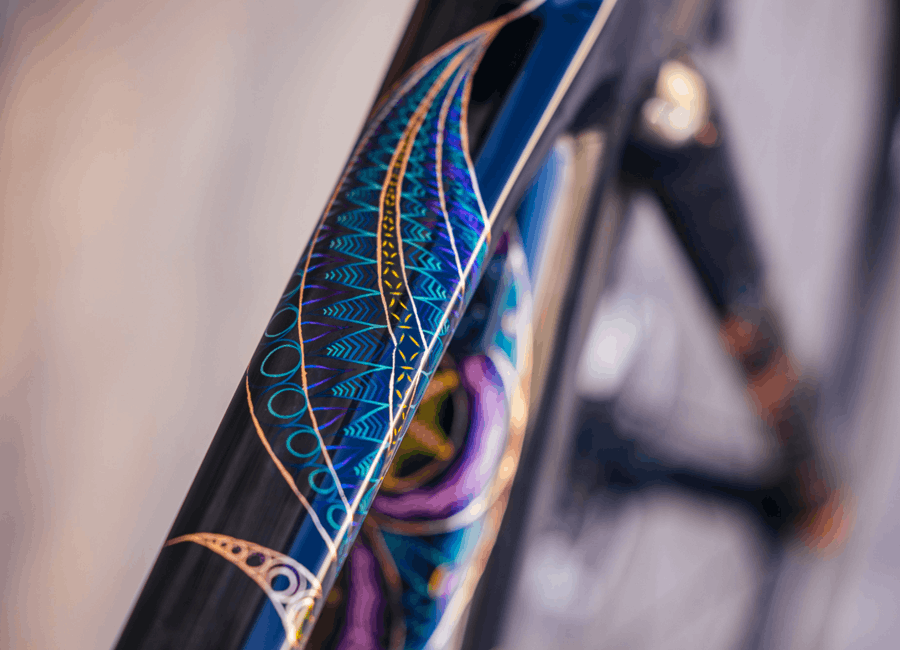
Static electricity, controlled oxidation, and light diffraction through crystal structures create textures that replicate natural processes. These techniques introduce randomness controlled by physical forces rather than manual brushwork, producing organic variation in the finish.
Surface Preparation
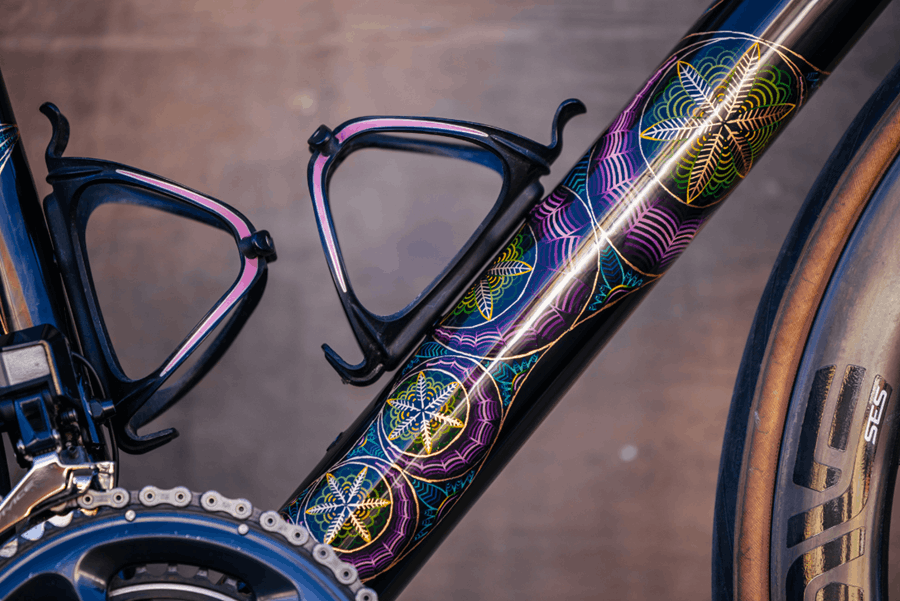
Carbon fiber frames require specific preparation before paint application. Baron sands existing finish to create mechanical adhesion for primer and paint layers. The carbon weave pattern remains visible through translucent paint layers, becoming a design element in the final scheme.
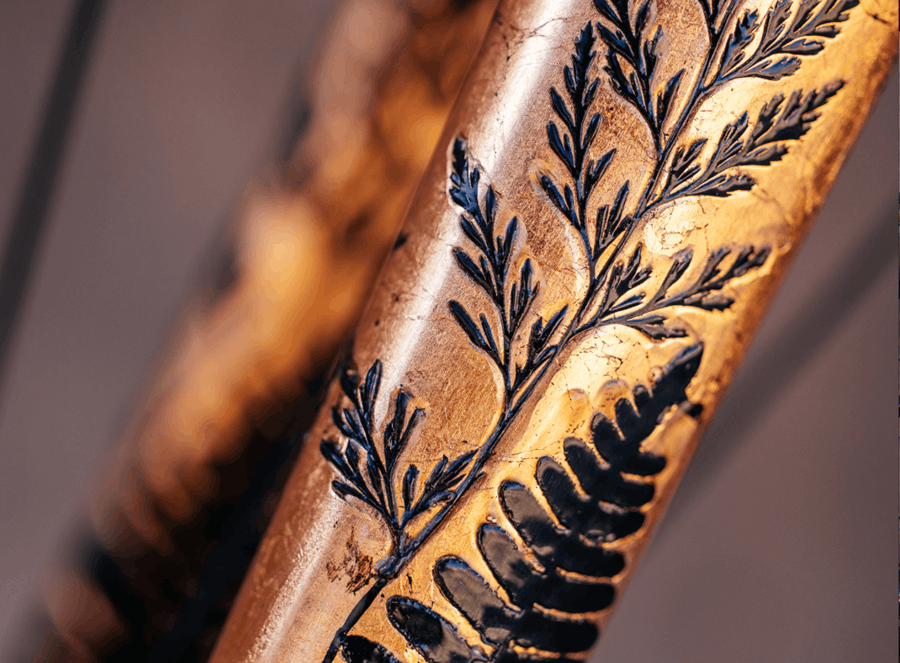
Design transfer onto the prepared carbon surface uses hand-drawn templates adapted to frame tube curvature. Masking tape and liquid masking compounds block areas where different techniques or mediums will be applied sequentially. This stage establishes the spatial organization of the design across fork blades, down tubes, seat tubes, and chain stays.
Application Process
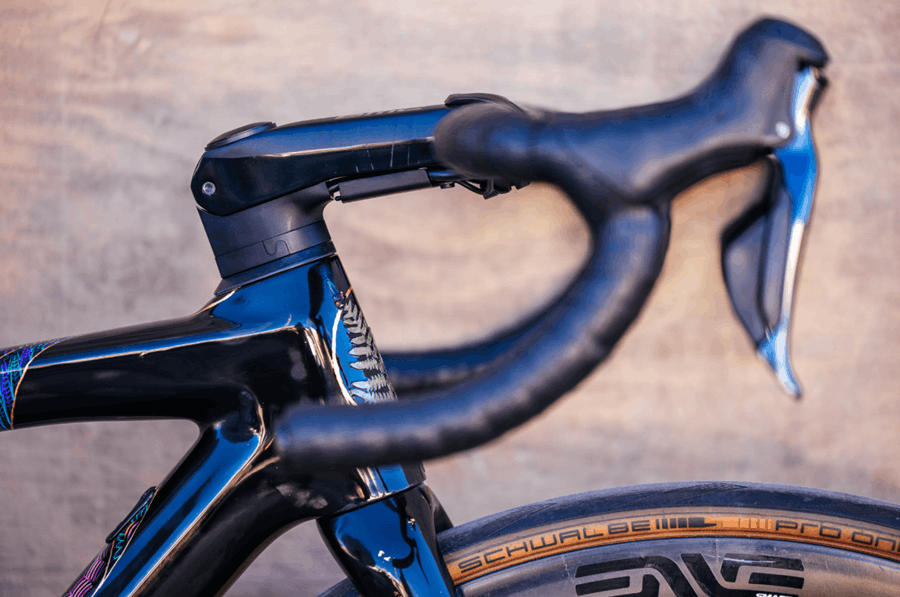
Baron’s application employs acrylic paints as the primary medium, supplemented with specialized materials including metallic pigments, interference colors, and dichroic materials. Acrylic formulations provide durability on carbon fiber while allowing multiple translucent layers to build color depth.
The painting stage requires 200-300 hours per frame. Baron applies paint in thin layers, allowing each coat to cure before adding subsequent applications. This layering technique creates dimensional depth in the finish and prevents color muddying that occurs when wet paint layers mix.
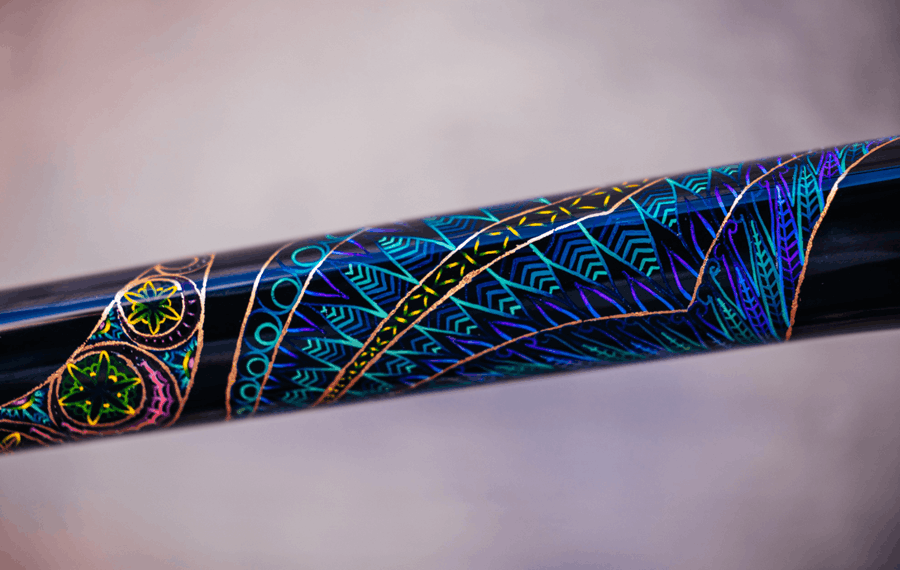
Brush technique varies based on the design element being rendered. Geometric patterns use precise edge control with small brushes, while organic textures employ stippling, dry brushing, and graduated color transitions. The application must account for the three-dimensional contours of frame tubes, maintaining pattern continuity as designs wrap around curved surfaces.
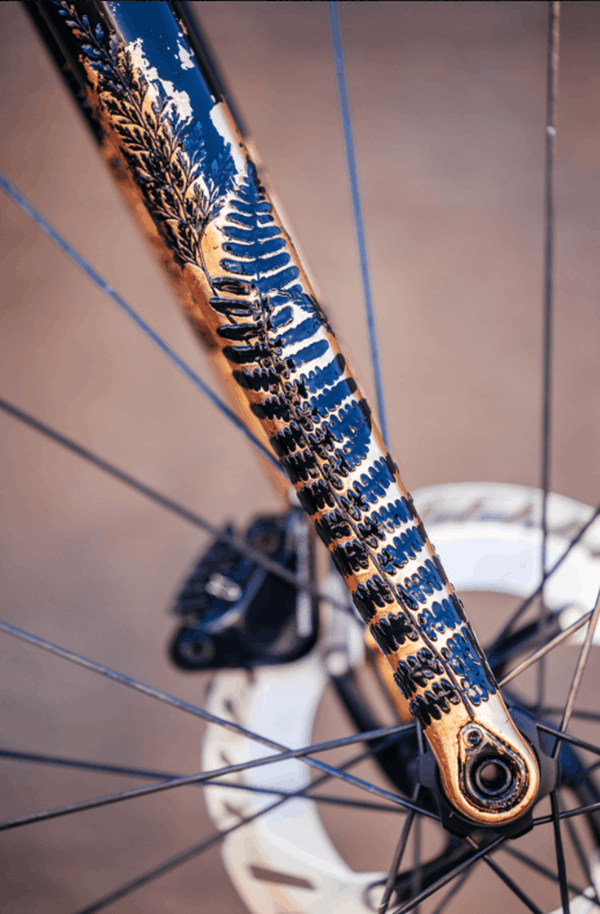
Dichroic materials in Baron’s palette create color-shifting effects similar to opal or labradorite minerals. These materials diffract light into component wavelengths, producing finishes that change appearance based on viewing angle and lighting conditions. Application requires precise particle orientation to achieve consistent optical effects across frame surfaces.
Clear Coating and Finishing
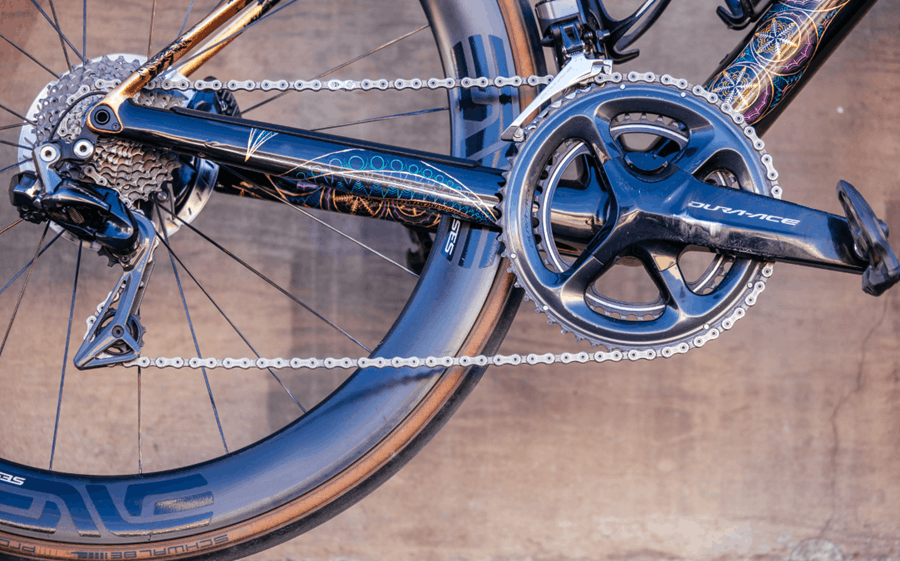
Clear coat application protects underlying artwork while enhancing visual depth. Baron uses two-part automotive clear coat formulations that cure to a hard, UV-resistant finish. This stage presents the highest risk of project failure, as contamination or application errors can damage the completed painting underneath.
Multiple clear coat layers build to a thickness of approximately 2-3 mils over the painted surface. Each layer must cure completely before sanding and application of the next coat. This progressive build creates the depth that makes the carbon fiber weave and painted layers appear to float beneath a glass-like surface.
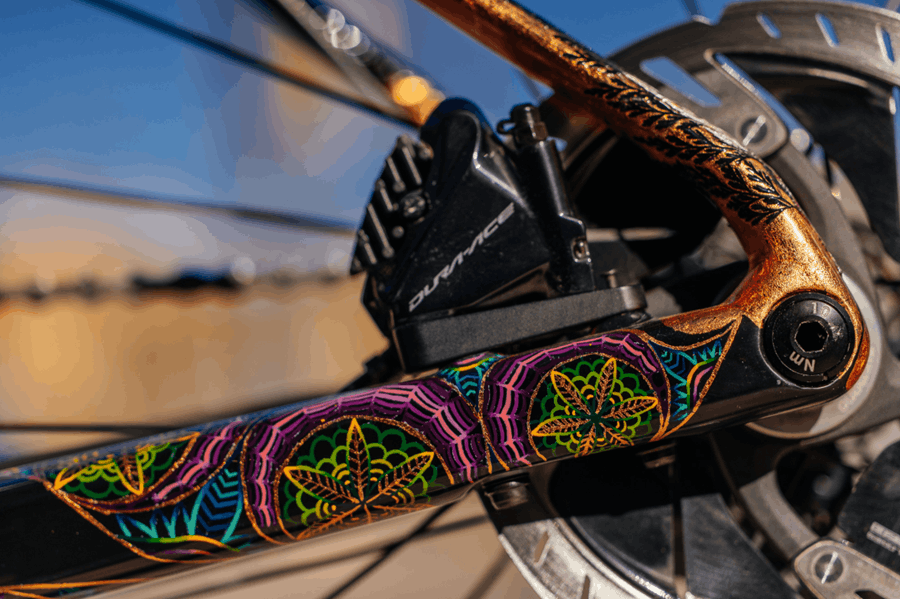
Wet sanding with progressively finer abrasives removes orange peel texture from the clear coat. Baron uses 1000-grit through 3000-grit sandpaper with water as a lubricant, cutting the clear coat to a perfectly flat surface. This preparation stage is essential for the final polishing that produces a mirror finish.
Polishing compound applied with foam pads removes fine sanding marks and develops the high-gloss finish. The polishing stage dramatically increases the visual impact by maximizing light transmission through the clear coat to the underlying layers and carbon weave.
Featured Projects
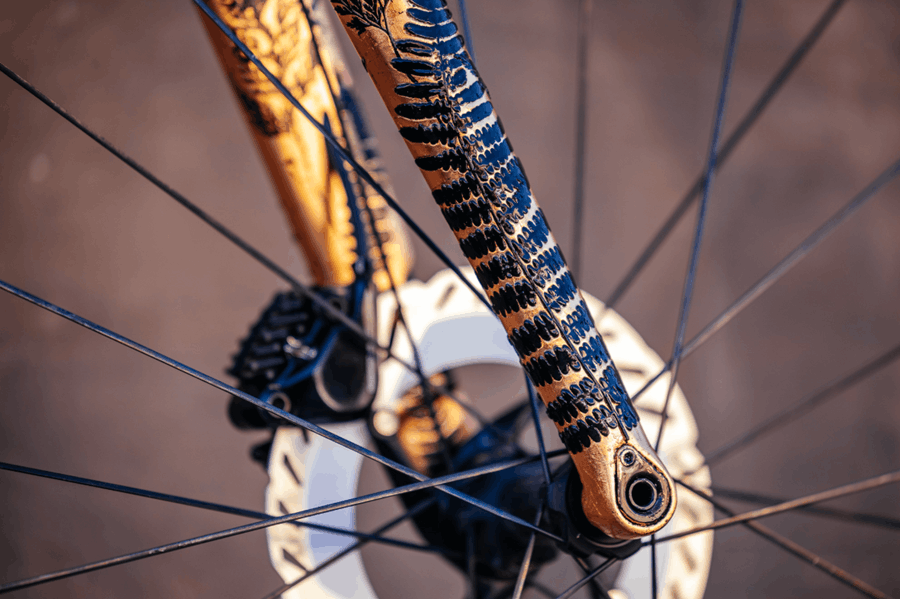
Baron’s BMC Team Machine road bike features geology-inspired artwork incorporating mineral crystal patterns and color palettes derived from rock formations in the Southern Rockies. The design uses interference pigments to create color-shifting effects that mimic the optical properties of certain mineral specimens.
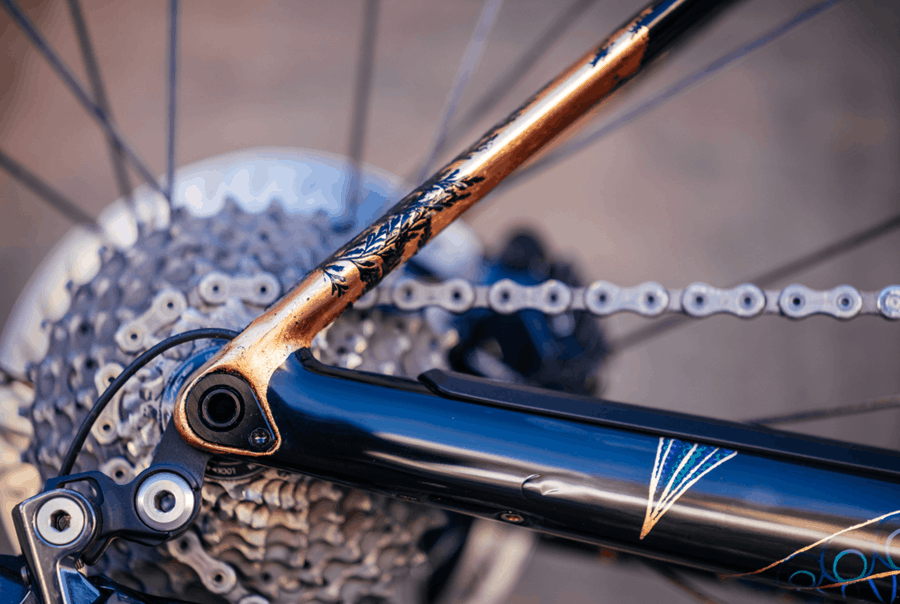
Her Trek Checkpoint gravel bike displays designs based on regional flora patterns. Fractal geometry found in plant structures provides the organizing principle for the layout, with organic color transitions representing seasonal vegetation changes in high-desert ecosystems.
Both bikes demonstrate how custom painting can integrate the underlying carbon fiber weave as a design element rather than covering it completely. Translucent layers allow the technical material structure to remain visible, creating visual continuity between the engineered carbon construction and the artistic application.
Technical Considerations
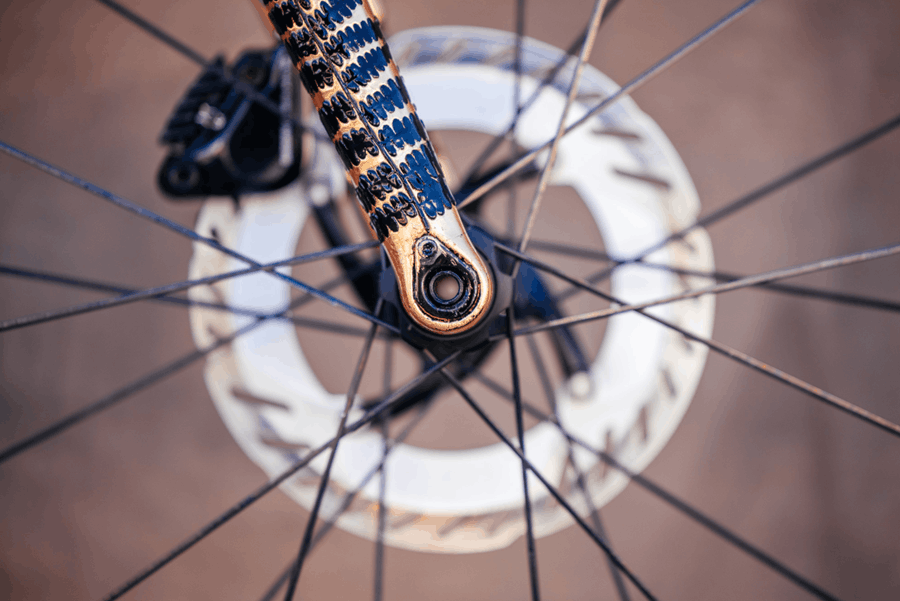
Custom painting on carbon fiber frames must withstand mechanical stress, UV exposure, and minor impacts without delamination or color fading. Baron’s testing process includes sample panel exposure to environmental conditions before committing techniques to actual frames. Temperature cycling, flex testing, and impact resistance verification ensure the system maintains integrity under cycling use.
Weight addition from paint and clear coat typically ranges from 80-120 grams depending on design complexity and number of layers. This weight increase is distributed across the frame surface and does not significantly affect bicycle performance characteristics.
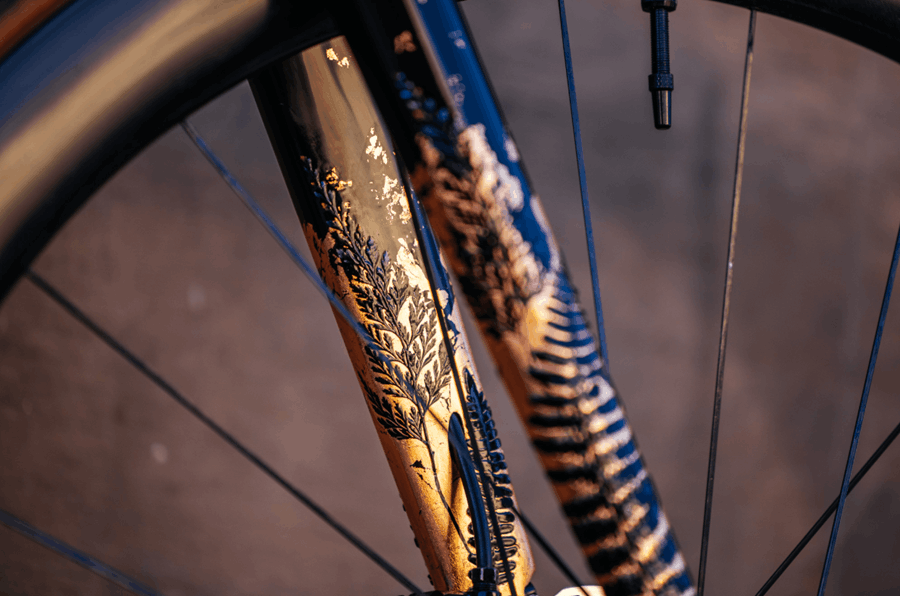
The finish requires standard maintenance including washing with pH-neutral soap and application of polymer sealants or waxes. UV protection from clear coat formulation prevents color fading, though Baron recommends avoiding prolonged storage in direct sunlight.
Baron’s approach demonstrates how scientific observation can inform artistic practice on functional objects. Her geology background provides pattern recognition skills and understanding of material properties that directly translate to surface decoration techniques. The resulting bicycles function as both transportation and rolling expressions of the natural world that inspired their design.
Each project represents a prototype for new techniques or material combinations. Baron continues developing methods for translating natural phenomena into durable surface treatments suitable for bicycle frames, with each completed project informing approaches for future work.
Frequently Asked Questions
What type of paint works best for custom painting on carbon frames?
Acrylic paints formulated for automotive or specialty applications provide the best combination of adhesion, flexibility, and durability on carbon fiber. These paints cure to a hard finish that resists chipping while maintaining slight flexibility to accommodate frame flex during riding.
How long does custom bicycle painting take to complete?
Complete projects including design development, surface preparation, painting, clear coating, and finishing require 200-300 hours spread over several months. Clear coat curing between sanding stages accounts for much of the elapsed time.
Can custom designs be applied over existing factory finishes?
Custom artwork can be applied over factory finishes if the surface is properly prepared through sanding to create mechanical adhesion. However, removing the original finish to bare carbon allows translucent techniques that incorporate the carbon weave as a design element.
What is the durability of hand-painted frames compared to factory finishes?
Hand-applied custom finishes using automotive-grade clear coats provide durability comparable to factory finishes when properly applied and cured. The multi-stage clear coat and polishing process creates a finish thickness and hardness similar to production systems.
James Hickman is a former USA Cycling Expert-level coach who has worked with cyclists at every level, from beginners to competitive racers. He served as a coach for the Leukemia & Lymphoma Society’s Team In Training program, helping riders prepare for and complete century events. A Masters-category racer himself, he competed and earned podium finishes in Southern California events and holds a Platinum finish at El Tour de Tucson, completing the 100 miles+ in under five hours.
RECOMMENDED PRODUCTS
 The Pro Travel Pedal Wrench makes quick work of tough pedals and now doubles as a socket driver for use with Pedro’s professional socket tools. The Pro Travel Pedal Wrench makes quick work of tough pedals and now doubles as a socket driver for use with Pedro’s professional socket tools. |
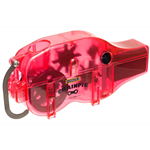 The Pedro’s Chain Pig II Chain Cleaner uses pro-grade brushes and an absorbent sponge that removes grime, dirt, and oil from your chain, so you can ride with less gunk clogging your drivetrain. The Pedro’s Chain Pig II Chain Cleaner uses pro-grade brushes and an absorbent sponge that removes grime, dirt, and oil from your chain, so you can ride with less gunk clogging your drivetrain. |
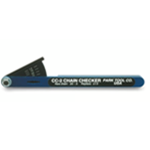 Park Tool CC-2 Chain Checker. Chain wear directly impacts shifting performance and accelerates drivetrain damage. Beyond 0.5% elongation, worn chains damage cassette cogs and chainrings through improper engagement.
|
We are an Amazon affiliate and earn from qualified Amazon purchases with no cost to you. This is for ANY product that you purchase through our links. We are also an affiliate for Competitive Cyclist and JensonUSA. This way we can provide you with competitive pricing and products.