


Quick Answer: What are the basics of bicycle repair? The six fundamentals are routine maintenance, essential tools, flat tire repair, brake and gear adjustment, chain care, and knowing when to use a professional mechanic. Mastering these six areas prevents most mechanical failures and keeps a bike safe to ride.
Bicycle Repair: Six Core Maintenance Areas
Bicycle repair isn’t optional upkeep — it’s the difference between a bike that performs predictably and one that fails at the worst moment. The six areas below cover what every cyclist should know, regardless of experience level.
1. Routine Maintenance Schedule
Preventive maintenance reduces the frequency and cost of repairs. A basic schedule:
- Every ride: Check tire pressure and inspect for visible damage to tires, brake pads, and cables.
- Weekly (for regular riders): Clean and lubricate the chain, check brake lever travel, inspect for loose bolts at the stem, seatpost, and wheel skewers.
- Monthly: Inspect tire sidewalls for cracking, check headset and bottom bracket for play by rocking the bike front to back with the front brake engaged.
- Seasonally: Deep clean the drivetrain, replace cables and housing if shifting or braking feels sluggish, check wheel trueness.
Skipping these checks doesn’t eliminate the work — it just shifts it to a roadside repair or a shop bill.
2. Essential Tools
A functional bicycle repair kit doesn’t need to be extensive. The core list:
- Allen key set (2mm–8mm) — covers most bolts on modern bikes
- Tire levers — for removing tires without damaging rims or tubes
- Mini pump or CO2 inflator — portable pressure for roadside fixes
- Chain tool — for breaking and reassembling chains
- Floor pump with gauge — accurate home inflation
- Multi-tool with screwdriver bits — for derailleur and brake adjustments
This set handles the majority of bicycle repair tasks covered below. Specialized jobs (described in section 6) require additional tools.
Coach’s Pick — Repair Tool Kit: 41 Pieces Bike Repair Tools, Complete Bike Tools Kit with Storage Box → View on Amazon amazon affiliate
3. Fixing a Flat Tire
A flat tire is the most common bicycle repair task. The process:
- Remove the wheel from the frame.
- Deflate the tube fully, then use tire levers to lift one side of the tire bead off the rim.
- Pull out the tube and locate the puncture — inflate slightly and listen, or submerge in water and watch for bubbles.
- Patch the tube or install a new one. Check the tire’s interior for the object that caused the puncture before reinstalling.
- Seat the tire bead evenly around the rim, then inflate to the pressure printed on the sidewall (typically 80–130 psi for road tires, 30–50 psi for mountain tires).
- Spin the wheel to confirm the tire sits evenly and the tube isn’t pinched.
An unevenly seated tire can blow off the rim under pressure, so this step matters more than most riders assume.
Coach’s Pick — Spare Tubes & Patch Kit: Carrying a pre-glued patch kit plus one spare tube covers nearly every roadside flat without adding significant weight. → View on Amazon amazon affiliate
4. Adjusting Brakes and Gears
Brakes: Inspect pad thickness — replace when less than 1mm of material remains. Use the barrel adjuster (on the lever or caliper) to remove excess lever travel. Pads should contact the rim or rotor simultaneously and release cleanly without rubbing.
Gears: Index the rear derailleur by turning the barrel adjuster in quarter-turn increments until each shift lands cleanly on the intended cog without hesitation or chain noise. The front derailleur should clear the chain on the largest and smallest chainrings without rubbing in any gear combination. Cable stretch is the most common cause of degraded shifting and is corrected with the same barrel adjuster.
5. Chain Maintenance
The chain transfers all drivetrain power and wears faster than any other component. Maintenance steps:
- Clean with a degreaser and brush, removing built-up grime from between links and rollers.
- Dry thoroughly before lubricating — trapped degreaser attracts more dirt.
- Apply lubricant to each roller individually, then wipe excess from the outside of the chain.
- Check chain wear with a chain checker tool every 1,000–2,000 miles; a stretched chain accelerates wear on cassettes and chainrings.
A neglected chain is the single biggest contributor to premature drivetrain replacement costs.
Coach’s Pick — Chain Lube & Degreaser: A wet or dry lubricant matched to riding conditions, paired with a citrus-based degreaser, keeps the drivetrain running clean and extends chain life. → View on Amazon amazon affiliate
6. When to Seek Professional Help
Some repairs require specialized tools, precision measurement, or safety-critical judgment best left to a shop:
- Wheel truing — requires a truing stand and spoke wrench, plus practice to avoid over-tensioning spokes
- Bottom bracket service — proprietary tools vary by standard (BSA, BB86, T47, etc.)
- Headset adjustment — improper preload causes steering play or bearing damage
- Hydraulic brake bleeding — requires correct fluid type and a sealed system
Attempting these without the right tools often causes more damage than the original issue. A qualified mechanic can also diagnose intermittent problems — creaks, clicks, or play — that are difficult to isolate without experience.
FAQs
How often should I do basic bicycle repair maintenance?
Check tire pressure and brakes before every ride. Clean and lubricate the chain weekly with regular use, and inspect the headset, bottom bracket, and wheel trueness monthly.
What’s the minimum toolkit for home bicycle repair?
An Allen key set, tire levers, a mini pump or CO2 inflator, a chain tool, and a multi-tool cover the majority of common repairs, including flats and basic brake/gear adjustments.
When should I take my bike to a shop instead of doing the repair myself?
Wheel truing, bottom bracket overhauls, headset adjustments, and hydraulic brake bleeding require specialized tools and precision that justify professional service.
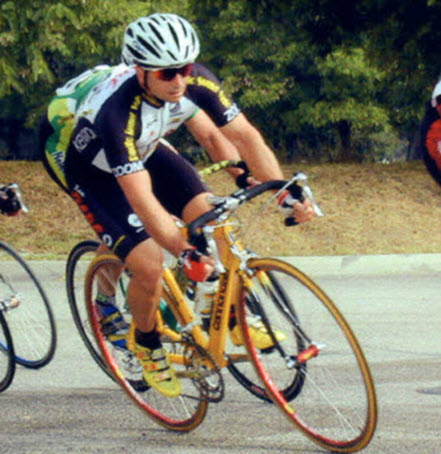
James Hickman is a former USA Cycling Expert-level coach who has worked with cyclists at every level, from beginners to competitive racers. He served as a coach for the Leukemia & Lymphoma Society’s Team In Training program, helping riders prepare for and complete century events. A Masters-category racer himself, he competed and earned podium finishes in Southern California events and holds a Platinum finish at El Tour de Tucson, completing the 100 miles+ in under five hours.
Sponsored · Competitive Cyclist
We are an Amazon affiliate and earn from qualified Amazon purchases with no cost to you. This is for ANY product that you purchase through our links. We are also an affiliate for Competitive Cyclist and JensonUSA. This way we can provide you with competitive pricing and products.