

Quick Answer:
Most bike serial numbers are stamped or engraved underneath the bottom bracket, though head tubes, chain stays, seat tubes, and rear dropouts are also common spots depending on the brand. Once you have the number, you can search “[brand name] serial number decoder,” check it against BikeIndex.org’s stolen bike database, or contact the manufacturer directly. Vintage and Japanese-market bikes often don’t fit standard decoders and may need brand-specific research instead.
Every bike has a serial number stamped, engraved, or stickered somewhere on the frame — usually under the bottom bracket. That number matters for more than trivia: it’s what police and BikeIndex.org use to trace a stolen bike, what manufacturers use to confirm model year and original specs, and what you’ll need on hand for an insurance claim. This guide covers where to find it, how to look it up, and what it can — and can’t — tell you.
Life360 Pro – Powerful Bluetooth Tracker – track your bike’s location with military-grade precision before thieves can disappear START YOUR JOURNEY HERE ➡️
So, why should you, as a cyclist, care about this seemingly obscure code? The benefits are far-reaching and can significantly impact your experience as a bike owner:
- Theft Recovery: Your Bike’s Best Chance of Coming Home: In the unfortunate event of bike theft, your serial number becomes your most powerful tool. When reporting a stolen bicycle to the police or registering it on bike registry databases, this unique identifier allows law enforcement and the cycling community to accurately track and potentially recover your prized possession. Without it, your chances of seeing your bike again diminish drastically.
- Proof of Ownership: Establishing Your Rightful Claim: Whether you’re selling a used bicycle, dealing with insurance claims, or even just proving ownership in a dispute, your serial number serves as irrefutable evidence that the bike belongs to you. It eliminates ambiguity and strengthens your claim.
- Insurance Purposes: A Key Requirement for Coverage: Most bicycle insurance policies require you to provide the serial number of your bike. This helps them accurately identify and track your specific asset for coverage purposes in case of theft or damage.

Where To Find It
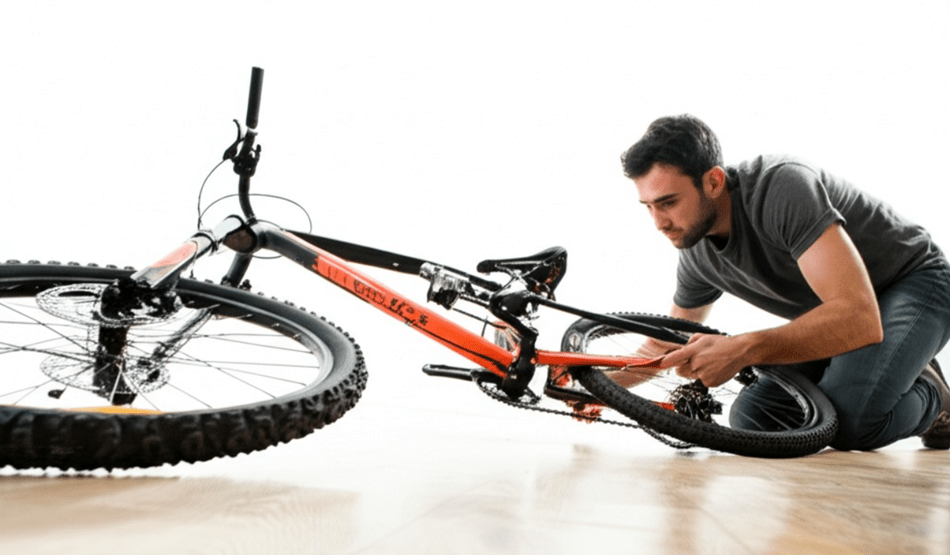
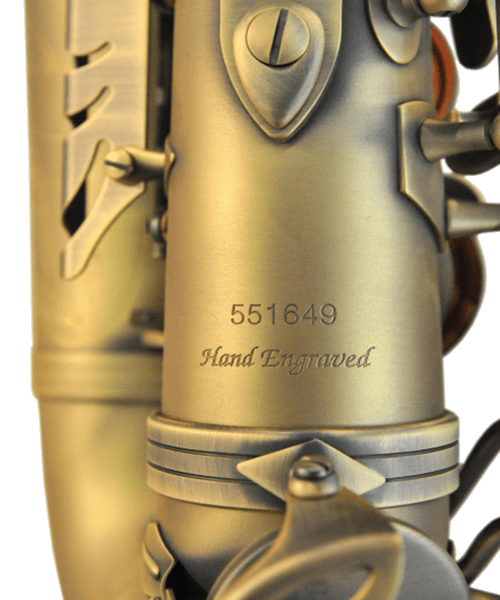
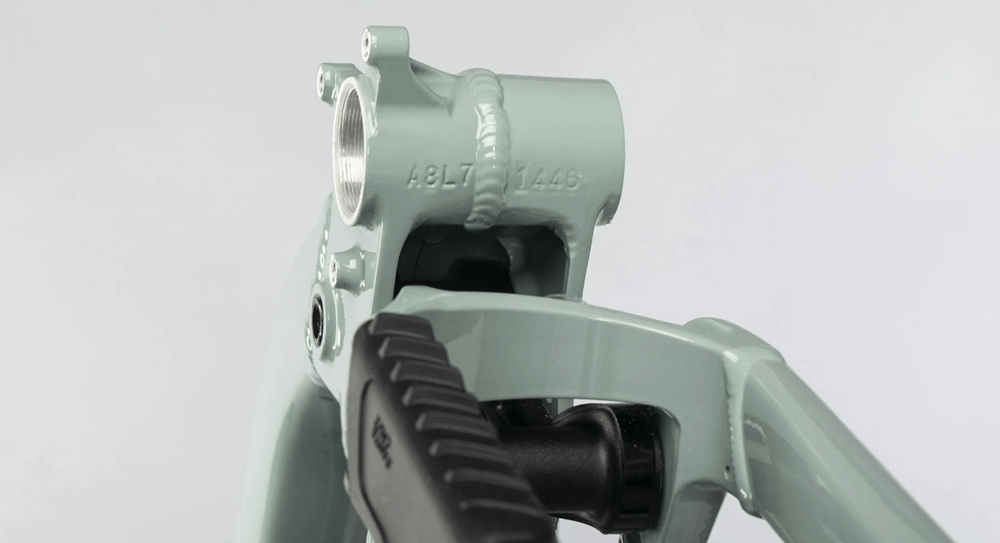
The serial number is most often stamped or engraved underneath the bottom bracket — the part of the frame where the pedals attach. Flip the bike over and check the underside of that shell first.
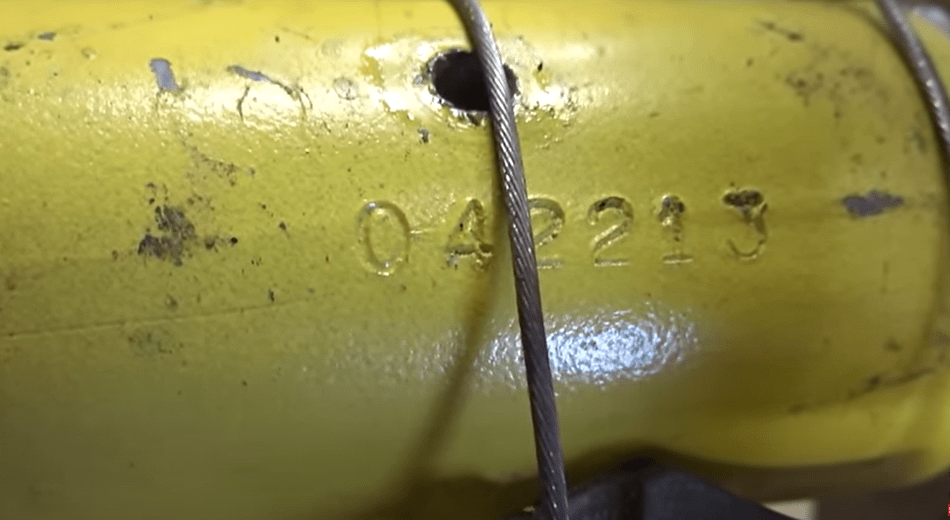
If it’s not there, check these other common spots: the head tube (front vertical tube where the handlebars connect), the chain stays (the two tubes running from the rear axle to the bottom bracket), the seat tube (near where it meets the bottom bracket), and the rear dropouts (where the rear axle sits).
Carbon Frames Are Different
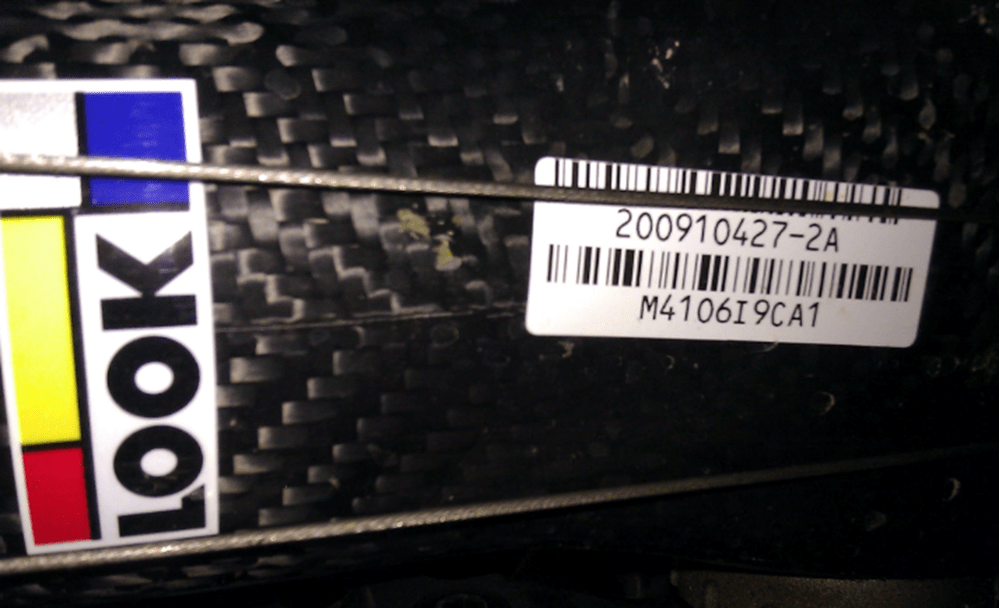
Carbon frames often don’t have a stamped number at all — look instead for one etched into the carbon surface or printed on a sticker/decal, usually near the bottom bracket or seat tube. Handle stickers carefully so you don’t peel or damage them.
Carbon frames often don’t have a stamped number at all — look instead for one etched into the carbon surface or printed on a sticker/decal, usually near the bottom bracket or seat tube. Handle stickers carefully so you don’t peel or damage them.
Muc-Off Carbon Frame Protective Shine Spray Ultimate UV protection meets showroom shine – your carbon frame deserves nothing less! START HERE ➡️
Brand-Specific Locations
A few manufacturers have known tendencies:
- Trek: stamped into the bottom of the bottom bracket shell, sometimes the lower seat tube
- Rad Power Bikes: head tube
- Schwinn: head tube or rear dropout, varies by model and year
- Santa Cruz: requires removing the rear wheel and lower shock bolt, then compressing the swingarm to reveal the number
Pro tip: a flashlight and a clean cloth help here — dirt and grime commonly obscure the number, so check each spot systematically before assuming it’s missing.
Three Ways to Look It Up
Once you’ve found the serial number, there are three main ways to find out what it means.
Search “[Brand] Serial Number Decoder”
The simplest approach is searching “[brand name] serial number decoder” — for a Trek, that’s “Trek bike serial number decoder.” Depending on the brand, this can turn up:
- Official brand tools that let you enter the serial number directly and get back a model year (and sometimes the exact model)
- Enthusiast forums where experienced owners help decode older or less-documented serial formats
- Third-party decoder sites, which vary in reliability — verify before entering any personal information\


Not every manufacturer has a public decoder, and this is where vintage and Japanese-market bikes in particular fall through the cracks — brands like Miyata, Shogun, Centurion, Fuji, and Bridgestone generally don’t have an official online decoder at all. For those, a brand-specific research guide works better. If you’re dealing with an older Japanese frame, our General Asian Serial Number Guide over at classicjapanesebicycles.com is a good place to start, and we’ve got dedicated guides for several individual brands there too.Check BikeIndex.org
BikeIndex.org is a free, non-profit bike registry. Enter a serial number and it’ll tell you whether that bike has been reported stolen, since the database is shared with law enforcement, bike shops, and cycling communities. It’s a good due-diligence step before buying a used bike, and you can also register your own bike there to improve its odds of recovery if it’s ever stolen.
Bike Index reports having helped recover more than 14,000 stolen bikes since launching in 2013.
Contact the Manufacturer Directly
If the first two methods don’t turn up anything, contact the manufacturer’s support team directly with the serial number, brand, and any other details you have (approximate purchase year, model name). Support teams often have access to historical production records and can confirm model year, original specs, and sometimes the exact production date — particularly useful for older or less common brands where online resources are thin.
KMC X11SL DLC Super Light 11-Speed Bike Chain Whisper-quiet power transfer with military-grade durability – because your pedal strokes deserve perfection!
INCREASE PERFORMANC HERE ➡️
What the Serial Number Can (and Can’t) Tell You
Every serial number is unique to that specific bike, which is mainly useful for manufacturers tracking units through their supply chain — and occasionally for confirming the exact model when you’re sourcing replacement parts.
Beyond that, many serial numbers encode a rough manufacturing date in the first few digits, with the remaining digits identifying that bike’s position within a production batch. The exact format varies by brand, and there’s no universal standard. Online decoders can sometimes crack this, but their accuracy varies and many don’t cover older or less common brands — for anything beyond a rough guess, contacting the manufacturer directly remains the most reliable way to confirm a bike’s age and original specs.
CONCLUSION
Most serial numbers are easy to find — usually under the bottom bracket — and easy to put to use once you have them. Check it against BikeIndex.org if you’re buying a used bike, keep a record of it for insurance purposes, and consider registering your own bike there too. It’s a five-minute task that pays off if your bike is ever lost or stolen.
Then add this brand-new FAQ section right after it, before the “AMAZON’S TOP-RATED MAINTENANCE GEAR” block:
FAQs
Where is the serial number usually located on a bike?
Most often underneath the bottom bracket. If it’s not there, check the head tube, chain stays, seat tube, or rear dropouts — exact location varies by brand and frame material.
What if my bike’s brand doesn’t have an online serial number decoder?
This is common with older and vintage bikes, especially Japanese-market brands like Miyata, Shogun, or Centurion. In those cases, a brand-specific guide or contacting the manufacturer directly works better than a generic online decoder.
Can a serial number tell me if my bike was stolen?
Not directly, but you can check it against BikeIndex.org’s database, which is shared with law enforcement and bike shops, to see if it’s been reported stolen. This is also a smart step before buying any used bike.
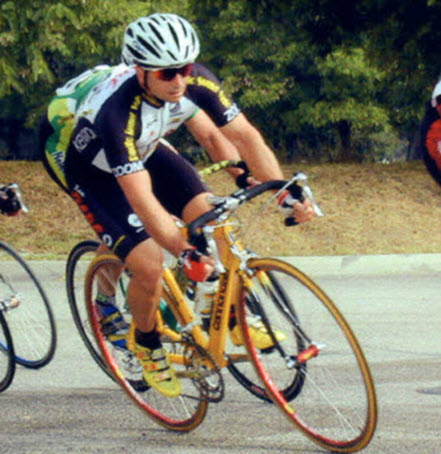
James Hickman is a former USA Cycling Expert-level coach who has worked with cyclists at every level, from beginners to competitive racers. He served as a coach for the Leukemia & Lymphoma Society’s Team In Training program, helping riders prepare for and complete century events. A Masters-category racer himself, he competed and earned podium finishes in Southern California events and holds a Platinum finish at El Tour de Tucson, completing the 100 miles+ in under five hours.
Sponsored · Competitive Cyclist
MAINTENANCE GEAR
Products to Keep Your Bike Running Perfect:
Finish Line Dry Bike Lubricant**
[Check Price on Amazon →]
Park Tool CC-3.2 Chain Checker**
[Check Price on Amazon →]
Vibrelli Bike Pump with Gauge**
[Check Price on Amazon →]
We are an Amazon affiliate and earn from qualified Amazon purchases with no cost to you. This is for ANY product that you purchase through our links. We are also an affiliate for Competitive Cyclist and JensonUSA. This way we can provide you with competitive pricing and products.