

Contents
- 1 5 Best Foods to Eat During Cycling Rides
5 Best Foods to Eat During Cycling Rides
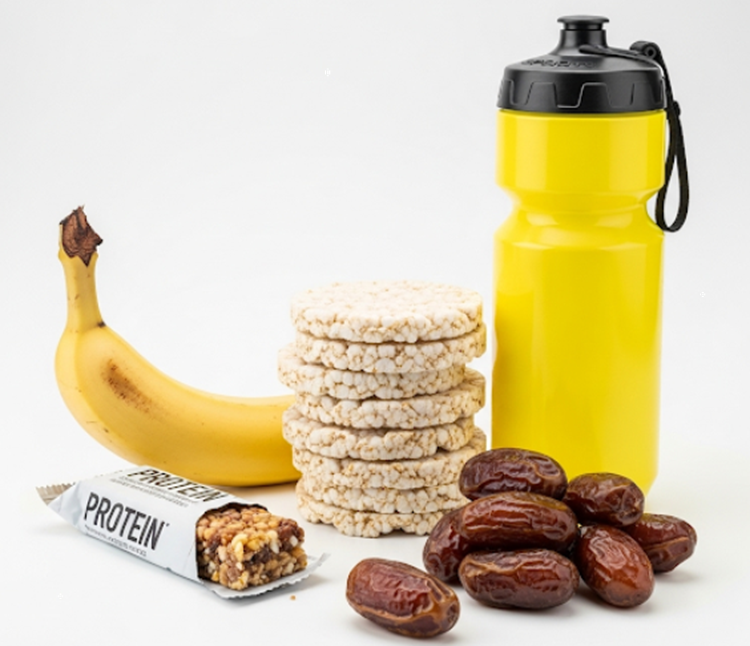
Proper nutrition as to what foods to eat during cycling rides can make the difference between a strong finish and bonking halfway through. Your body burns through carbohydrates rapidly during exercise, requiring strategic fueling to maintain energy levels and performance. Research shows that consuming 30-60 grams of carbohydrates per hour is optimal for rides lasting 1-3 hours, increasing to 60-90 grams per hour for longer endurance rides.
The key is choosing foods to eat that are easily digestible, portable, and provide sustained energy without causing gastrointestinal distress. Here are the five best foods to eat during cycling rides, backed by science and proven by cyclists worldwide.
1. Bananas – Nature’s Perfect Cycling Fuel
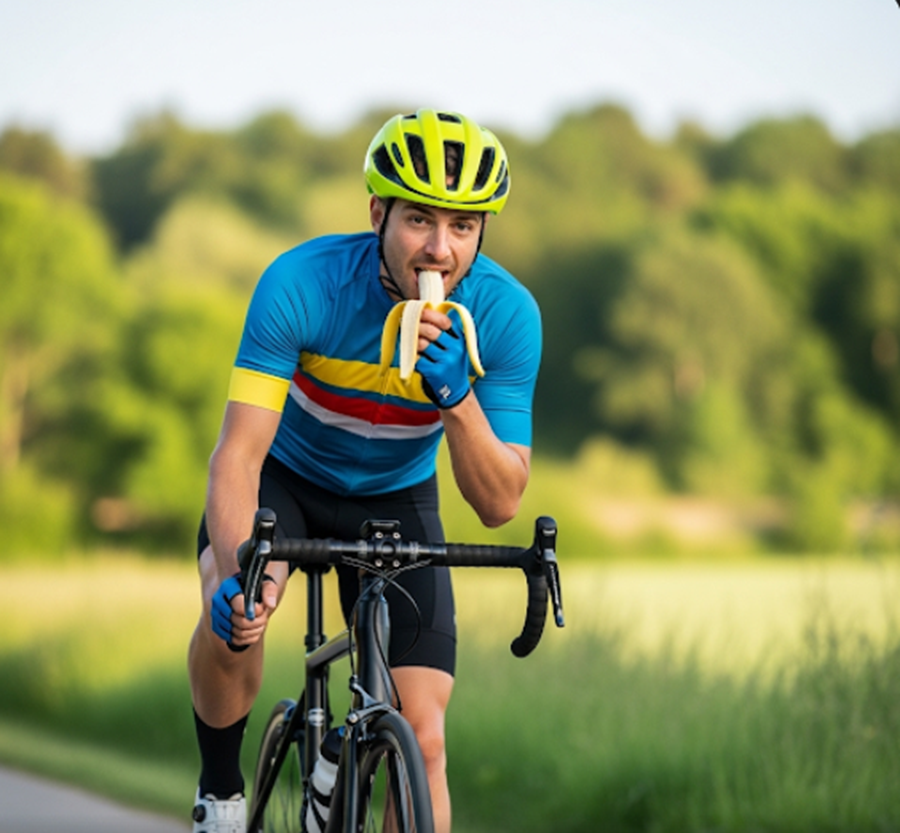
Bananas consistently rank as the top choice among cyclists for good reason. Each medium banana contains 25-30 grams of carbohydrates and provides approximately 400mg of potassium, making them ideal for replacing electrolytes lost through sweat. The natural sugars in bananas – glucose, fructose, and sucrose – are readily absorbed by the body for immediate energy.
What makes bananas particularly valuable is their variable glycemic index based on ripeness. Green bananas have a lower GI and provide more sustained energy, while ripe bananas offer quicker energy release. This versatility allows cyclists to choose the right banana ripeness based on their energy needs during different parts of their ride.
Bananas also come in their own biodegradable packaging, making them environmentally friendly and easy to carry in jersey pockets. Their soft texture makes them easy to eat while cycling, and they provide fiber to help moderate blood sugar levels.
2. Energy Bars – Concentrated Performance Fuel
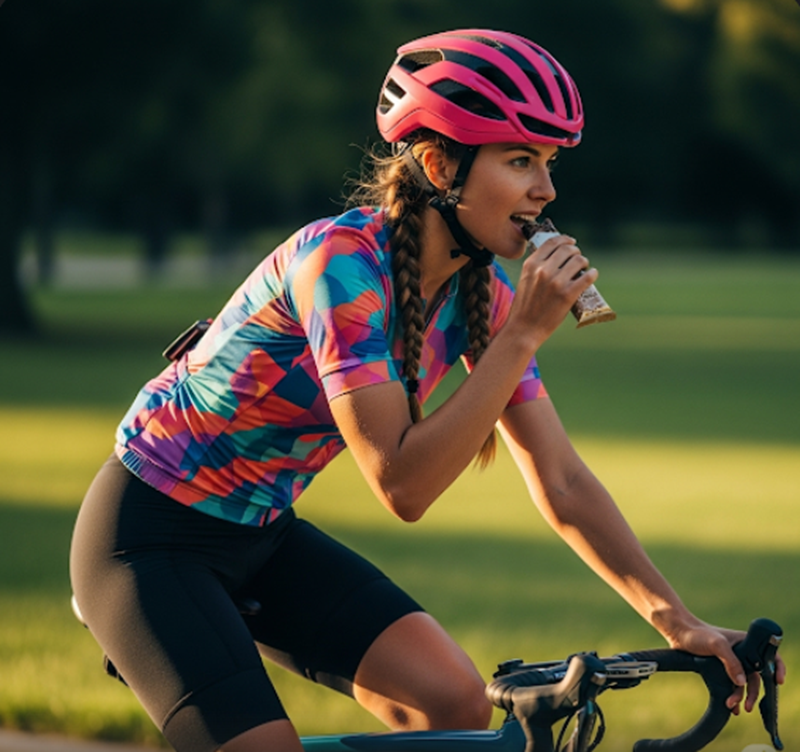
Energy bars offer the advantage of precise carbohydrate measurement and concentrated energy in a small package. A typical energy bar contains 200-250 calories with 30-40 grams of carbohydrates, making it easy to calculate your hourly intake. Modern energy bars are formulated with a blend of different carbohydrates that are absorbed at different rates, providing both immediate and sustained energy.
The protein content in energy bars, typically 4-8 grams, aids in carbohydrate absorption and muscle support during longer rides. Many bars also contain essential vitamins and minerals that support performance and recovery. The variety of flavors available helps prevent palate fatigue during long rides, a common issue with single-food fueling strategies.
Energy bars are particularly useful for their convenience and shelf stability. They can be carried easily in jersey pockets or bike bags and don’t require refrigeration. For cyclists who prefer whole foods to eat, homemade energy bars using dates, oats, nuts, and natural sweeteners provide a healthier alternative while maintaining the performance benefits.
3. Dates – Natural Energy Powerhouses
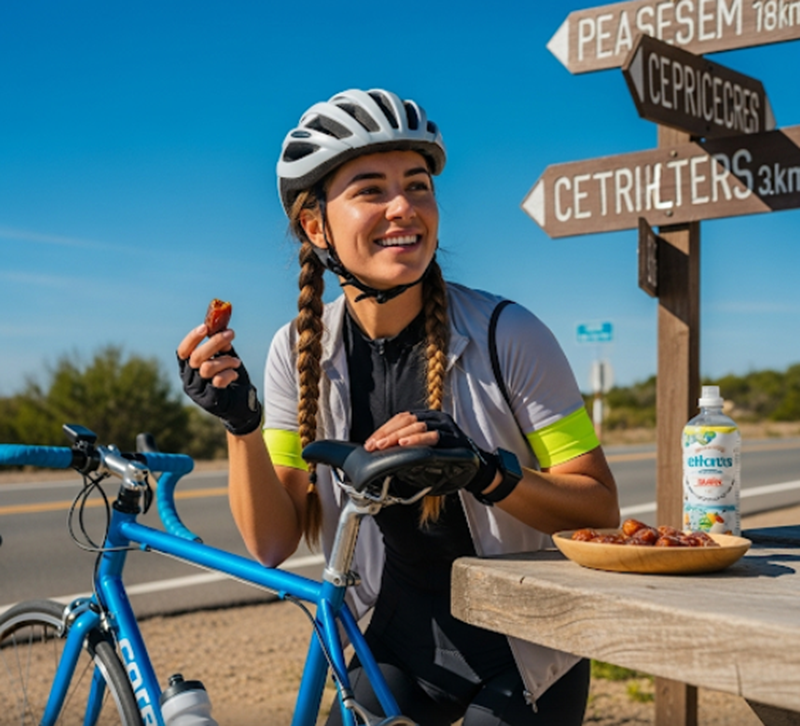
Dates are exceptional natural alternatives to commercial energy products. They consist of approximately 70% carbohydrates, primarily from natural sugars including glucose, fructose, and sucrose. Five dates provide roughly the same carbohydrate content as a standard energy gel – about 25 grams.
What sets dates apart is their natural fiber content and slower digestion compared to processed gels, providing more sustained energy release. They also contain potassium, magnesium, and other minerals that support muscle function and help prevent cramping. The natural sweetness of dates makes them particularly appealing during long rides when artificial flavors can become unpalatable.
Dates are cost-effective, with cyclists able to purchase large quantities at a fraction of the cost of commercial energy products. However, their fiber content means some cyclists should start with smaller amounts to assess tolerance, as too much fiber can cause digestive issues during exercise.
4. Rice Cakes – The Professional’s Choice
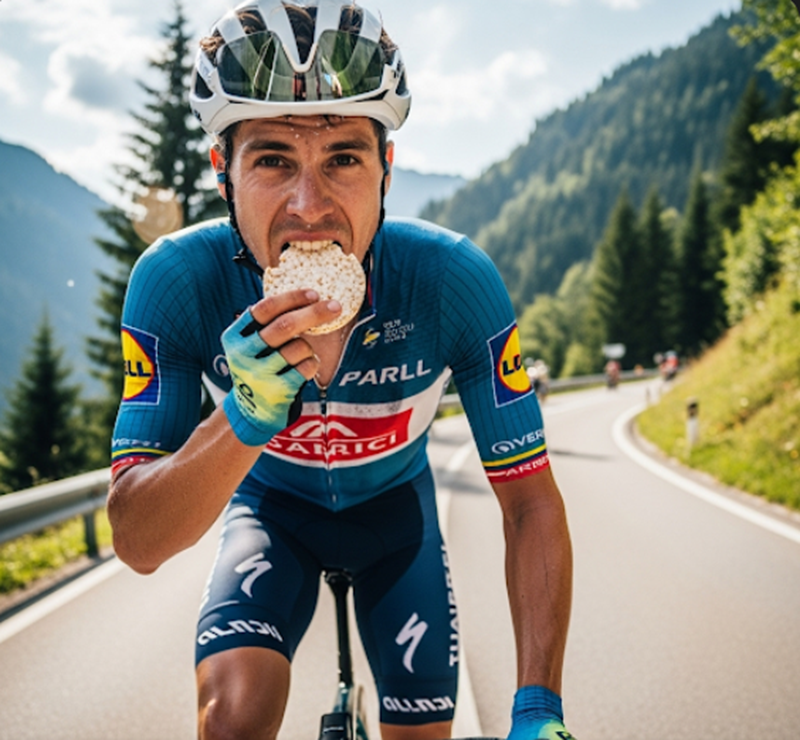
Rice cakes have become a staple among professional cycling teams for their unique combination of digestibility and sustained energy. Made from cooked rice combined with various ingredients, these homemade treats provide easily digestible carbohydrates that are gentle on the stomach during intense exercise.
Customized Rise Cakes!
Professional teams often customize rice cakes with ingredients like cream cheese, jam, bacon, or chocolate to create both sweet and savory options. This variety helps combat flavor fatigue during ultra-endurance events. Each rice cake typically provides 15-25 grams of carbohydrates, making it easy to control intake throughout a ride.
The sticky texture of rice cakes makes them easy to eat on the bike, and they can be wrapped in foil for convenient transport. Research shows that rice-based foods are absorbed quickly by the digestive system, making the carbohydrates rapidly available for muscle fuel. Many cyclists make large batches and freeze them for convenience, defrosting only what they need for upcoming rides.
5. Sports Drinks – Dual-Purpose Hydration and Fuel
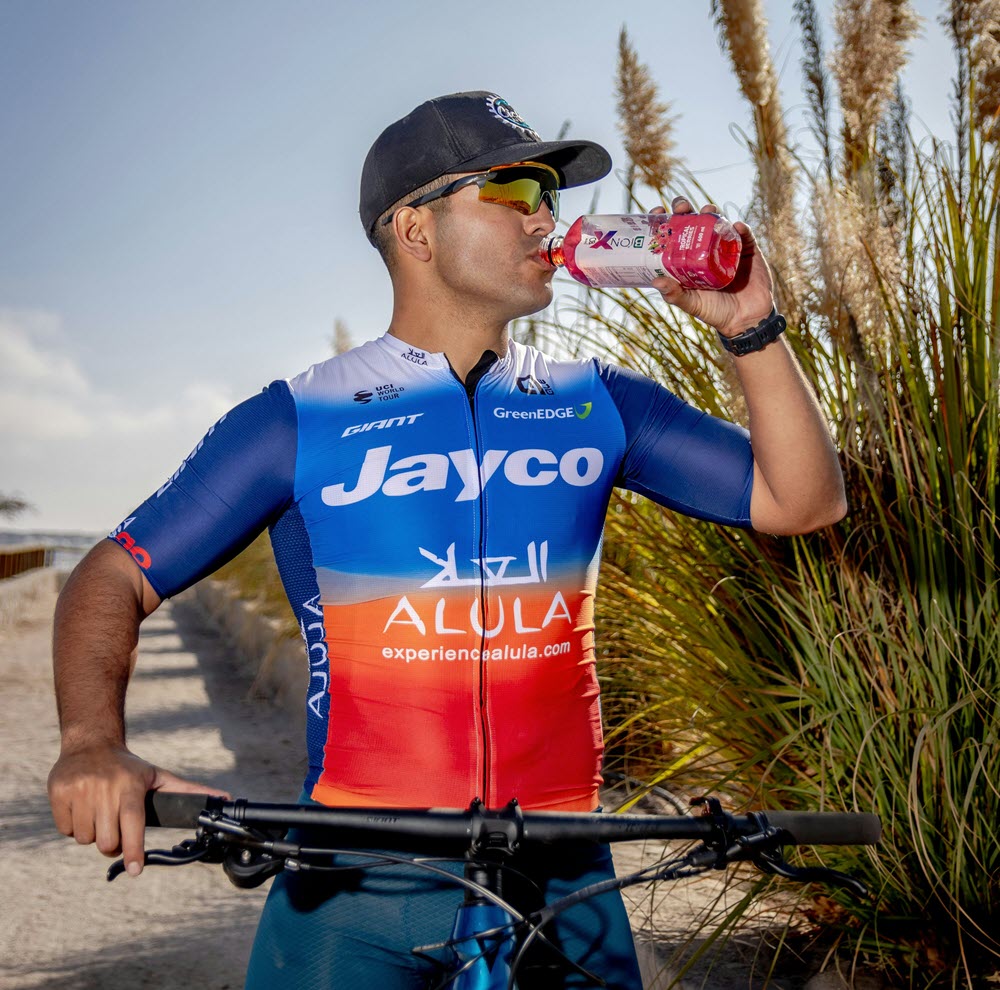
Sports drinks serve the dual purpose of hydration and carbohydrate delivery, making them essential for longer rides. A properly formulated sports drink contains 30-60 grams of carbohydrates per hour’s consumption, along with electrolytes to replace minerals lost through sweat.
The liquid form allows for faster absorption compared to solid foods, making sports drinks ideal for high-intensity efforts or when solid foods to eat become difficult to consume. The combination of glucose and fructose in many sports drinks can increase carbohydrate oxidation rates compared to single-carbohydrate sources.
Modern sports drinks are formulated with optimal sodium content to enhance fluid absorption in the intestine. This helps prevent dehydration while simultaneously delivering fuel to working muscles. For cyclists who prefer natural options, homemade sports drinks using honey, lemon juice, and sea salt provide similar benefits without artificial additives.
Timing Your Nutrition Strategy
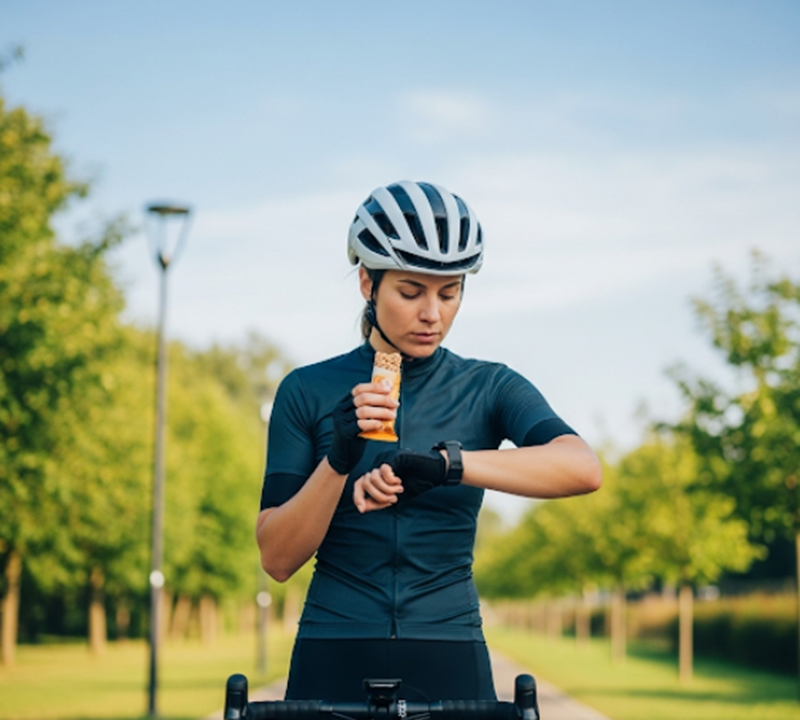
Successful cycling nutrition requires more than just choosing the right foods to eat – timing is crucial. Begin consuming carbohydrates within the first hour of riding, then continue eating every 20-30 minutes to maintain steady energy levels. Don’t forget to drink every 10 minutes! This proactive approach prevents the energy deficit that leads to bonking.
Cycling Nutrition Timing: How Much to Eat by Ride Duration
For rides under 60 minutes, water and perhaps a banana are typically sufficient. Medium-duration rides of 1-3 hours require 30-60 grams of carbohydrates per hour, while rides exceeding 3 hours demand 60-90 grams per hour. The key is starting your fueling strategy early and maintaining consistency throughout the ride.
Testing your nutrition strategy during training rides is essential before implementing it during important events. What works for one cyclist may not work for another, so experimentation is key to finding your optimal combination of foods to eat during cycling.
The combination of these five foods provides cyclists with reliable, science-backed options for maintaining energy during rides of any duration. By incorporating bananas, energy bars, dates, rice cakes, and sports drinks into your cycling nutrition strategy, you’ll be well-equipped to fuel your best performances on the bike.
 |  |
We are an Amazon affiliate and earn from qualified Amazon purchases with no cost to you. This is for ANY product that you purchase through our links.
If you enjoyed learning about this week’s featured bicycle, don’t miss out on more classic bike goodness! Visit our website at classicjapanesebicycles.com for an extensive collection of timeless Japanese bikes and their unique stories. Plus, check out our YouTube channel, Bicycle Restoration Man, for detailed restoration videos and showcases of our finished projects. Subscribe and join our community of bike enthusiasts!