
Contents
- 1 7 Essential Tips for Safe Cycling in Traffic
- 1.1 Perfect Your Road Positioning for Maximum Safety
- 1.2 Boost Your Visibility with Proper Lighting and Gear
- 1.3 Communicate Effectively with Other Road Users
- 1.4 Navigate Intersections Safely
- 1.5 Develop Defensive Riding Techniques
- 1.6 Understanding Cyclist Rights and Traffic Laws
- 1.7 Master Emergency Maneuvering Techniques
- 1.8 Conclusion: Your Path to Safer Cycling
7 Essential Tips for Safe Cycling in Traffic
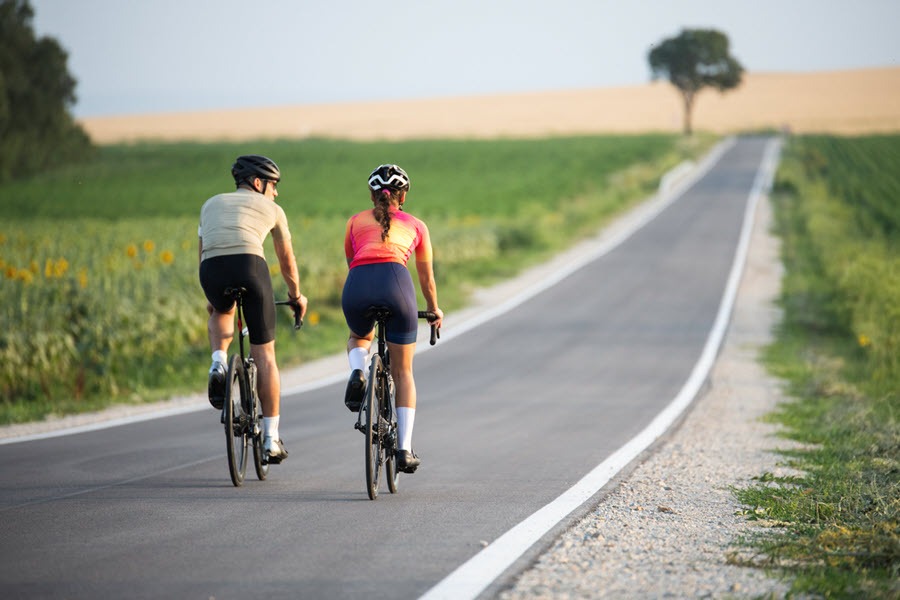

Safe cycling is a critical concern for cyclists worldwide, with recent statistics showing that bicycle fatalities have increased by 42.7% since 2010. Whether you’re a daily commuter or weekend warrior, understanding how to navigate traffic safely can mean the difference between a close call and a catastrophic accident. This comprehensive guide will equip you with seven essential tips to confidently share the road with motorists and arrive at your destination safely.
Perfect Your Road Positioning for Maximum Safety
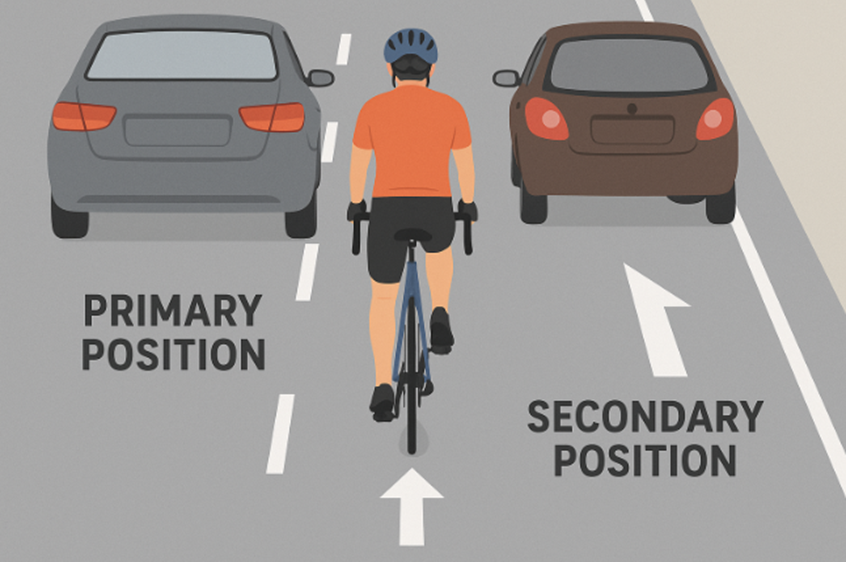
Proper road positioning forms the foundation of safe cycling in traffic. Understanding where to position yourself on the road dramatically reduces your risk of collisions and helps establish clear communication with drivers.
Primary vs. Secondary Position
The primary position involves riding approximately one-third into the lane from the left edge, effectively occupying the center of the traffic lane. This position is crucial when passing parked cars, navigating narrow roads, or approaching intersections where you need maximum visibility. The secondary position places you about one meter from the road’s edge, suitable for wide roads with light traffic where vehicles can pass safely.
When to Take the Lane
Taking the full lane becomes necessary in several situations. When roads are too narrow for safe passing, when approaching intersections, or when avoiding the door zone of parked vehicles, positioning yourself in the center of the lane forces drivers to treat you as they would any other vehicle. This prevents dangerous close passes and establishes your legitimate right to road space.
Door Zone Avoidance
The door zone represents a critical safety hazard for urban cyclists. This 4-foot area alongside parked cars poses a significant risk, with dooring incidents accounting for up to 31% of all bicycle crashes. Always maintain at least 4 feet of clearance from parked vehicles, even if this means riding outside designated bike lanes. The California Vehicle Code specifically allows cyclists to leave bike lanes to avoid hazardous conditions, including door zones.
Speed-Based Positioning
Your position should adapt to your speed relative to traffic flow. When maintaining traffic speed, you can confidently occupy the full lane. However, when traveling slower than traffic, position yourself in the right third of the lane while maintaining safe clearance from hazards. This positioning balances visibility with practical traffic flow considerations for safe cycling.
Boost Your Visibility with Proper Lighting and Gear
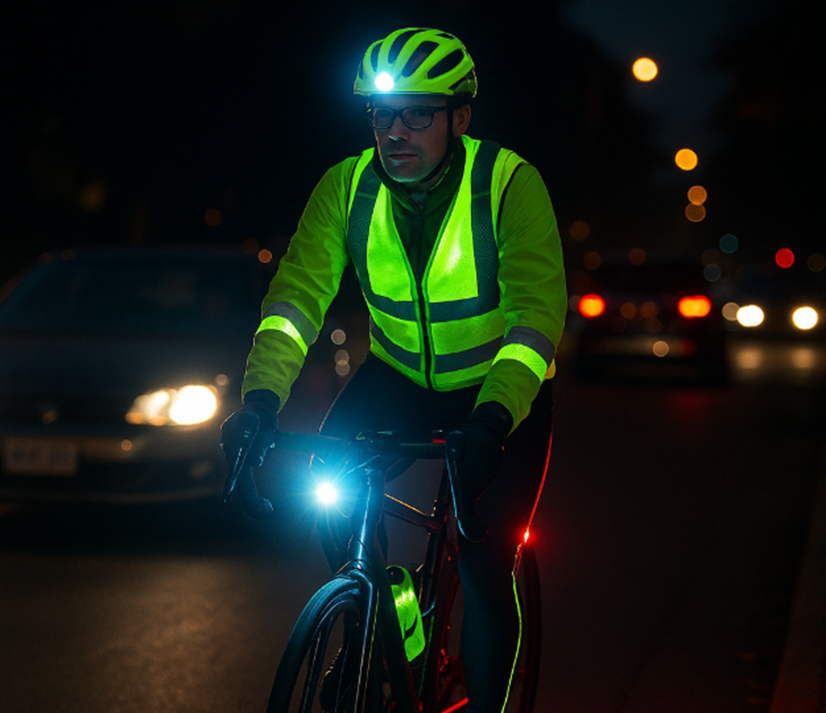
Visibility remains the single most effective factor in preventing cycling accidents. With 51% of bicycle fatalities occurring at night or in low-light conditions, proper lighting and reflective gear can literally save your life.
Lighting Requirements for Different Conditions
For urban cycling in well-lit areas, front lights should provide 200-500 lumens, while rear lights need 50-200 lumens in flashing mode. Rural and poorly lit roads require more powerful illumination, with front lights needing 500-1000 lumens and rear lights maintaining 200+ lumens. Off-road and mountain biking demand even higher outputs, typically requiring 1000+ lumens for safe navigation.
Daytime Running Lights
Daytime running lights represent a game-changing safety innovation. Research demonstrates that flashing rear lights visible during daylight hours significantly increase driver awareness and respect. These specialized lights use specific flash patterns, focused optics, and extended range to penetrate daylight conditions, making them visible from up to 2 kilometers away.
Reflective Gear Strategy
Reflective materials offer superior visibility compared to fluorescent colors, especially in low-light conditions. Reflective clothing can provide up to 350 lumens of reflectivity when illuminated by headlights. Strategic placement of reflective elements on moving parts like ankles and knees proves particularly effective, as the pedaling motion captures driver attention more readily than static reflective surfaces.
Light Positioning and Mounting
Proper light positioning maximizes effectiveness while minimizing battery drain. Front lights should mount at handlebar height with slight downward angle to illuminate the road without blinding oncoming traffic. Rear lights perform best when mounted at seat post height, ensuring visibility over vehicle roofs while remaining below driver eye level.
Communicate Effectively with Other Road Users
Clear communication bridges the gap between cyclists and motorists, preventing misunderstandings that can lead to dangerous situations. Mastering both hand signals and behavioral communication creates predictable, safer interactions essential for safe cycling.
Hand Signals Execution
Proper hand signal technique requires timing, clarity, and consistency. Signal left turns by extending your left arm fully to the side, maintaining the position for approximately 3 seconds about 100 feet before turning. Right turns can be signaled either by extending your right arm to the side or using the traditional left arm bent upward at 90 degrees. The stopping signal involves extending your left arm downward at a 90-degree angle, alerting following traffic to your deceleration.
Eye Contact and Positioning
Eye contact serves as a powerful communication tool when safely achievable. Making visual connection with drivers at intersections or during lane changes confirms mutual awareness and reduces uncertainty. However, never assume eye contact guarantees yielding behavior—always maintain defensive positioning and escape routes.
Predictable Behavior Patterns
Consistent, predictable behavior helps drivers anticipate your movements. Maintain straight-line travel, avoid sudden swerving between parked cars, and signal lane changes early. This predictability allows drivers to plan their actions around your movements, reducing the likelihood of miscommunication-related accidents.
Mirror Usage for Communication
Mirrors enable continuous awareness of following traffic while maintaining forward focus. This awareness allows you to time signals appropriately and identify safe opportunities for lane changes or turns. Regular mirror checks also demonstrate to drivers that you’re actively monitoring traffic conditions, increasing their confidence in your road awareness.
Intersections present the highest risk environment for cyclists, accounting for 34% of bicycle fatalities. Strategic positioning and heightened awareness at these critical junctions can prevent many common accident scenarios and are fundamental to safe cycling.
Intersection Positioning Strategy
As you approach intersections, move toward the center-left portion of your lane to increase visibility and establish clear intent. This positioning prevents right-turning vehicles from squeezing past and reduces the risk of right-hook collisions. At stop signs and red lights, position yourself where the first vehicle’s driver can clearly see you in their mirrors.
Right Hook Prevention
Right-hook collisions occur when vehicles turn right across a cyclist’s path. Prevention requires strategic positioning and timing. Never position yourself to the right of a right-turning vehicle, especially in dedicated right-turn lanes. Instead, either wait behind the vehicle or position yourself prominently in the driver’s field of vision before the intersection to ensure safe cycling practices.
Left Turn Techniques
Left turns present unique challenges requiring careful technique selection. For experienced cyclists on lower-traffic roads, vehicle-style left turns involve signaling early, moving to the left portion of the lane, and yielding to oncoming traffic. Two-stage turns offer a safer alternative: proceed straight through the intersection, then position yourself to cross in the desired direction with the next signal phase.
Intersection Scanning Techniques
Effective intersection scanning involves dividing your attention systematically. Scan left for oncoming traffic, right for turning vehicles, and straight ahead for pedestrians or obstacles. This scanning pattern should begin well before reaching the intersection, allowing time to process information and adjust positioning accordingly.
Develop Defensive Riding Techniques
Defensive cycling emphasizes proactive hazard recognition and response preparation. These skills become essential as traffic complexity increases and margins for error decrease in safe cycling practices.
Situational Awareness Development
Maintaining 360-degree awareness requires constant vigilance and systematic observation. Scan not just the immediate area but also distant traffic patterns, looking for potential conflicts 10-15 seconds ahead. This expanded awareness envelope provides crucial reaction time for complex traffic situations.
Predictive Riding Skills
Anticipating driver behavior involves recognizing common patterns and danger signals. Drivers preparing to turn often slow down, position themselves differently, or exhibit other behavioral cues before signaling. Learning to read these pre-signal behaviors allows you to position defensively before conflicts develop.
Safe Following Distance
Maintaining appropriate following distance from vehicles provides reaction time and escape options. A minimum 3-second following distance allows for emergency braking, while increased distances become necessary in adverse conditions or when visibility is compromised. This space also provides maneuvering room for avoiding road hazards while maintaining safe cycling practices.
Weather and Condition Adaptations
Different weather conditions require specific defensive adjustments. Rain reduces tire traction and increases stopping distances, necessitating reduced speeds and increased following distances. Wind can affect bike handling and requires attention to road positioning, especially when passing large vehicles that can create sudden wind shifts.
Understanding Cyclist Rights and Traffic Laws
Legal knowledge empowers cyclists to assert their rights while fulfilling their responsibilities. Understanding both privileges and obligations creates a foundation for confident, lawful cycling.
Same Rights as Vehicles
For instance, in California, the law treats bicycles as vehicles, granting cyclists the same road rights as motorists while requiring compliance with identical traffic laws. This legal framework means cyclists can occupy full lanes when necessary and must yield appropriately at intersections and when changing lanes.
Right-of-Way Situations
Cyclists have right-of-way when traveling straight through intersections while vehicles turn across their path. The Three Feet for Safety law requires motorists to provide minimum 3-foot clearance when passing cyclists. However, right-of-way doesn’t guarantee safety—defensive positioning remains essential regardless of legal priority in safe cycling.
Bike Lane Regulations
Bike lanes provide dedicated space but don’t eliminate the need for defensive cycling. Motorists must yield to cyclists in bike lanes, particularly when crossing or entering these spaces. However, cyclists can legally leave bike lanes to avoid hazards, including door zones and debris.
Traffic Law Compliance
Cyclists must obey all traffic control devices, including stop signs, traffic lights, and yield signs. This compliance includes proper signaling, yielding to pedestrians, and following speed positioning principles that place slower traffic toward the right side of roadways.
Master Emergency Maneuvering Techniques
Emergency maneuvers provide last-resort options when standard defensive techniques aren’t sufficient. These skills require practice to execute effectively under pressure and are crucial components of safe cycling.
Quick Stop Technique
The emergency stop involves weight transfer and differential braking to achieve maximum stopping power. As you apply brakes, shift your weight as far back as possible while applying more pressure to the front brake than the rear. This technique prevents the common error of rear-brake-only stopping, which dramatically increases stopping distance.
Emergency Swerving and Turning
The quick turn maneuver enables rapid direction changes to avoid obstacles or vehicles. This counterintuitive technique begins by turning the handlebars briefly in the opposite direction of your intended turn, causing the bike to lean toward your target direction. Immediately turn the handlebars into the lean to complete the maneuver.
Rock Dodge Technique
The rock dodge allows navigation around small obstacles without losing momentum or control. Approach the obstacle directly, then make a quick steering input to move the front wheel around it while keeping your body centered. The rear wheel naturally follows a different path, allowing obstacle avoidance without significant course deviation while maintaining safe cycling practices.
Practice Requirements
These emergency techniques require regular practice in safe environments to build muscle memory and confidence. Empty parking lots or quiet paths provide ideal practice venues where you can focus on technique without traffic concerns. Regular practice ensures these skills become instinctive responses rather than conscious decisions during emergencies.
Conclusion: Your Path to Safer Cycling
Mastering these seven essential tips creates a comprehensive foundation for safe cycling in traffic. From proper positioning and visibility strategies to emergency maneuvers and legal knowledge, each element contributes to a complete safety approach. The key to success lies in consistent practice and gradual skill development, allowing these techniques to become second nature.
Remember that safe cycling isn’t just about following rules—it’s about developing the judgment and skills to navigate complex traffic situations confidently. Start by focusing on one or two areas, gradually expanding your capabilities as comfort and competence grow. With dedication and practice, you’ll transform from a tentative cyclist into a confident road user who can safely share the road with all types of traffic.
The statistics are clear: cycling is becoming more dangerous, but equipped with these essential skills and knowledge, you can significantly reduce your risk and enjoy safer, more confident rides. Take the time to practice these techniques, and remember that investing in your safety skills today pays dividends in protection for years to come through consistent safe cycling practices.
 |  |
We are an Amazon affiliate and earn from qualified Amazon purchases with no cost to you. This is for ANY product that you purchase through our links.
If you enjoyed learning about this week’s featured bicycle, don’t miss out on more classic bike goodness! Visit our website at classicjapanesebicycles.com for an extensive collection of timeless Japanese bikes and their unique stories. Plus, check out our YouTube channel, Bicycle Restoration Man, for detailed restoration videos and showcases of our finished projects. Subscribe and join our community of bike enthusiasts!