

Contents
Bicycle Safety: How to Ride Without Risk
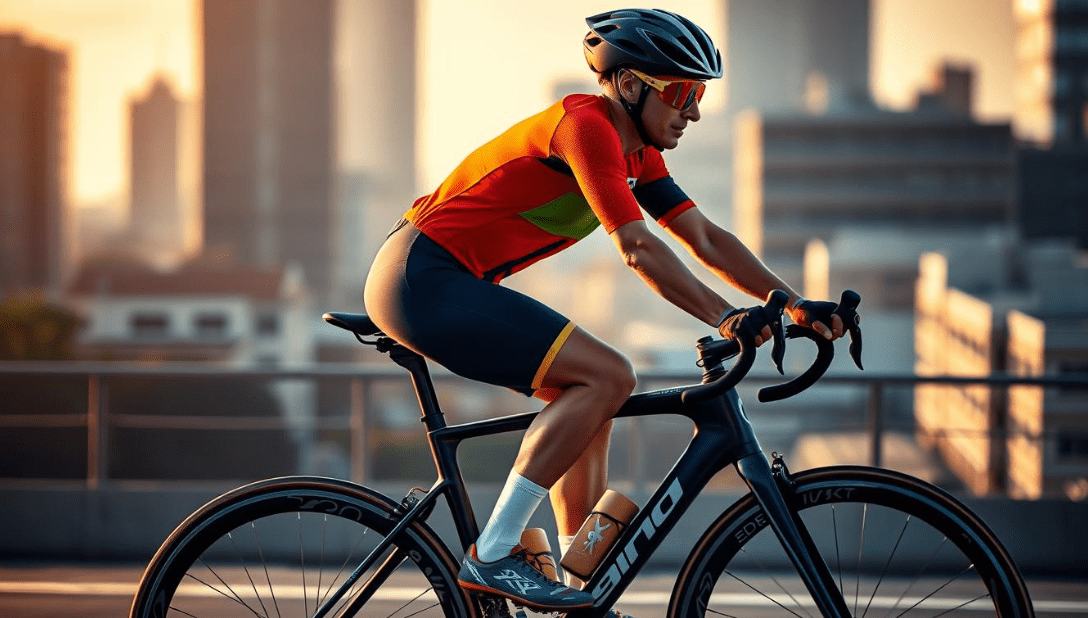
Bicycle safety is paramount: every minute, dozens of cyclists face preventable accidents on roads worldwide. While cycling offers incredible health benefits and environmental advantages, nearly 1,000 cyclists die annually in the United States alone, with over 130,000 sustaining injuries in traffic-related incidents.
The most tragic aspect? Research shows that up to 85% of cycling injuries can be prevented through proper bicycle safety measures, equipment, and techniques. This comprehensive guide addresses the four most critical concerns every cyclist faces, providing evidence-based solutions to keep you safe on every ride.
How to Prevent Common Cycling Injuries

Understanding bicycle safety begins with recognizing that 50% of all cycling accidents are falls, while only 10-20% involve vehicle collisions. The most frequent bike accidents include back pain, knee problems, and overuse injuries,which primarily result from poor bike fitting, improper posture, and inadequate training progression.
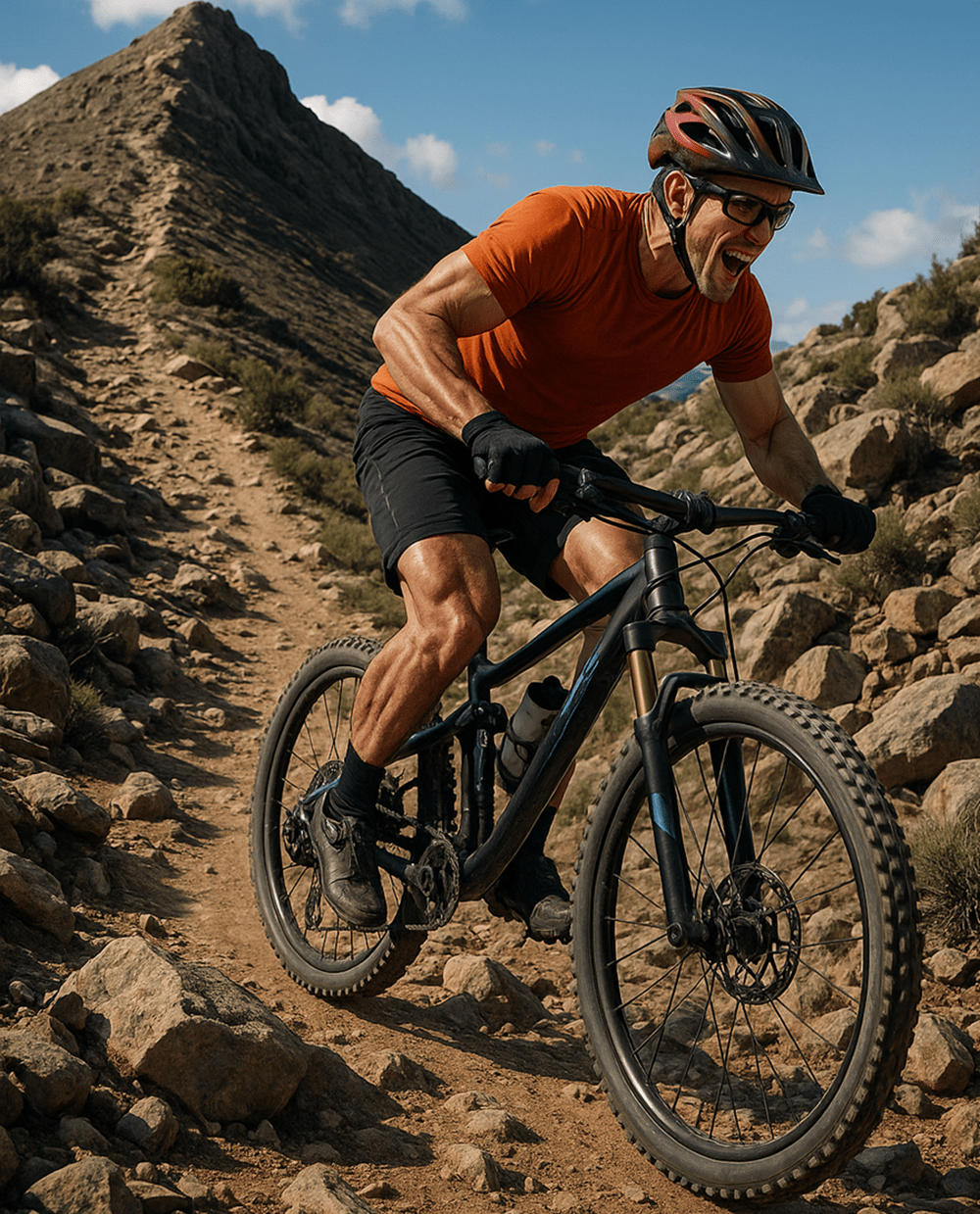
Head injuries represent the most serious threat in bicycle safety statistics, accounting for the majority of fatal cycling accidents. However, research demonstrates that properly fitted bike helmets reduce head injuries by 60%, brain injuries by 58%, and fatal injuries by 73%. Beyond head trauma, cyclists commonly experience overuse injuries from repetitive motion, particularly affecting the back, knees, and neck, along with acute injuries from falls, including shoulder dislocations and collarbone fractures.

Proper bike fitting serves as your primary defense against overuse injuries and improves overall bicycle safety. An incorrectly fitted bicycle forces your body into unnatural positions, creating excessive strain on joints and muscles. Key fitting considerations include seat height that allows slight knee bend at full pedal extension, handlebar positioning for comfortable reach, and proper frame size for your body proportions.
Progressive training approaches significantly reduce injury risk and enhance cycling safety. Avoid sudden increases in training intensity or duration, as thigh muscle overuse injuries increase when transitioning between low and high-intensity training periods. Incorporate strength and flexibility exercises targeting cycling-specific muscle groups to build resilience against repetitive strain.
Staying Visible and Safe on Roads
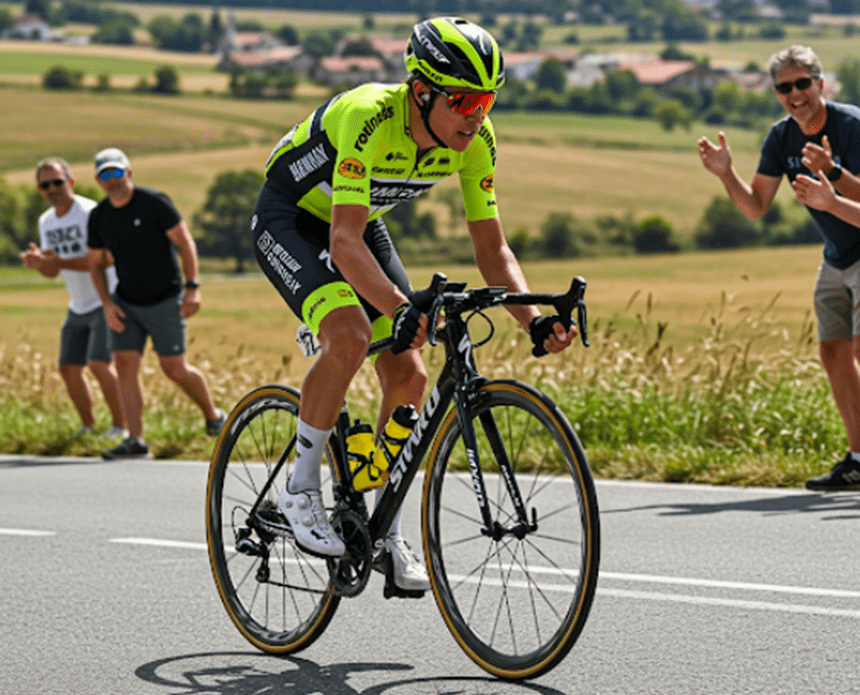
Road visibility represents a critical bicycle safety factor, with 78.8% of fatal collisions involving vulnerable road users occurring during low-light conditions. When atmospheric conditions further degrade visibility through rain or fog, this percentage rises to 92.3%. The primary challenge lies in the fact that motorists commonly report not seeing cyclists until collision was unavoidable.
Reflective technology provides the most effective visibility enhancement for bicycle safety. When light strikes reflective surfaces, it bounces directly back to the source, making cyclists visible from significant distances. Research conducted in controlled driving environments reveals dramatic differences in driver recognition rates: black clothing achieves only 2% recognition rate, fluorescent vests reach 15% recognition rate, reflective vests achieve 50% recognition rate, while reflective vests plus ankle/knee reflectors reach 90% recognition rate.
Dynamic reflective elements prove most effective for cyclist recognition and bicycle safety enhancement. Reflective strips on moving parts like legs, pedals, and wheels create eye-catching patterns that help drivers gauge cyclist speed and trajectory. This moving reflection pattern can be visible from 600 to 2,200 feet away.
Strategic lighting systems require careful implementation to maximize bicycle safety. Use bright LED headlights and flashing rear lights, with modern systems providing hours of battery life. Position lights to maximize visibility angles, and consider additional wheel lights or spoke reflectors for 360-degree visibility. Front lights should be white, rear lights red, as legally required in most jurisdictions.
Essential Protective Gear Every Cyclist Needs
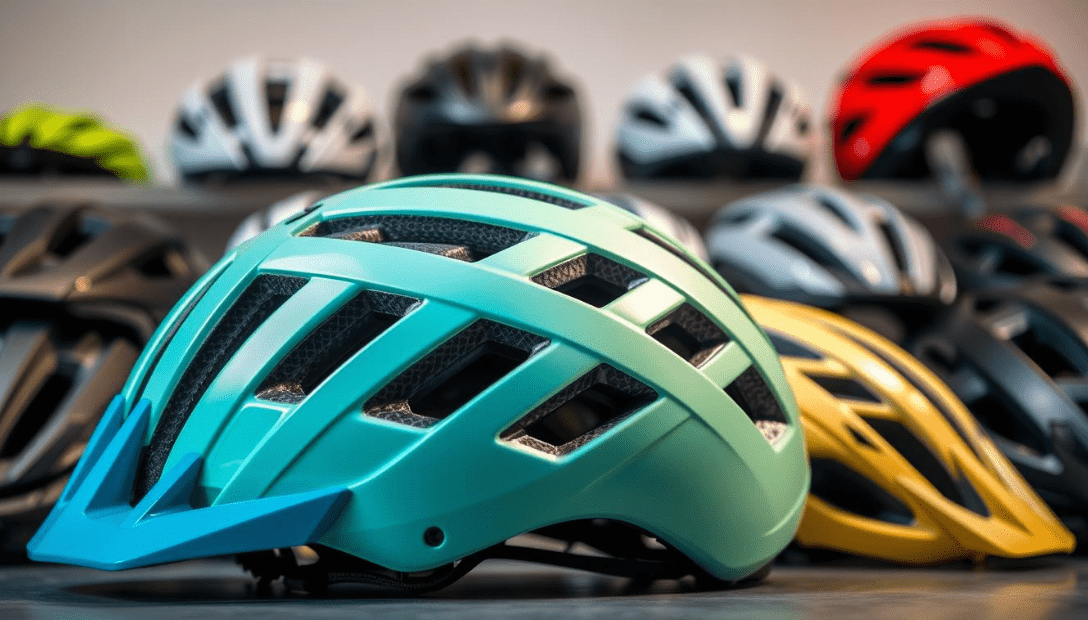
Selecting appropriate protective equipment requires understanding both the hierarchy of protection needs and the specific risks each piece of equipment addresses in bicycle safety. While comprehensive protection involves multiple components, certain items provide disproportionate safety benefits relative to their cost and convenience.
Modern helmet technology offers sophisticated protection systems beyond basic impact absorption, crucial for bicycle safety. Advanced features include MIPS (Multi-directional Impact Protection System), Fluid Inside, SPIN, and Turbine technologies, which address rotational forces that can cause traumatic brain injuries. These systems add minimal weight while significantly enhancing protection during angled impacts.
Proper helmet fitting proves critical for effectiveness in bicycle safety applications. A correctly fitted helmet should sit level on your head, covering your forehead, with straps forming a V-shape around your ears. The helmet should feel snug without pressure points, and the chin strap should allow only one finger width between strap and chin. Replace helmets immediately after any impact, as structural integrity may be compromised even without visible damage. Most important to remember, do not use your helmet straps to hold you sun glasses on!
You are compromising the helmets purpose to protect your head. Those side straps should be against your head and glasses should go over the straps! This is not a fashion issue, it’s a safety issue!
Cycling gloves provide multi-layered protection essential for bicycle safety. They cushion palms against vibration, improve grip in wet conditions, and protect hands during falls when natural reflexes cause cyclists to extend their arms. Choose fingerless gloves for warm weather and full-finger options for cold conditions or mountain biking.
Eye protection serves multiple safety functions in comprehensive bicycle safety programs. Cycling glasses or sunglasses shield eyes from UV radiation, wind, dust, and debris while enhancing vision in varying light conditions. Look for wraparound designs with impact-resistant lenses and anti-fog coatings.
Ensuring Your Bike Handling is Safe Enough
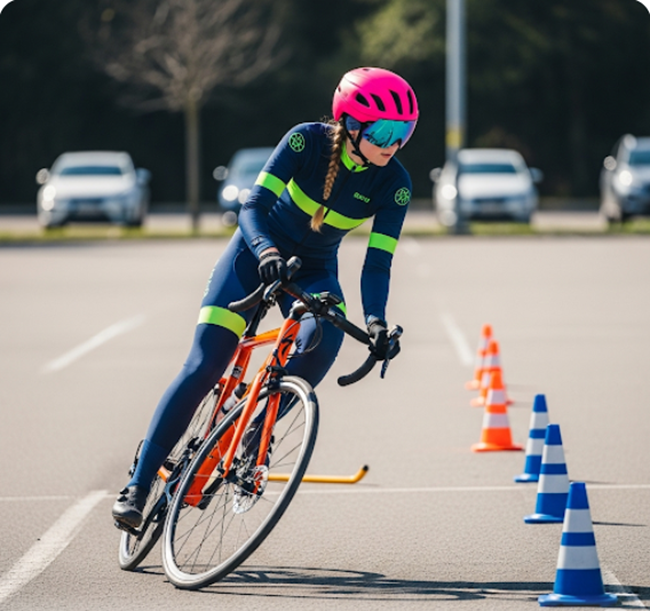
Proper body positioning enhances control and improves bicycle safety during rides. Maintain a relaxed grip on handlebars to allow quick steering adjustments, while keeping your head up to scan for road hazards. Looking ahead rather than at your front wheel provides crucial reaction time for obstacle avoidance.
Emergency maneuvering skills require practice to maintain bicycle safety standards. Set up cone weaving exercises to improve precision and balance while building familiarity with your bike’s handling characteristics. Practice slow-speed riding to enhance stability and control in tight situations. Emergency braking drills should include sliding back on the saddle and lowering your body to transfer weight to the rear wheel, reducing front wheel skid risk.
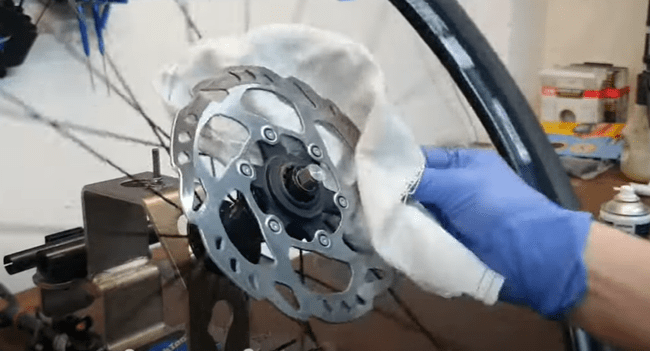
Brake system verification proves critical for bicycle safety protocols. Test both front and rear brakes before each ride, checking for adequate pad thickness, proper lever feel, and effective stopping power. Brake cables should move smoothly without binding or fraying. Emergency stopping technique requires both brakes applied simultaneously while shifting body weight backward to prevent front wheel skidding.
SYSTEMATIC MAINTENANCE
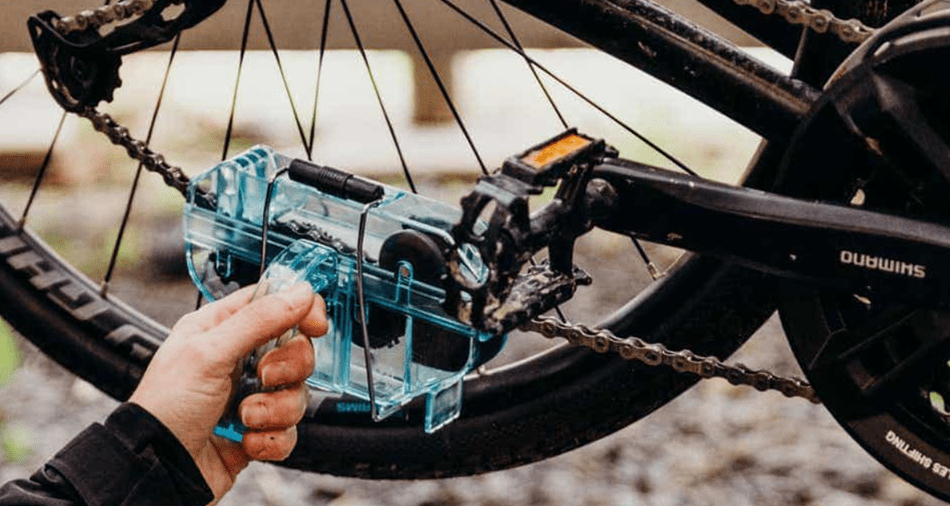
Systematic maintenance schedules prevent dangerous failures and ensure ongoing bicycle safety. Perform daily checks of tire pressure, brakes, and quick-release mechanisms. Weekly maintenance should include chain lubrication and wheel inspection for trueness. Monthly inspections cover comprehensive component checks, including all bolts, cables, and wear items.
Mechanical reliability forms the foundation of bicycle safety, with equipment failures contributing to a significant percentage of bike crashes. Regular maintenance prevents most mechanical issues that could lead to dangerous situations, from brake failure to tire blowouts during high-speed descents.
Systematic pre-ride inspections catch problems before they become dangerous and are essential for bicycle safety. Check tire pressure using a reliable gauge, as properly inflated tires reduce rolling resistance, improve bike handling, and prevent pinch flats. Inspect tires for cuts, embedded debris, or excessive wear that could lead to sudden failure.
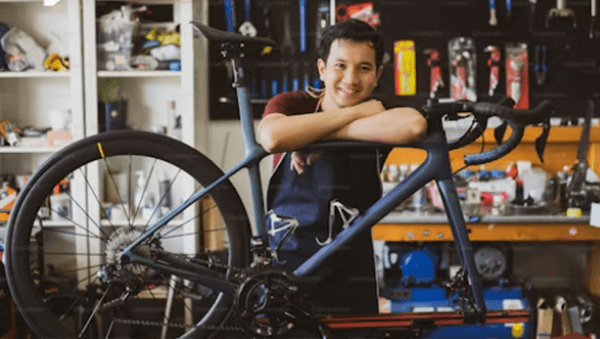
The intersection of proper cycling equipment, bicycle maintenance, and riding technique creates a comprehensive safety foundation that dramatically reduces cycling risks. By addressing each of these four critical areas – injury prevention, visibility enhancement, protective gear selection, and bike handling – cyclists can enjoy their sport with confidence while minimizing exposure to preventable dangers through effective bicycle safety practices.
 |  |
We are an Amazon affiliate and earn from qualified Amazon purchases with no cost to you. This is for ANY product that you purchase through our links.
If you enjoyed learning about this week’s featured bicycle, don’t miss out on more classic bike goodness! Visit our website at classicjapanesebicycles.com for an extensive collection of timeless Japanese bikes and their unique stories. Plus, check out our YouTube channel, Bicycle Restoration Man, for detailed restoration videos and showcases of our finished projects. Subscribe and join our community of bike enthusiasts!