
Contents
- 1 Electric Mountain Bike: Complete Buyer’s Guide
Electric Mountain Bike: Complete Buyer’s Guide
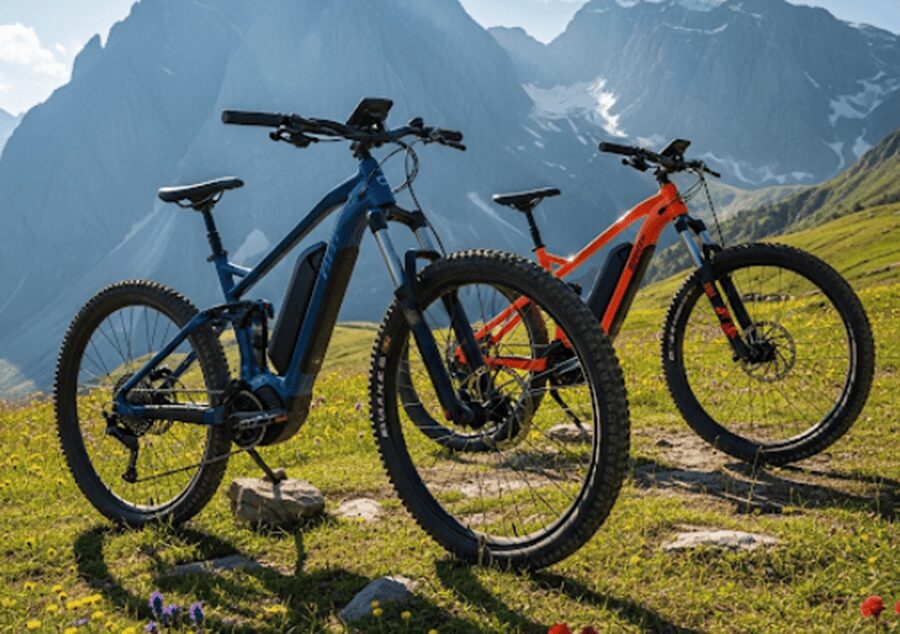
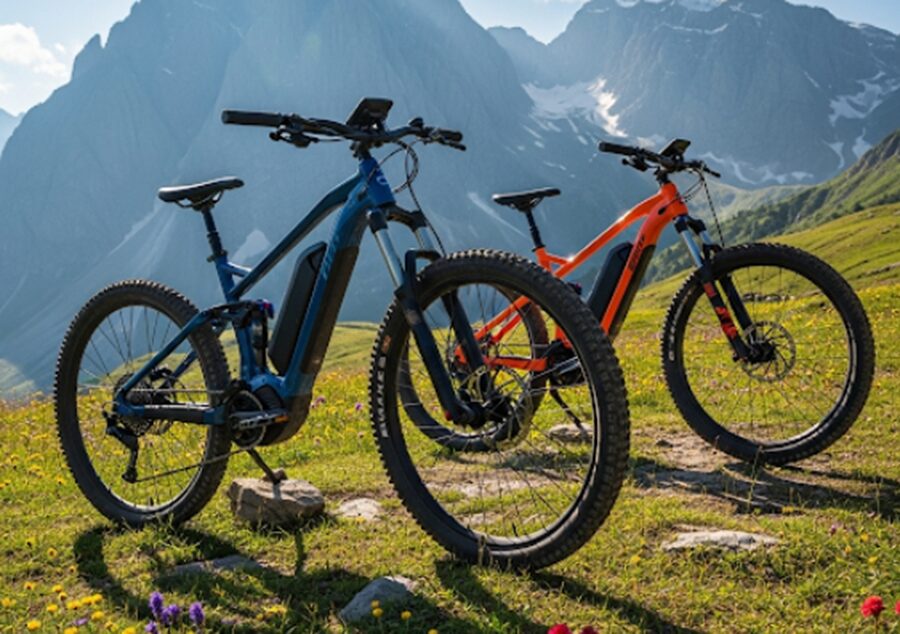
The electric mountain bike market has exploded, transforming how riders approach challenging terrain and extending adventures beyond traditional limitations. With global eMTB sales rising 240% from 2019 to 2021 and the market valued at $32 billion, these pedal-assist machines are reshaping mountain biking culture. Whether you’re a seasoned trail veteran seeking extended range or a newcomer wanting assistance on steep climbs, an electric mountain bike opens new possibilities for off-road exploration.
This comprehensive guide examines everything from motor systems and battery technology to the top models dominating trails worldwide. We’ll explore how these sophisticated machines blend traditional mountain biking with cutting-edge electric assistance, helping you choose the perfect eMTB for your riding style and terrain preferences.
What is an Electric Mountain Bike?
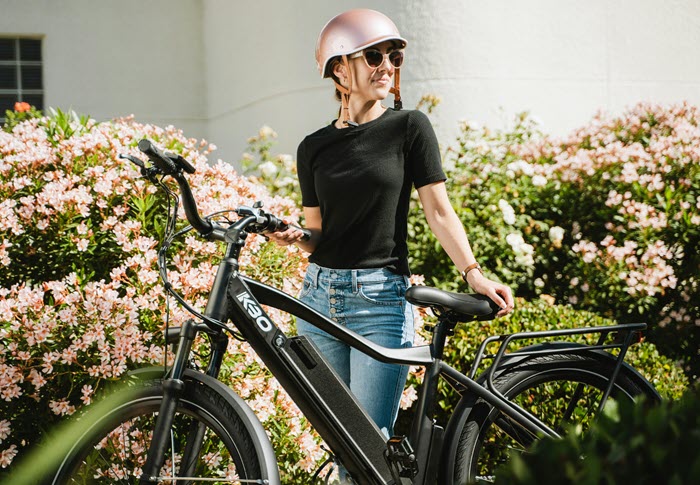
An electric mountain bike combines traditional mountain bike design with an integrated motor system and rechargeable battery to provide pedal assistance during rides. Unlike electric motorcycles, these e-MTBs require rider input through pedaling, with the motor amplifying your efforts rather than replacing them entirely.
The core components include a mid-drive or hub motor, typically producing between 60-85 Newton-meters of torque, paired with a battery system ranging from 400-750 watt-hours of capacity. Most systems use torque sensors that detect pedaling force and adjust assistance accordingly, creating a natural riding experience that responds to terrain demands.
Modern eMTBs feature sophisticated control systems with multiple assistance levels, allowing riders to customize power delivery based on trail conditions and desired workout intensity. The Shimano EP801 and Bosch Performance Line CX represent current benchmark systems, offering refined power delivery and impressive range capabilities.
Weight considerations remain crucial, with most electric mountain bikes weighing between 45-55 pounds compared to 25-35 pounds for traditional mountain bikes. However, lightweight options like the Orbea Rise series have pushed weights down to around 40 pounds while maintaining substantial power output.
The integration of these systems into mountain bike frames requires careful engineering to maintain structural integrity while accommodating the additional components. Premium manufacturers employ carbon fiber construction and strategic component placement to optimize weight distribution and handling characteristics.
Top Electric Mountain Bike Benefits
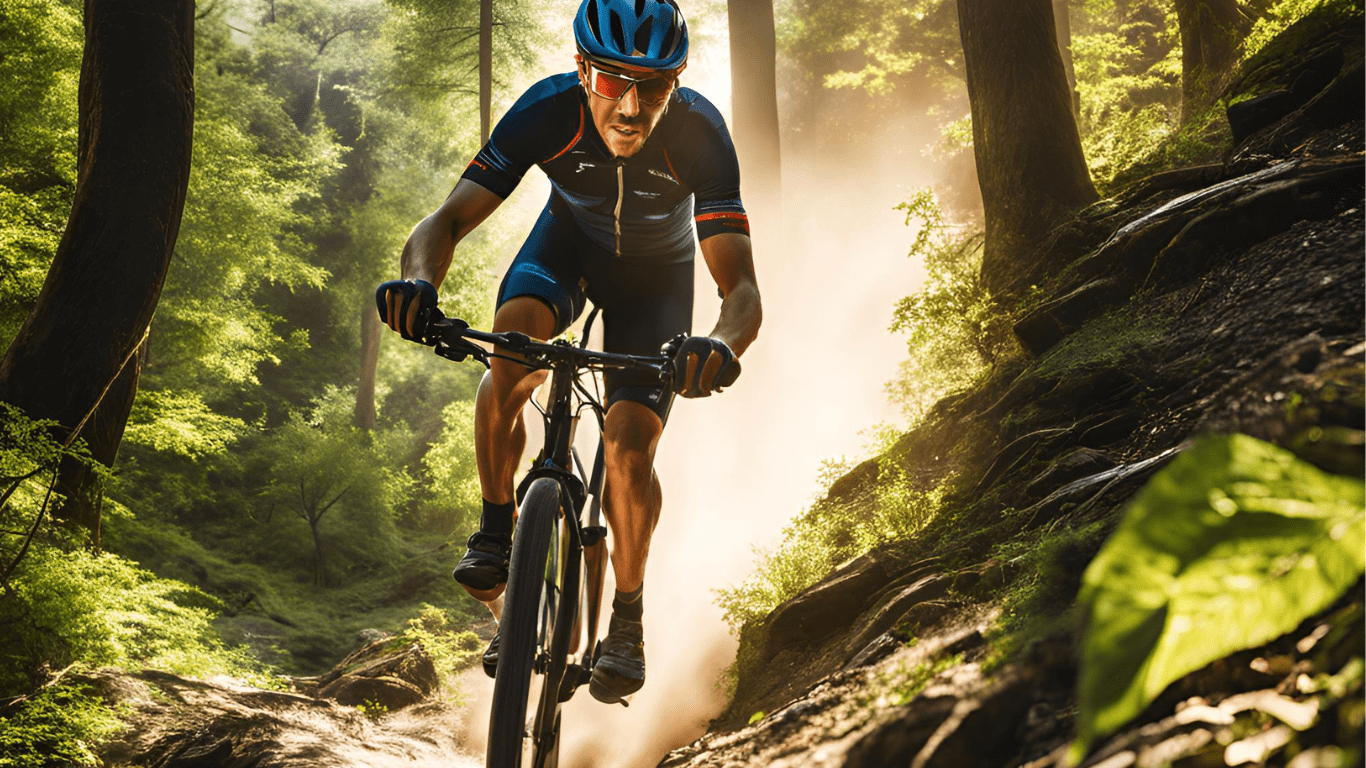
Extended Range and Climbing Capability
Electric mountain bikes revolutionize how riders approach challenging terrain, particularly on sustained climbs where traditional bikes demand significant physical exertion. The motor assistance allows riders to tackle steeper gradients with less fatigue, opening access to remote trails and extended backcountry adventures. Many riders report completing 50-100% longer rides compared to traditional mountain bikes, with the ability to maintain higher average speeds across varied terrain.
Battery technology has evolved significantly, with current systems providing 60-120 kilometers of range depending on terrain, rider weight, and assistance level usage. The winter cycling training techniques developed for traditional bikes translate well to eMTB training, where riders can focus on technique and fitness without terrain limitations.
Accessibility and Skill Development
The pedal-assist technology democratizes mountain biking by reducing physical barriers that might prevent riders from enjoying challenging trails. Older riders, those recovering from injuries, or cyclists building fitness can experience technical terrain that would otherwise be inaccessible. This accessibility factor has contributed to significant growth in female participation in mountain biking, as the assistance helps level physical strength disparities.
For skill development, eMTBs allow riders to practice technical sections repeatedly without exhausting climbs between attempts. This repetition accelerates learning curves for cornering, jumping, and technical descents. The endurance building strategies used in traditional mountain biking complement eMTB riding, where riders can focus on technique refinement.
Environmental and Economic Advantages
Despite requiring electricity for charging, electric mountain bikes present significant environmental benefits compared to motorized trail access. The energy consumption equals roughly 1-2 cents per mile, making them cost-effective alternatives to vehicle-based trail access. Many riders report reducing car trips for recreation, particularly when trails are accessible from home via eMTB.
The economic considerations extend beyond operational costs, with reduced wear on vehicle drivetrains and decreased fuel consumption for trail access. Premium eMTB systems require minimal maintenance beyond standard bicycle components, with motor systems typically warranted for 2-4 years depending on manufacturer.
Best Electric Mountain Bikes
Specialized Turbo Levo: The Benchmark
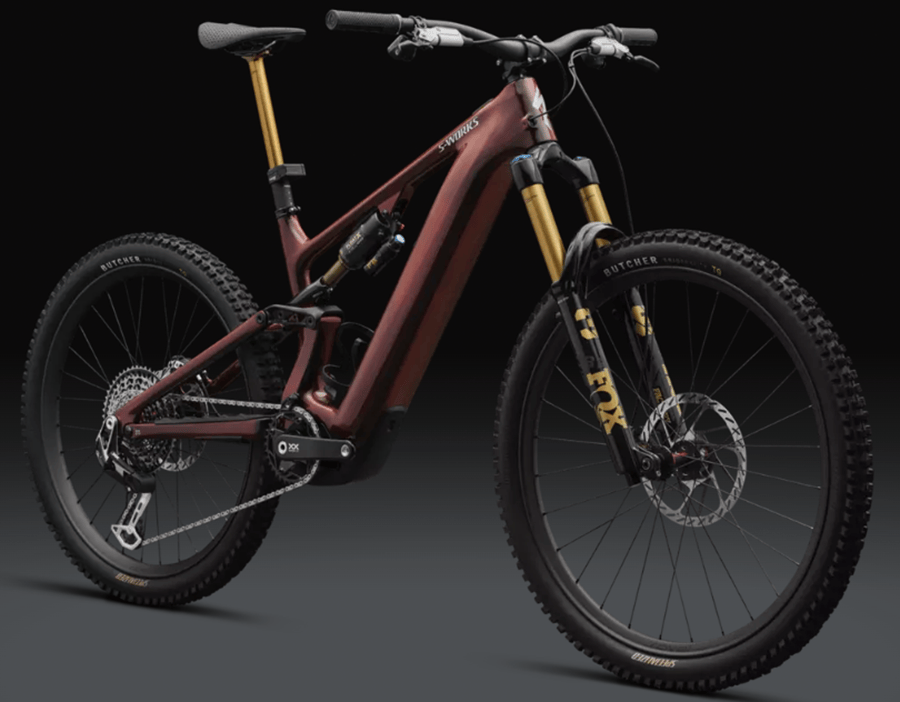
The Specialized Turbo Levo represents the gold standard in electric mountain bike design and performance
The Specialized Turbo Levo continues setting industry standards with its refined approach to eMTB design. The latest generation features their custom-tuned Brose motor system producing 90Nm of torque, paired with a 700Wh battery providing exceptional range for all-day adventures. The carbon frame construction keeps weight reasonable at approximately 50 pounds while maintaining the structural integrity necessary for aggressive trail riding.
Geometry refinements include a 64-degree head angle and modern reach measurements that inspire confidence on technical descents. The MasterMind display integration provides comprehensive ride data while maintaining clean cockpit aesthetics. Pricing starts around $5,500 for alloy models, with premium carbon versions reaching $12,000.
The Levo’s standout characteristic lies in its balanced power delivery, which feels intuitive across varying terrain. Whether grinding up technical climbs or flowing through singletrack, the motor assistance integrates seamlessly with rider input, creating a natural riding experience that doesn’t overwhelm the bike’s handling dynamics.
Trek Powerfly: Value and Versatility
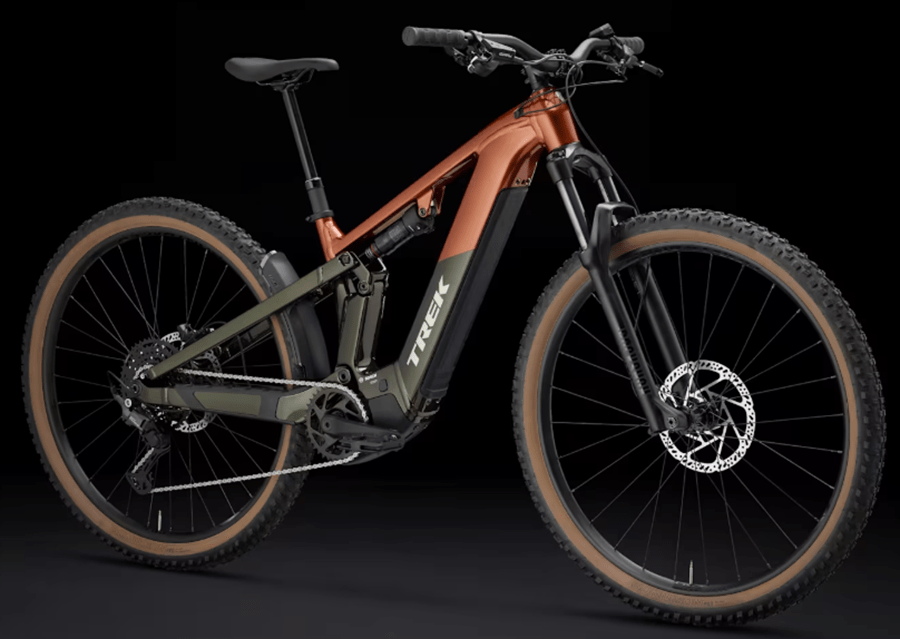
The Trek Powerfly offers exceptional value with proven Bosch motor systems and versatile trail capabilities
Trek’s Powerfly lineup demonstrates how established manufacturers leverage proven technology for reliable eMTB performance. Built around the Bosch Performance Line CX motor system with 85Nm of torque, the Powerfly offers predictable power delivery and extensive dealer support network advantages. Battery options range from 500-625Wh, with the larger capacity providing substantial range for extended trail sessions.
The aluminum frame construction prioritizes durability over weight savings, resulting in bikes typically weighing 52-55 pounds depending on specification level. However, this robust construction translates to confidence-inspiring performance on rough terrain where lighter bikes might feel fragile. Pricing starts around $3,800 for hardtail models, with full-suspension versions beginning near $4,500.
Trek’s approach emphasizes practicality, with features like integrated lighting systems, kickstand mounts, and rack compatibility appealing to riders seeking versatile eMTBs for both trail riding and utility applications. The bike fitting principles remain crucial for maximizing Powerfly comfort and performance across extended rides.
Giant Trance E+: Engineering Excellence
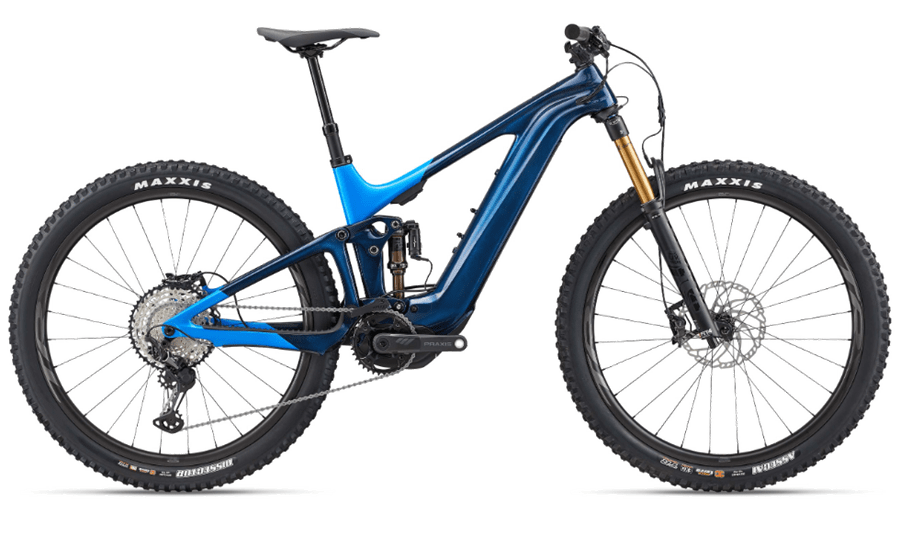
The Giant Trance E+ showcases advanced engineering with their SyncDrive motor system and Maestro suspension
Giant’s Trance E+ series represents sophisticated engineering approach to electric mountain bike design. The proprietary SyncDrive motor system, developed in partnership with Yamaha, delivers 80Nm of torque with exceptional efficiency characteristics. The 500-625Wh battery options provide competitive range, while the advanced motor tuning creates smooth power delivery across all assistance levels.
The Maestro suspension system provides 140mm of rear travel with progressive characteristics that handle both climbing efficiency and descending performance effectively. Frame construction utilizes Giant’s ALUXX SL aluminum alloy, creating a balance between weight savings and durability that results in bikes weighing approximately 48-52 pounds depending on specification.
Pricing competitiveness represents a major Trance E+ advantage, with full-suspension models starting around $4,200 while offering component specifications typically found on higher-priced competitors. The value proposition becomes particularly compelling when considering Giant’s extensive dealer network and comprehensive warranty coverage.
Santa Cruz Heckler: Premium Performance
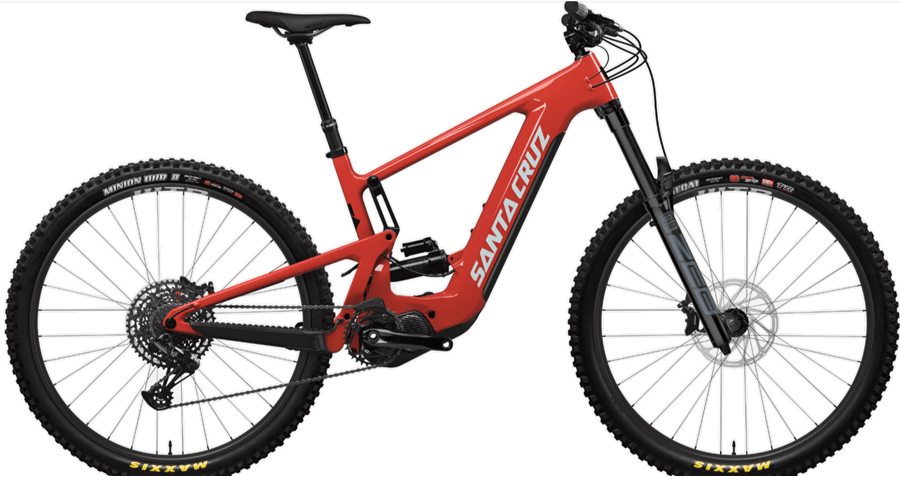
The Santa Cruz Heckler delivers premium performance with VPP suspension and high-end component specifications
The Santa Cruz Heckler embodies the company’s commitment to premium mountain bike construction applied to electric assistance. The VPP suspension system provides 160mm front and 150mm rear travel, creating a capable platform for aggressive trail riding. The Shimano EP8 motor produces 85Nm of torque while maintaining the refined power delivery characteristics that distinguish premium eMTB systems.
Carbon fiber frame construction reduces weight to approximately 48-50 pounds while providing the structural integrity necessary for Santa Cruz’s aggressive riding style. The mixed wheel setup (29″ front, 27.5″ rear) creates a balance between rolling efficiency and maneuverability that many riders prefer for technical terrain.
Premium component specifications justify the $8,000-$13,000 price range, with high-end suspension, drivetrain, and brake systems that match the frame’s performance capabilities. The Heckler appeals to riders prioritizing performance over value, particularly those familiar with Santa Cruz’s riding characteristics from their traditional mountain bike lineup.
Cannondale Moterra: Innovation Focus
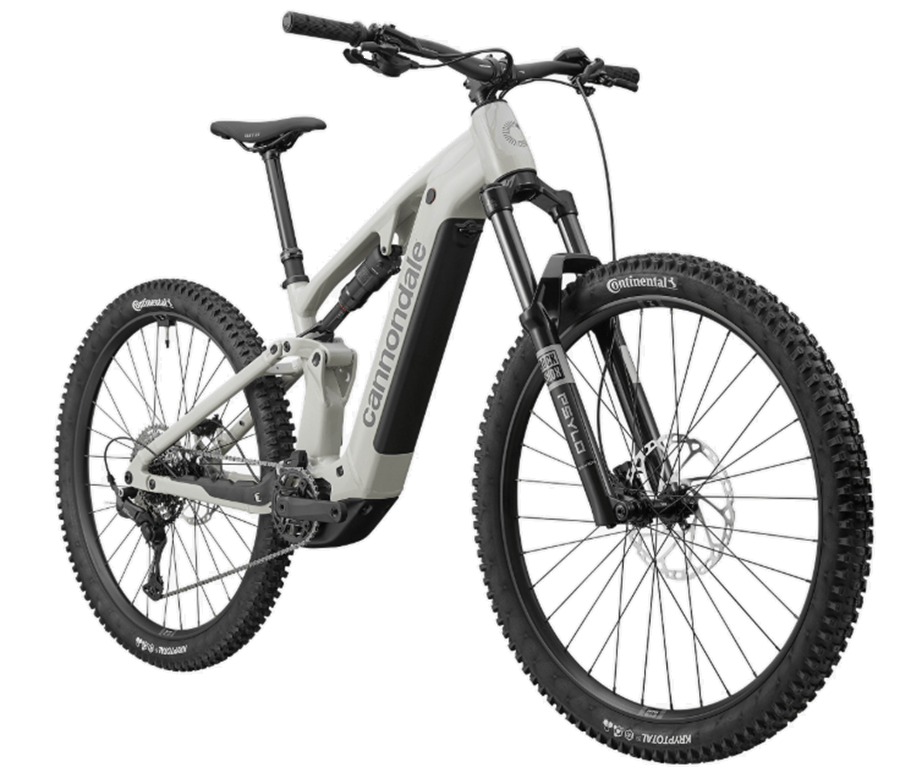
The Cannondale Moterra showcases innovative frame construction with carbon front triangle and aluminum rear end
Cannondale’s Moterra series demonstrates innovative approaches to eMTB frame construction and suspension design. The hybrid frame combines a carbon fiber front triangle with aluminum rear section, creating weight savings while maintaining durability where impact resistance matters most. The Proportional Response suspension system adjusts kinematics based on frame size, ensuring optimal performance regardless of rider dimensions.
The Bosch Performance Line CX motor provides 85Nm of torque with 625-750Wh battery options, depending on model specification. This combination delivers exceptional range capabilities, particularly valuable for riders prioritizing extended backcountry adventures. Frame geometry reflects modern trends with slack head angles and long reach measurements that inspire confidence on technical descents.
Pricing varies significantly across the Moterra lineup, from $6,500 for alloy hardtail models to over $10,000 for premium carbon full-suspension versions. The innovative construction methods and proprietary suspension design create distinctive riding characteristics that appeal to riders seeking unique performance attributes.
Comparison Overview
| Model | Motor/Torque | Battery | Weight | Price Range | Best For |
| Specialized Turbo Levo | Brose/90Nm | 700Wh | 50lbs | $5,500-$12,000 | All-around performance |
| Trek Powerfly | Bosch CX/85Nm | 500-625Wh | 52-55lbs | $3,800-$6,500 | Value and reliability |
| Giant Trance E+ | SyncDrive/80Nm | 500-625Wh | 48-52lbs | $4,200-$7,500 | Engineering excellence |
| Santa Cruz Heckler | Shimano EP8/85Nm | 720Wh | 48-50lbs | $8,000-$13,000 | Premium performance |
| Cannondale Moterra | Bosch CX/85Nm | 625-750Wh | 50-53lbs | $6,500-$10,000+ | Innovation and range |
Buying Guide: What to Look For
Motor Systems and Power Delivery
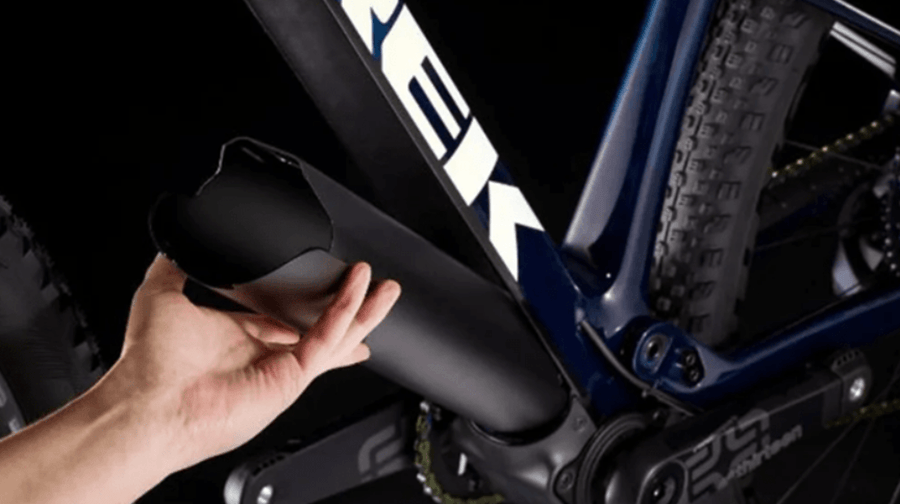
Motor selection significantly impacts your electric mountain bike experience, with three primary systems dominating the premium market. Bosch Performance Line CX motors offer refined power delivery with 85Nm of torque and extensive dealer support networks. Shimano EP8/EP801 systems provide quieter operation with similar power output and more customizable tuning options. Specialized’s proprietary Brose-based systems deliver 90Nm of torque with exceptional efficiency characteristics.
Mid-drive motor placement creates superior weight distribution and climbing performance compared to hub motors, while allowing use of standard drivetrain components. Torque sensor technology ensures power delivery responds naturally to pedaling input, creating intuitive assistance that complements rather than overwhelms rider effort.
Consider motor noise levels if stealth riding matters for your trails or riding style. Shimano systems typically operate more quietly than Bosch units, while Specialized’s Brose motors fall somewhere between. Test riding different systems reveals personal preferences for power delivery characteristics and control interface layouts.
Battery Capacity and Range Planning
Battery selection directly impacts ride duration and motor performance capabilities. Current systems range from 400-750 watt-hours, with larger capacities providing extended range at the expense of additional weight and cost. Calculate range requirements based on typical ride distances, terrain difficulty, and desired assistance levels.
Factors affecting battery performance include rider weight, terrain steepness, weather conditions, tire pressure, and assistance level usage. Conservative estimates suggest 25-40 kilometers per 100Wh of capacity under mixed conditions, though optimal conditions can double these figures. Consider removable versus integrated battery designs based on charging convenience and security requirements.
Battery degradation occurs gradually over 500-1000 charge cycles, typically maintaining 80% capacity after 2-4 years of regular use. Premium batteries offer better longevity and often include comprehensive warranty coverage. Plan replacement costs into long-term ownership calculations, as battery replacement represents the most significant maintenance expense.
Frame Materials and Suspension Systems
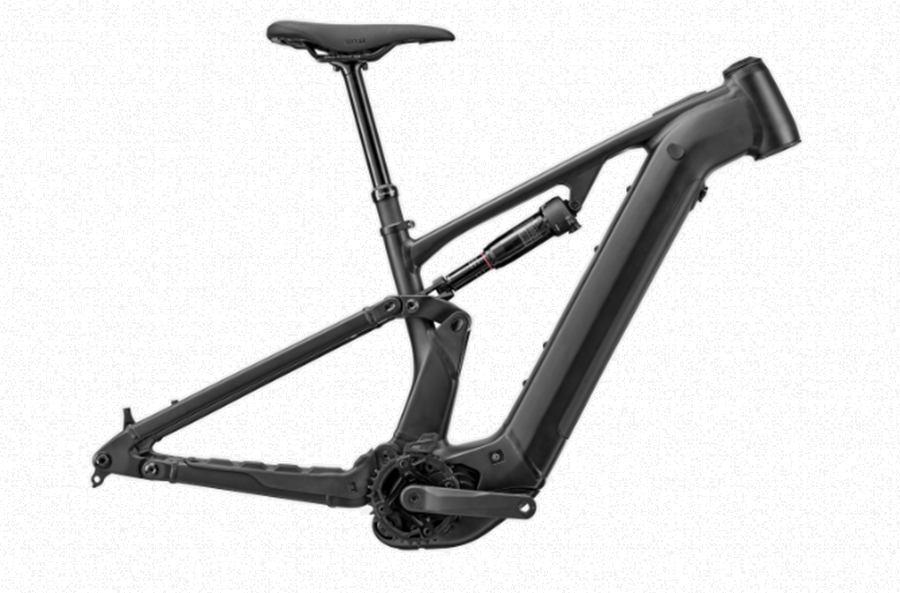
Carbon fiber frames provide weight savings of 2-5 pounds compared to aluminum construction while offering superior vibration damping characteristics. However, aluminum frames cost less and provide better impact resistance for aggressive riding styles. Consider riding style, budget constraints, and durability requirements when selecting frame materials.
Suspension travel requirements depend on terrain preferences and riding style. Cross-country focused riders benefit from 100-120mm travel, while trail and enduro riding demands 140-170mm travel for optimal performance. Full-suspension systems add weight and complexity but dramatically improve comfort and control on rough terrain.
Suspension component quality varies significantly across price points, with premium systems offering better adjustability and performance. Budget builds often compromise suspension performance, while high-end models feature advanced damping systems that justify their premium pricing.
Component Integration and Upgradeability
Drivetrain compatibility becomes crucial when planning future upgrades or maintenance. Most eMTBs use standard mountain bike drivetrains, though motor placement may limit chainring options or require specific chain line considerations. Single chainring setups dominate modern eMTBs, simplifying maintenance while providing adequate gear range with motor assistance.
Brake system requirements increase with eMTB use due to higher speeds and additional weight. Four-piston hydraulic disc brakes with 180-203mm rotors provide necessary stopping power, while premium systems offer better modulation and fade resistance during extended descents.
Wheel and tire considerations impact performance significantly, with plus-size options providing additional traction and comfort at the expense of rolling efficiency. Tubeless tire systems reduce puncture risk and allow lower pressures for improved traction. Consider tire availability and cost when evaluating wheel size options.
Control Systems and Connectivity
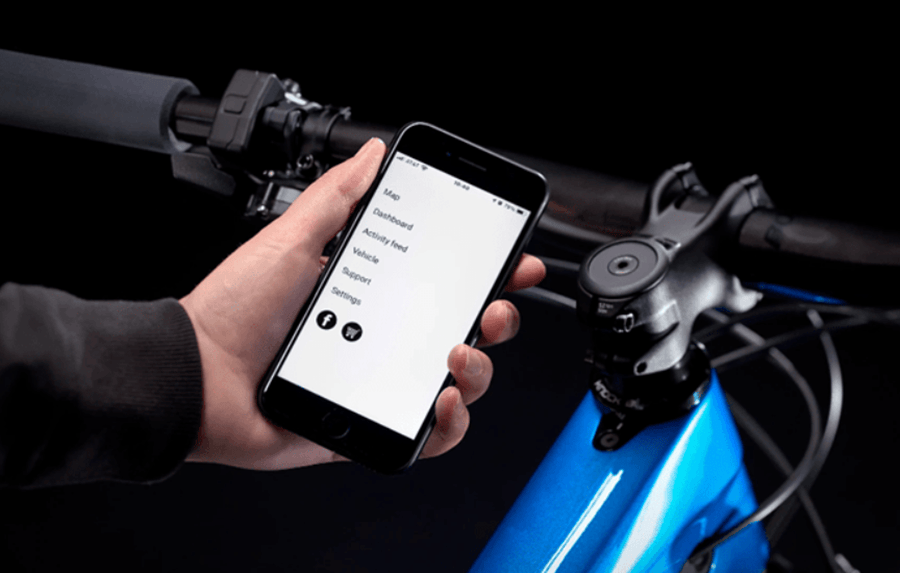
Modern eMTB control systems range from basic mode selection to comprehensive ride data integration. Premium systems offer smartphone connectivity, GPS navigation, and detailed performance analytics. Consider whether advanced features justify additional complexity and cost based on your riding preferences.
Display integration affects cockpit aesthetics and functionality, with options ranging from discrete LED indicators to comprehensive color displays. Larger displays provide more information but may appear cluttered on mountain bike handlebars. Remote control placement and ergonomics significantly impact usability during rides.
Battery level indicators and range estimation help plan rides and avoid unexpected power depletion. More sophisticated systems learn riding patterns and provide accurate range predictions based on historical data and current conditions.
Electric Mountain Bike Maintenance
Motor System Care
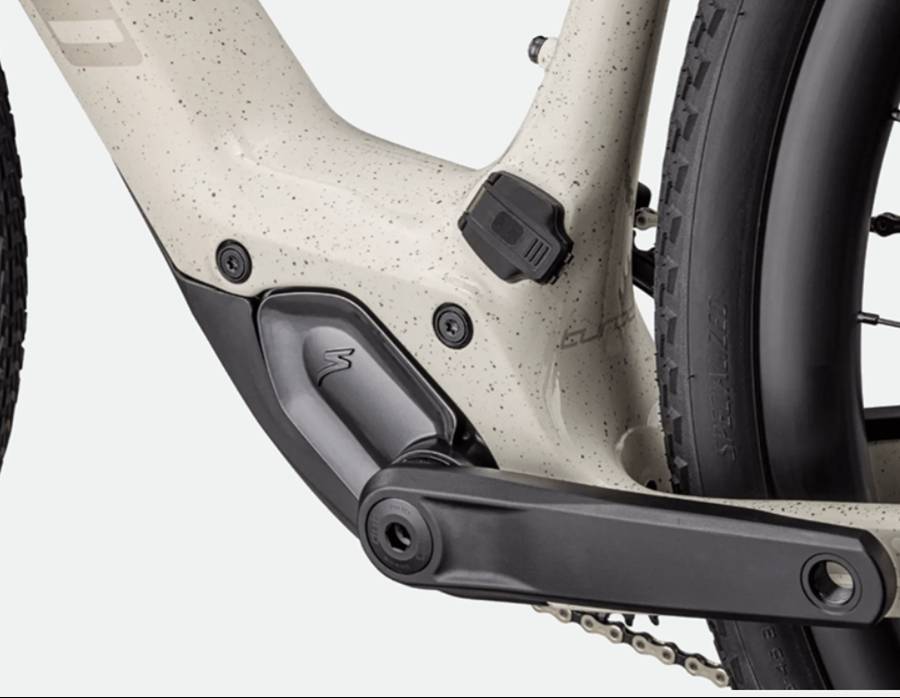
Electric mountain bike motors require minimal routine maintenance beyond keeping them clean and dry. However, regular inspection of electrical connections prevents moisture-related issues that could compromise system performance. Most premium motor systems include IP54 or higher water resistance ratings, allowing normal trail riding in wet conditions while requiring care during pressure washing.
Annual motor system inspections by qualified technicians ensure optimal performance and warranty compliance. These services typically include firmware updates, bearing inspection, and electrical system diagnostics. Software updates often improve motor performance, add features, or address known issues discovered after production.
Avoid submerging motor systems or using high-pressure water directly on electrical components. Simple cleaning with damp cloths and mild detergents maintains appearance while protecting sensitive electronics. Store bikes in temperature-controlled environments when possible, as extreme temperatures can affect motor and battery performance.
Battery Maintenance and Longevity
Proper battery care significantly extends electric mountain bike system lifespan and maintains performance capabilities. Store batteries at 40-60% charge levels for extended periods, as fully charged or completely depleted states accelerate capacity degradation. Modern battery management systems prevent over-charging and deep discharge, but optimal storage practices maximize longevity.
Temperature extremes negatively impact battery performance and longevity, with optimal operating ranges between 32-104°F (0-40°C). Cold temperatures reduce available capacity temporarily, while excessive heat causes permanent degradation. Remove batteries from bikes when storing in freezing conditions or extreme heat.
Regular cleaning of battery contacts and charging ports prevents corrosion and ensures reliable connections. Use appropriate cleaning solvents and avoid moisture intrusion into electrical connections. Most batteries require complete replacement after 500-1000 charge cycles, representing 2-4 years of typical use.
Mechanical Component Considerations
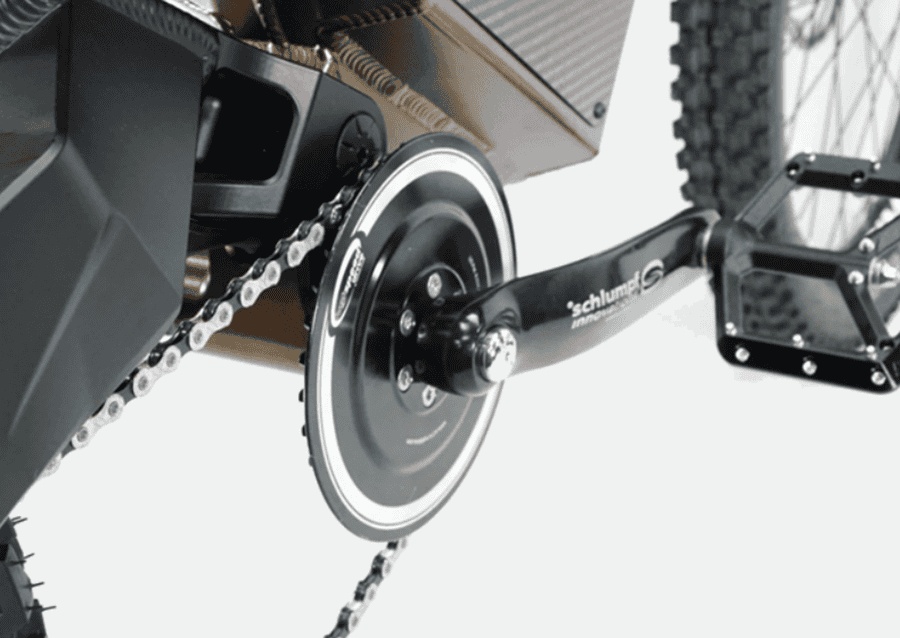
Electric mountain bikes place additional stress on traditional bicycle components due to increased speeds, extended ride durations, and higher system weights. Chain and cassette wear accelerates with motor assistance, particularly when using higher power settings frequently. Monitor drivetrain wear carefully and replace components proactively to prevent costly damage.
Brake system maintenance becomes more critical due to increased speeds and weight compared to traditional mountain bikes. Inspect brake pads regularly and maintain proper fluid levels in hydraulic systems. Consider upgrading to premium brake systems if original equipment proves inadequate for your riding style.
Suspension systems benefit from more frequent servicing due to the additional weight and extended ride durations typical with eMTB use. Follow manufacturer service intervals and consider professional maintenance for optimal performance. The maintenance principles developed for traditional mountain bikes apply to eMTB mechanical systems with increased attention to wear patterns.
Software and Electronics Management
Keep eMTB system software updated to ensure optimal performance and access to latest features. Most manufacturers provide smartphone apps for system management, ride tracking, and firmware updates. Regular updates often improve motor performance, battery management, or add functionality discovered during development.
Document system settings and customizations to facilitate restoration after service or replacement. Many systems allow extensive customization of power delivery characteristics, display preferences, and connectivity features. Backup critical settings when possible to avoid reconfiguration after system updates.
Monitor system diagnostics and error codes to identify developing issues before they cause failures. Most premium systems provide detailed diagnostic information that qualified technicians can interpret to predict maintenance requirements or identify warranty issues.
Where to Buy Electric Mountain Bikes
Authorized Dealer Advantages
Purchasing through authorized dealers provides significant advantages for electric mountain bike buyers, particularly regarding warranty support, professional assembly, and ongoing service availability. Dealers offer test ride opportunities that allow direct comparison between models and proper fit assessment before purchase. Professional assembly ensures safety-critical components are properly installed and adjusted, while initial setup includes motor system configuration and rider education.
Warranty support through authorized dealers typically provides faster resolution and local service availability compared to direct-purchase options. Many manufacturers require dealer involvement for warranty claims, making authorized dealer relationships valuable for long-term ownership satisfaction. Additionally, dealers often provide trade-in opportunities and financing options that simplify purchase processes.
Established bicycle dealers understand local trail conditions and can recommend models suited to regional riding characteristics. Their experience with multiple brands enables objective comparisons and honest recommendations based on individual rider needs rather than sales incentives favoring specific manufacturers.
Online Retail Considerations
Online electric mountain bike purchasing offers pricing advantages and broader selection compared to local dealer inventory. However, buyers assume responsibility for assembly, initial setup, and warranty service coordination. Some manufacturers void warranties for bikes not assembled by qualified technicians, making this option risky for complex eMTB systems.
Reputable online retailers like Electric Bike Review provide detailed specifications, professional reviews, and customer support that assists purchase decisions. However, sizing and fit assessment becomes challenging without test ride opportunities, increasing the risk of purchasing inappropriate models.
Consider shipping costs, assembly requirements, and local service availability when evaluating online purchase options. Some manufacturers offer hybrid programs combining online pricing with local dealer assembly and service support, providing optimal balance between cost and convenience.
Timing and Seasonal Considerations
Electric mountain bike availability and pricing fluctuate seasonally, with best selection typically available during fall and winter months as manufacturers release new model years. Spring demand often creates inventory shortages and reduces negotiation flexibility, while late-season purchasing may provide closeout pricing on previous model years.
Consider lead times for popular models, as custom builds or specific configurations may require extended wait periods. Premium brands often experience supply constraints during peak season, making advance ordering advisable for riders with specific requirements or timing needs.
Budget planning should account for essential accessories including helmets, protective gear, maintenance equipment, and potential upgrades. Many dealers offer package deals combining bikes with necessary accessories, providing cost savings compared to individual purchases.
Conclusion and Final Recommendations
The electric mountain bike represents a transformative technology that extends riding opportunities while maintaining the fundamental appeal of mountain biking. Whether seeking extended range for backcountry adventures, assistance for challenging terrain, or simply wanting to maximize limited riding time, modern eMTBs provide compelling solutions for diverse rider needs.
For most riders, the Specialized Turbo Levo offers the optimal balance of performance, reliability, and dealer support, while the Trek Powerfly provides exceptional value for budget-conscious buyers. Enthusiasts seeking premium performance will appreciate the Santa Cruz Heckler’s refined characteristics, while the Giant Trance E+ delivers engineering excellence at competitive pricing.
Success with any electric mountain bike depends on selecting appropriate specifications for your riding style, terrain preferences, and physical requirements. Take advantage of dealer test ride opportunities, consider long-term ownership costs including battery replacement, and prioritize models with strong local service support. The investment in a quality eMTB opens new possibilities for trail exploration while providing years of enhanced riding enjoyment.
Remember that the best electric mountain bike is the one that gets you out riding more frequently and exploring terrain you might otherwise avoid. Consider how these powerful machines might transform your riding experience and choose accordingly.
 |  |
We are an Amazon affiliate and earn from qualified Amazon purchases with no cost to you. This is for ANY product that you purchase through our links.
If you enjoyed learning about this week’s featured bicycle, don’t miss out on more classic bike goodness! Visit our website at classicjapanesebicycles.com for an extensive collection of timeless Japanese bikes and their unique stories. Plus, check out our YouTube channel, Bicycle Restoration Man, for detailed restoration videos and showcases of our finished projects. Subscribe and join our community of bike enthusiasts!