

Contents
- 1 Balancing Cycling Recovery With Intense Training Sessions
- 1.1 Why Rest and Cycling Recovery Matter
- 1.2 Scheduling Rest Days: Frequency and Structure
- 1.3 Sample Weekly Structure for Cyclists
- 1.4 Types of Cycling Recovery: Passive vs. Active
- 1.5 Monitoring Recovery: Key Indicators
- 1.6 Periodization and Recovery Weeks
- 1.7 Injury Prevention and Long-Term Health
- 1.8 Mental Recovery and Motivation
- 1.9 Adjusting Based on Individual Needs
- 1.10 Practical Tips for Balancing Rest and Training
Balancing Cycling Recovery With Intense Training Sessions

Balancing cycling recovery rest days with intense training sessions is fundamental for athletes, especially cyclists, aiming to improve performance, prevent injuries, and sustain motivation over the long term. Proper cycling recovery strategies, including both passive rest and active recovery, are as crucial as the workouts themselves.

Why Rest and Cycling Recovery Matter
Intense training sessions create micro-tears in muscle fibers and place significant stress on the body’s physiological systems. Cycling recovery is when the body repairs these micro-tears, adapts to training loads, and grows stronger. Without adequate rest, athletes risk overtraining syndrome, chronic fatigue, and increased injury rates. Periods of rest and proper cycling recovery also support immune system health and mental well-being, both of which are vital for consistent progress.

Scheduling Rest Days: Frequency and Structure
How often should you rest?
The American Council on Exercise (ACE) recommends at least one full rest day every seven to ten days for those engaging in high-intensity exercise, but many athletes benefit from two rest days per week, depending on training volume and intensity.
Periodization, or structuring training into blocks with planned rest and cycling recovery, is widely used. For example, after three weeks of progressive training, a recovery week with reduced volume and intensity (by 40–60%) is advised.
Sample Weekly Structure for Cyclists
| DAY | ACTIVITY TYPE |
| MONDAY | REST OF ACTIVE RECOVERY |
| TUESDAY | INTENSE TRAINING |
| WEDNESDAY | EASY RIDE OR REST |
| THURSDAY | INTENSE TRAINING |
| FRIDAY | REST OR ACTIVE RECOVERY |
| SATURDAY | LONG / ENDURANCE RIDE |
| SUNDAY | EASY RIDE OR REST |
This structure alternates hard efforts with easier days, supporting muscle repair and reducing the risk of overuse injuries through effective cycling recovery.
 “Fuel your workouts with Skratch Labs Hydration Powder – the vegan, non-GMO electrolyte mix trusted by 2,000 athletes last month alone.” GET STARTED TODAY ➡️
Types of Cycling Recovery: Passive vs. Active
Passive Rest
Complete days off from structured physical activity allow the body and mind to reset. Passive rest is particularly important after races, intense blocks, or when experiencing signs of overtraining, such as persistent fatigue or mood changes.
Active Recovery
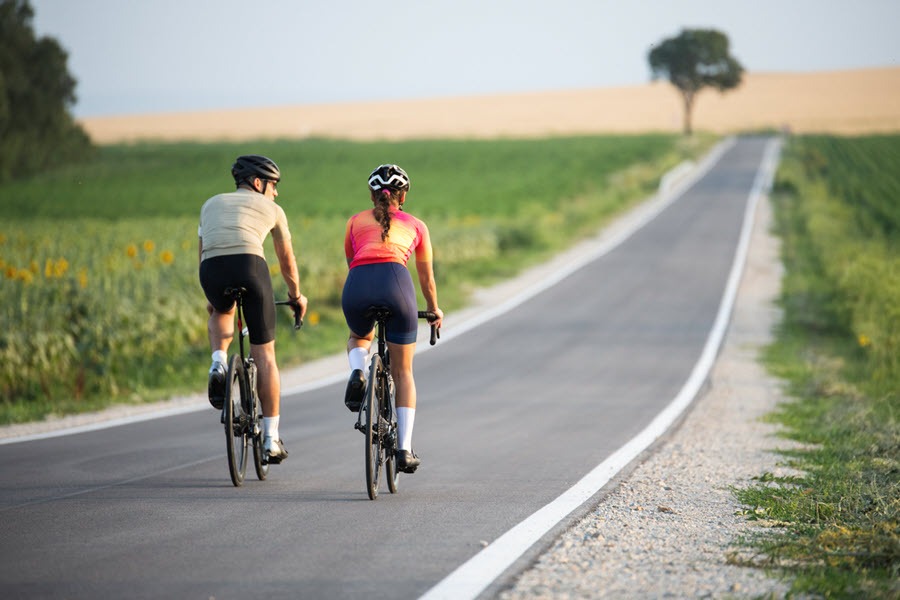
Active recovery involves low-intensity activities that promote blood flow and facilitate muscle recovery without imposing additional fatigue. Examples include:
- Zone 1 cycling (very easy pace)
- Gentle walking
- Yoga or stretching
- Light swimming
Active recovery sessions should last 30–60 minutes and be performed at a conversational pace. These sessions help clear metabolic waste, reduce muscle soreness (DOMS), and maintain flexibility and joint mobility, all key aspects of cycling recovery.

Monitoring Recovery: Key Indicators
Effective cycling recovery isn’t just about taking days off. Monitoring recovery cues helps tailor your rest:
- Sleep quality: Aim for 7–9 hours per night. Poor sleep impairs muscle repair and can increase injury risk.
- Nutrition: Carbohydrates and protein intake before and after workouts replenish glycogen stores and support muscle rebuilding.
- Subjective well-being: Feelings of persistent fatigue, irritability, or decreased motivation may signal the need for extra rest.
- Performance metrics: Declining power output, slower times, or elevated resting heart rate can indicate insufficient cycling recovery.
Periodization and Recovery Weeks
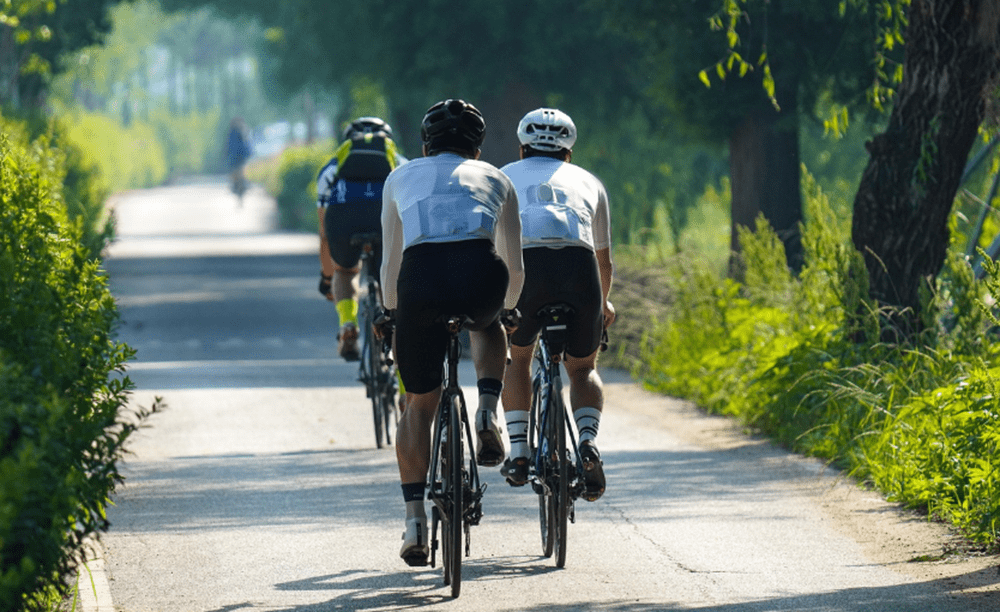
Periodization involves systematically varying training intensity and volume. After 3–5 weeks of progressive overload, schedule a recovery week:
- Reduce training volume and intensity by 40–60%
- Focus on active recovery, mobility work, and sleep
- Use this time to address minor aches or work on technique
This approach allows for supercompensation, where the body adapts and becomes stronger after rest, making cycling recovery a central part of long-term training adaptation.
“Revitalize faster with Hyperice Normatec 3 Recovery System’s- patented dynamic compression technology – the professional-grade recovery solution chosen by 600 athletes last month.” Start Your Journey ➡️

Injury Prevention and Long-Term Health
Rest and cycling recovery are proven strategies for preventing both acute and overuse injuries. Overtraining increases the likelihood of muscle strains, tendon injuries, and bone stress injuries. Incorporating mobility work, stretching, and cross-training can further reduce injury risk and support joint health.
Mental Recovery and Motivation
Mental fatigue can undermine training consistency. Taking time for mental recovery-through mindfulness, unstructured rides, or simply enjoying nature-helps prevent burnout and keeps motivation high. Cycling recovery routines that include mental rest are just as important as physical recovery.

Adjusting Based on Individual Needs
Cycling recovery needs are highly individual. Factors such as age, training age, sleep patterns, and life stressors influence how much rest is required. Athletes should regularly assess their physical and mental state and adjust rest days as needed.
No one can function without getting adequate recovery. It can be almost as important as the actual training you’re putting in, because if you’re not recovering from training, you’re not getting a boost from it.
Practical Tips for Balancing Rest and Training
- Schedule at least one full rest day per week; consider two if training volume is high.
- Alternate hard and easy days; never stack intense sessions back-to-back.
- Use active recovery (gentle cycling, walking, yoga) to promote circulation and flexibility.
- Plan a recovery week every 3–5 weeks, reducing both volume and intensity.
- Prioritize sleep and nutrition for optimal muscle repair and immune support.
- Listen to your body-adjust rest based on fatigue, soreness, and motivation.
By consistently prioritizing cycling recovery alongside your training, you can maximize gains, reduce injury risk, and enjoy long-term progress in your cycling journey.
We earn from qualified Amazon purchases with NO cost to you. This is for ANY item that you need or were going to purchased anyway through any of our links.
|
|
|



If you enjoyed learning about this week’s featured bicycle, don’t miss out on more classic bike goodness! Visit our website at classicjapanesebicycles.com for an extensive collection of timeless Japanese bikes and their unique stories. Plus, check out our YouTube channel, Bicycle Restoration Man, for detailed restoration videos and showcases of our finished projects. Subscribe and join our community of bike enthusiasts!