


Contents
- 1 How To Improve FTP And Understanding Its Importance
- 1.1 The Science of Progressive Overload in Cycling
- 1.2 Variables you can manipulate
- 1.3 Traditional Periodization Framework
- 1.4 Core Training Zones and Methods
- 1.5 Zone 2 Training: The Aerobic Foundation
- 1.6 Sweet Spot Training: Maximum Efficiency
- 1.7 Threshold Training: Direct FTP Development
- 1.8 Implementing Progressive Overload in Training
- 1.9 Four-Week Progressive Block Example
- 1.10 Recovery and Adaptation
- 1.11 Training Plan Periodization
- 1.12 Testing and Monitoring
- 1.13 Common Implementation Mistakes
- 1.14 Supporting Elements for Success
- 1.15 Conclusion
How To Improve FTP And Understanding Its Importance

How to improve FTP starts with knowing what Functional Threshold Power (FTP) really signifies. FTP represents the highest power you can sustain for one hour and is the foundation for setting training zones, pacing strategies, and metrics such as watts per kilogram, normalized power, and intensity factor. Raising FTP allows you to ride faster for longer without crossing your lactate threshold, boosting climbing ability, sustained speed, and overall endurance.
The Science of Progressive Overload in Cycling
A second pillar in learning how to improve FTP is progressive overload. By nudging one training variable—duration, intensity, frequency, or volume—upward by 2-5% each week, you trigger continual adaptation while avoiding overtraining. Measured with a power meter and tracked via training stress score, this steady increase is the safest roadmap to higher sustainable power.
Variables you can manipulate
Duration – Extend Ride or Interval Length

Duration refers to progressively extending the time spent in specific training efforts to build greater aerobic capacity and endurance. This approach applies to both entire rides and individual intervals, with gradual increases promoting sustainable adaptation while reducing injury risk.
For zone 2 endurance rides, duration extensions should target 2-4+ hours to provide adequate cardiovascular stimulus. Professional cyclists often utilize the 10% rule, increasing weekly training volume by no more than 10% to prevent overtraining. A practical approach involves adding 30-60 minutes to endurance rides when the power-to-heart rate ratio shows less than 5% decline between the first and second half of the ride.
Interval duration progressions follow similar principles but with smaller increments. For Sweet Spot work, cyclists might progress from 3×10-minute intervals to 2×15-minute efforts over several weeks. Threshold intervals can advance from 3×10 minutes to 2×20 minutes, allowing the body to adapt to longer lactate clearance demands. These extensions directly improve time-to-exhaustion (TTE) at specific power outputs.
Intensity – Elevate Power Output or Heart Rate Zone
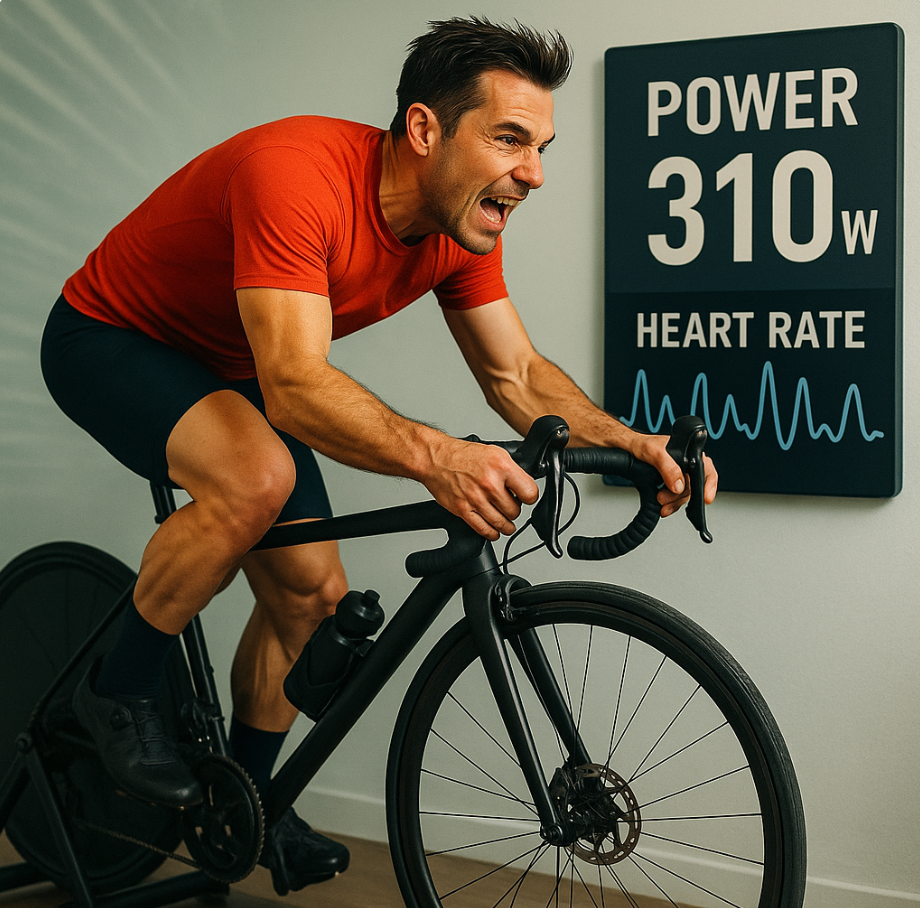
Intensity manipulation involves systematically increasing power output percentages or targeting higher heart rate zones to stress different energy systems. This variable creates specific physiological adaptations while requiring careful management to avoid overreaching.
Power-based intensity follows the seven-zone system, where each zone targets distinct metabolic pathways. Zone 4 threshold training (95-105% FTP) directly stimulates lactate buffering capacity and mitochondrial function. VO2 max intervals (Zone 5: 106-120% FTP) improve oxygen uptake and anaerobic power. Neuromuscular work above 150% FTP enhances sprint capacity and force production.
Heart rate intensity progression follows similar patterns, with Zone 4 (80-90% max HR) representing the anaerobic threshold. Training in Zone 5 (90-100% max HR) maximizes cardiovascular stress and improves oxygen delivery efficiency. The key is matching perceived exertion (RPE) with objective metrics to ensure proper intensity execution.
Frequency – Add Additional Weekly Sessions
Frequency increases involve adding more training days per week while maintaining the 80/20 principle of low-intensity to high-intensity distribution. Recreational cyclists typically benefit from 3-4 weekly sessions, while competitive athletes may train 5-6 days.
Novice cyclists should start with 2-3 sessions weekly, focusing on building aerobic base through zone 2 rides. Intermediate riders can handle 4-5 sessions, incorporating two interval days and multiple endurance rides. Advanced athletes training 6+ days weekly require careful periodization to prevent overtraining syndrome.
High-frequency training allows for greater training stress distribution and improved recovery between sessions. Studies show that spreading training across more days, even with matched total volume, can produce superior adaptations compared to concentrated weekend sessions. However, each additional session must be supported by adequate sleep, nutrition, and lifestyle factors.
Volume – Grow Total Weekly Training Time

Volume represents the total weekly training time and serves as the foundation for aerobic development and metabolic adaptations. Most amateur cyclists benefit from 6-12 hours weekly, with competitive riders often training 15-20+ hours.
Volume progression should follow the progressive overload principle, increasing by 30-60 minutes weekly until reaching target loads. For cyclists jumping from 8 to 12 hours weekly, dramatic FTP improvements are typical due to enhanced aerobic capacity and fat oxidation. Elite athletes training 20-30 hours weekly represent the upper limit of productive volume.

Base phase volume emphasizes zone 2 work to develop capillary density, mitochondrial function, and cardiac output. This aerobic foundation supports higher-intensity work during build phases while improving glycogen storage and fat utilization. Volume increases should prioritize consistency over peak loads, as sustainable training patterns yield superior long-term results.
Traditional Periodization Framework
An effective calendar for cyclists focusing on how to improve FTP follows classic periodization:
Base Phase (6 months) – Zone 2 rides at 55-75% of FTP build aerobic capacity, mitochondrial density, and glycogen sparing.
Build Phase (12-16 weeks) – Sweet Spot (88-94% FTP) and Threshold (95-105% FTP) intervals raise critical power and muscular endurance.
Specialty Phase (6-8 weeks) – Event-specific sharpening and tapering convert fitness into peak performance.
Core Training Zones and Methods
Zone 2 Training: The Aerobic Foundation

For anyone exploring how to improve FTP, Zone 2 work enhances fat oxidation, cardiovascular efficiency, and aerobic capacity with minimal recovery cost.
Sweet Spot Training: Maximum Efficiency
Sweet Spot intervals sit in the “goldilocks” range for riders asking how to improve FTP while balancing workload and rest. They deliver large aerobic gains at a moderate stress level—ideal for indoor sessions on a smart trainer.
Threshold Training: Direct FTP Development
Sustained efforts at 95-105% of FTP remain the gold standard for athletes intent on how to improve FTP directly. Examples include 3 × 10 min or 2 × 15 min sets, which raise VO₂ max and lactate-clearance capacity.
Implementing Progressive Overload in Training
A weekly schedule optimized for how to improve FTP typically follows an 80/20 split: 80% low intensity, 20% high intensity. Within the 20%, Sweet Spot and Threshold blocks lengthen or intensify every week, keeping acute training load aligned with long-term goals.
Four-Week Progressive Block Example
Week 1 3 × 10 min @ 95%
Week 2 3 × 12 min @ 95%
Week 3 3 × 15 min @ 95%
Week 4 Recovery week (-30% volume)
Recovery and Adaptation
Periodic de-load weeks are essential when your priority is how to improve FTP sustainably. Adequate sleep, balanced macronutrients, and monitoring heart-rate variability protect against chronic fatigue and ensure positive Training Stress Balance.
Training Plan Periodization
Each 4-6 week mesocycle should spotlight a single stimulus—like aerobic base or Threshold power—while retaining maintenance doses of other abilities. This block approach refines how to improve FTP by coupling overload with consolidation.
Testing and Monitoring

Re-test every 6-8 weeks to verify progress and recalibrate power zones. Whether using a 20-minute field test (× 0.95) or a full-hour effort, consistent benchmarking is central to mastering how to improve FTP.
Common Implementation Mistakes
Exceeding 20% weekly high-intensity work
Skipping the aerobic base phase
Ignoring recovery signals (fatigue, declining power-to-weight ratio)
Avoid these pitfalls to keep the quest for how to improve FTP on track.
Supporting Elements for Success
Targeted strength programs—squats, deadlifts, lunges—reinforce neuromuscular power and resilience. On-bike fueling at 30-60 g carbohydrate · h⁻¹ maintains output during long sessions, another crucial step in how to improve FTP.
Conclusion
Long-term success in how to improve FTP hinges on progressive overload, disciplined periodization, and meticulous recovery. Combine high-quality Zone 2 volume with strategic Sweet Spot and Threshold blocks while tracking lactate threshold, critical power, and other metrics. Stay consistent and patient—your FTP and overall cycling performance will climb steadily.
 |  |
We are an Amazon affiliate and earn from qualified Amazon purchases with no cost to you. This is for ANY product that you purchase through our links.
If you enjoyed learning about this week’s featured bicycle, don’t miss out on more classic bike goodness! Visit our website at classicjapanesebicycles.com for an extensive collection of timeless Japanese bikes and their unique stories. Plus, check out our YouTube channel, Bicycle Restoration Man, for detailed restoration videos and showcases of our finished projects. Subscribe and join our community of bike enthusiasts!