
Contents
- 1 Pelagro PB1 Superleggera
- 1.1 The Superleggera Philosophy and Automotive Heritage
- 1.2 Trellis Frame Construction Methodology
- 1.3 Achieving Sub-10kg Performance
- 1.4 Component Integration and Race Validation
- 1.5 Breaking the Diamond Frame Convention
- 1.6 The Future of Superleggera Bicycle Design
- 1.7 Frequently Asked Questions
- 1.8 Recommended Products for Lightweight Performance
Pelagro PB1 Superleggera
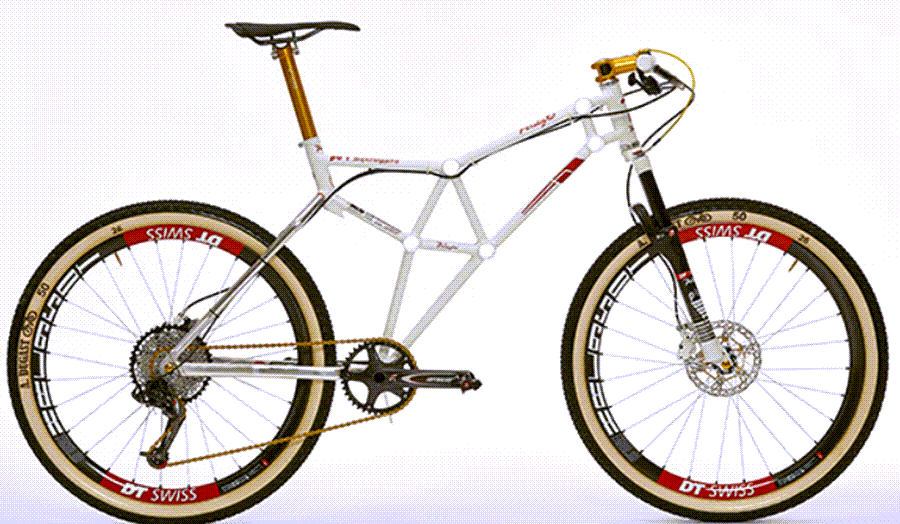 SPECIAL THANKS TO THE SPOKEN FOR THE IMAGES CONTAINED IN THIS ARTICLE!
By James J | Former USA Cycling Expert Coach
When automotive design philosophy meets mountain bike engineering, the result is Peter Laibacher’s Pelagro PB1 Superleggera—a machine that challenges every convention of traditional bicycle frame construction. This isn’t simply another lightweight race bike; it’s a radical reimagining of how tubular structures can achieve strength, stiffness, and featherweight performance through principles borrowed from Italian automobile coachbuilding.
The Superleggera Philosophy and Automotive Heritage
The term “superleggera” translates from Italian as “super light,” but carries deeper significance within automotive history. Carrozzeria Touring, an Italian coachbuilder established in 1926, trademarked the superleggera method—a revolutionary construction technique using small-diameter tubes to form structural frameworks. This approach allowed craftsmen to create remarkably light yet rigid automobile bodies that transformed racing performance.
Peter Laibacher, a dedicated Ducatista and founder of Pelagro, recognized the potential of applying superleggera principles to bicycle frame design. The trellis frame construction visible on Ducati motorcycles provided direct inspiration, demonstrating how triangulated tube structures could distribute stress efficiently while minimizing material usage. For riders interested in the engineering behind lightweight construction, studying advanced frame design and materials science resources reveals the complex calculations required to optimize tube placement and sizing.
Trellis Frame Construction Methodology
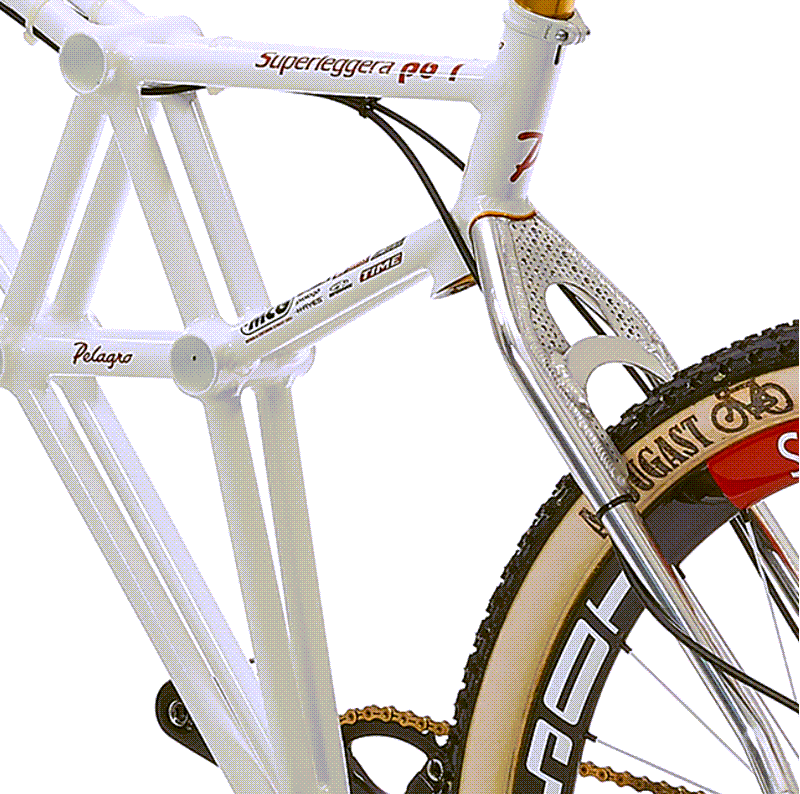
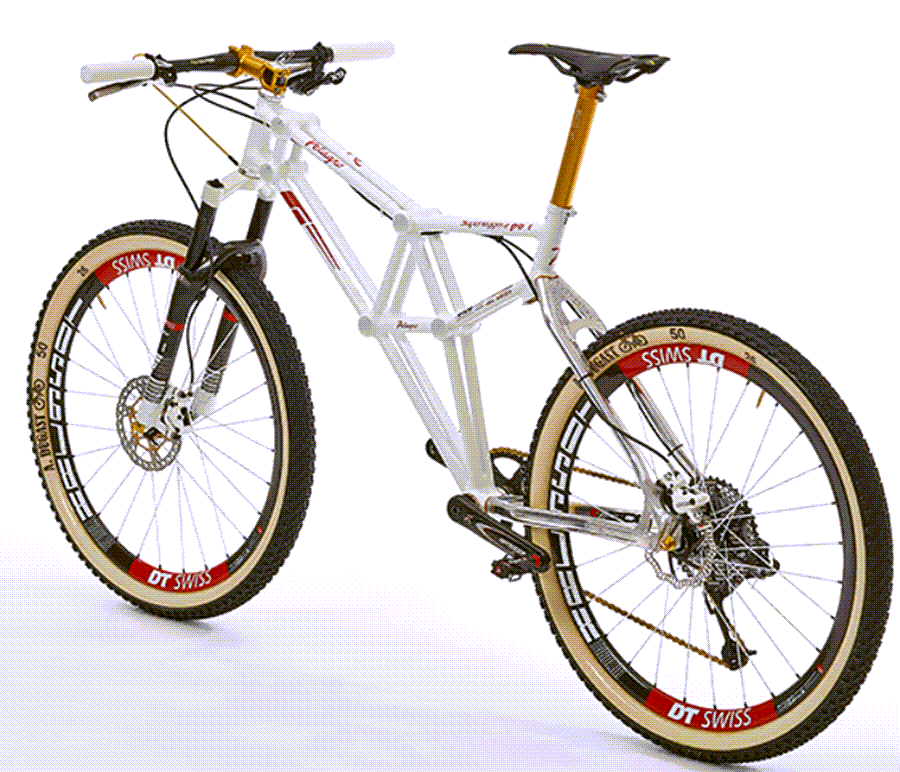
The Pelagro PB1 Superleggera abandons the traditional diamond frame geometry in favor of an intricate trellis structure. Multiple small-diameter tubes connect at strategic nodes, creating a web of triangulated supports that channel forces along optimal load paths. This superleggera approach distributes stress across numerous connection points rather than concentrating it in a few large tubes.
The latest iteration represents a significant evolution from earlier PB1 designs. The frame achieves a 500-gram weight reduction through reimagined head and down tube configurations, while an entirely new rear triangle further sheds mass without compromising structural integrity. Each tube serves a specific purpose within the trellis framework, creating redundant load paths that enhance reliability.
Building such frames requires specialized equipment and exceptional fabrication skills. Builders working on similar projects benefit from precision tube mitering equipment and high-quality TIG welding systems to ensure perfect joint alignment and penetration across numerous connection points.
Achieving Sub-10kg Performance
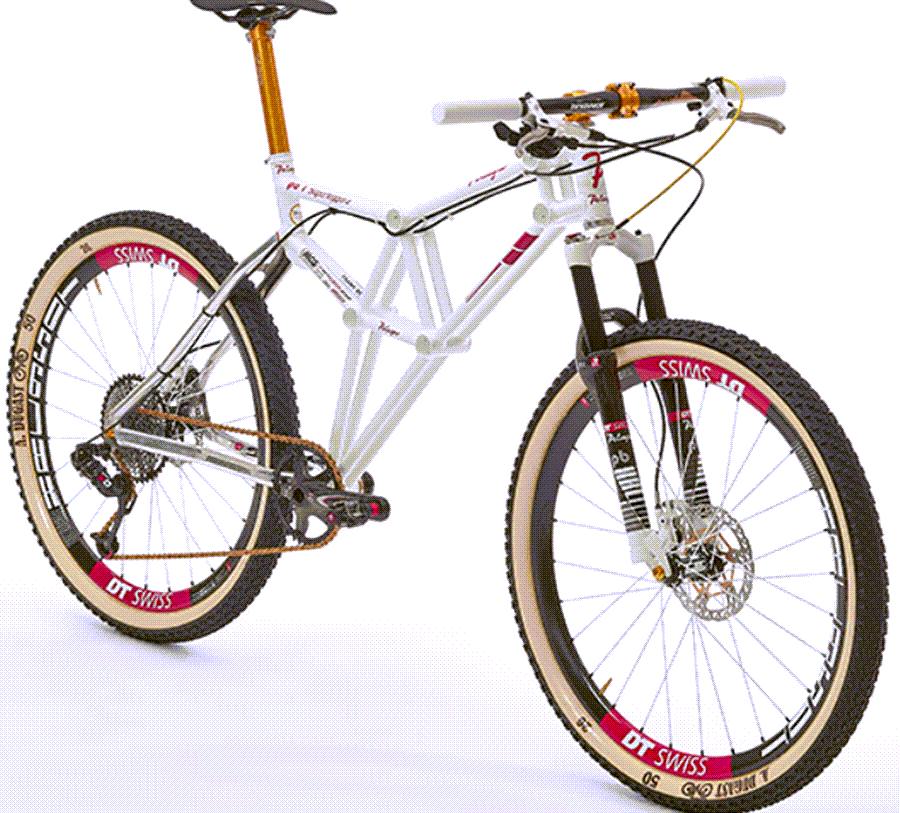
The superleggera philosophy extends beyond frame construction to encompass every component choice. The complete Pelagro PB1 tips the scales under 10 kilograms—a remarkable achievement for a full-suspension XC mountain bike built to racing standards. This weight target demanded uncompromising component selection and careful attention to every gram.
DT Swiss tubular carbon wheels form the foundation of the weight-saving strategy. These lightweight hoops, wrapped with Dutch handmade Dugast tires, combine for just 1,100 grams—the same championship-winning combination that carried Nino Schurter to MTB World Cup and World Championship victories in 2012 and 2013. The proven race pedigree of this wheelset validates the superleggera approach of prioritizing weight without sacrificing performance.
German manufacturer Tune supplied the featherweight stem and seatpost, components renowned for pushing material limits through extensive testing and optimization. Riders seeking similar weight savings can explore premium lightweight cockpit components and carbon fiber accessories that deliver measurable performance gains without compromising safety margins.
Component Integration and Race Validation
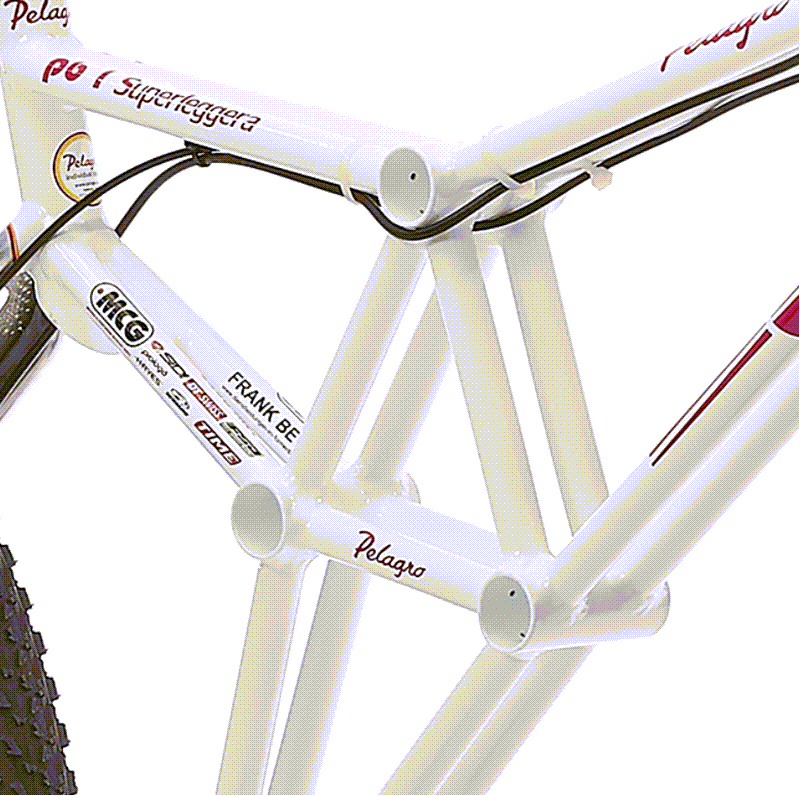
The Pelagro superleggera build demonstrates thoughtful component pairing beyond simple weight considerations. FSA road cranks and chainrings provide efficient power transfer, while a KMC gold chain handles drivetrain duties. The distinctive gold chain adds visual flair while delivering the durability required for competitive racing. Answer supplied the carbon handlebar, Prologo the saddle, and Velo the grips—each component selected for optimal weight-to-performance ratios.
The DT Swiss fork completes the front end, maintaining the superleggera weight philosophy while providing the suspension performance essential for XC racing. This careful component integration ensured the bike performed successfully at its maiden voyage—a local German hill climbing event where the machine validated Peter Laibacher’s design vision under race conditions.
Competitive riders building similar lightweight machines should invest in precision digital scales and component weighing systems to track every gram and make informed upgrade decisions based on actual data rather than manufacturer claims.
Breaking the Diamond Frame Convention
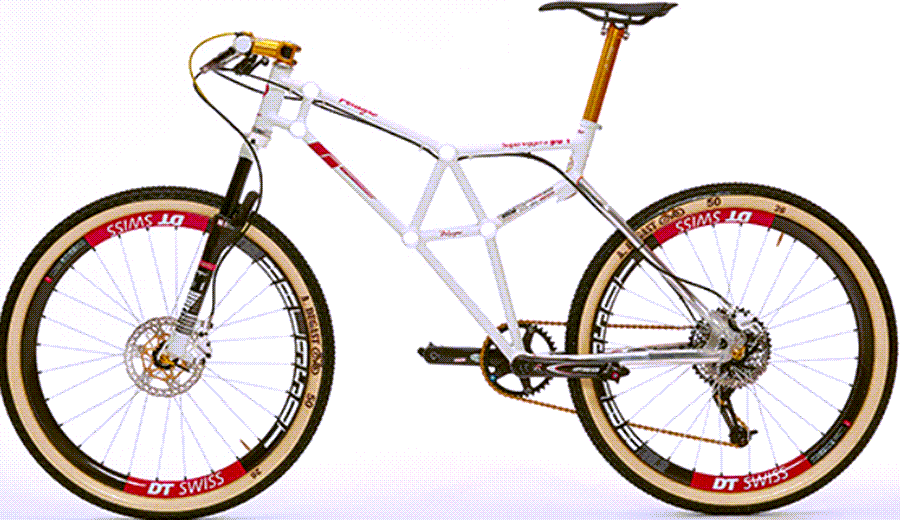
The Pelagro PB1 Superleggera represents more than weight optimization—it challenges the visual and structural conventions that have dominated bicycle design for over a century. The trellis framework creates an unmistakable silhouette that stands apart from conventional XC race bikes. This distinctive appearance reflects Peter Laibacher’s willingness to prioritize engineering principles over traditional aesthetics.
The superleggera construction method offers potential advantages beyond weight savings. The multiple load paths inherent to trellis design could theoretically provide superior impact resistance compared to traditional frames, as force distribution occurs across numerous tubes rather than concentrating stress in a few critical areas. This structural redundancy aligns with automotive engineering principles that have proven effective across decades of motorsport competition.
The Future of Superleggera Bicycle Design
While trellis frames remain uncommon in modern bicycle manufacturing, the Pelagro PB1 demonstrates the viability of alternative structural approaches. The superleggera philosophy—whether applied through automotive-inspired trellis construction or other innovative methods—continues to push boundaries in pursuit of ultimate lightweight performance.
Peter Laibacher’s achievement with the PB1 Superleggera proves that individual builders can still innovate beyond the constraints of mass production. The sub-10kg weight, race-proven performance, and distinctive aesthetic create a complete package that rewards both technical scrutiny and passionate riding. For cyclists seeking similar performance, exploring lightweight XC racing components and carbon fiber upgrades provides accessible paths toward meaningful weight reduction.
The Pelagro superleggera approach reminds us that bicycle design hasn’t reached its final form. Innovation continues through builders willing to question assumptions, experiment with unconventional methods, and pursue engineering excellence regardless of manufacturing complexity.
Frequently Asked Questions
Recommended Products for Lightweight Performance
DT Swiss XRC 1200 Carbon Wheels: Championship-proven carbon wheelset delivering the weight savings and stiffness essential for superleggera XC race builds.
Tune Speedneedle Carbon Saddle: Ultra-lightweight German-engineered saddle that exemplifies the superleggera philosophy without compromising comfort or durability.
FSA K-Force Light Carbon Crankset: Premium carbon cranks that reduce rotating weight while maintaining the stiffness required for efficient power transfer.
ProTaper Carbon Handlebar: Lightweight carbon bar offering precise handling characteristics and vibration damping for technical XC racing.