

Recovery Phase Cycling: The Hidden Danger of Non-Stop Training
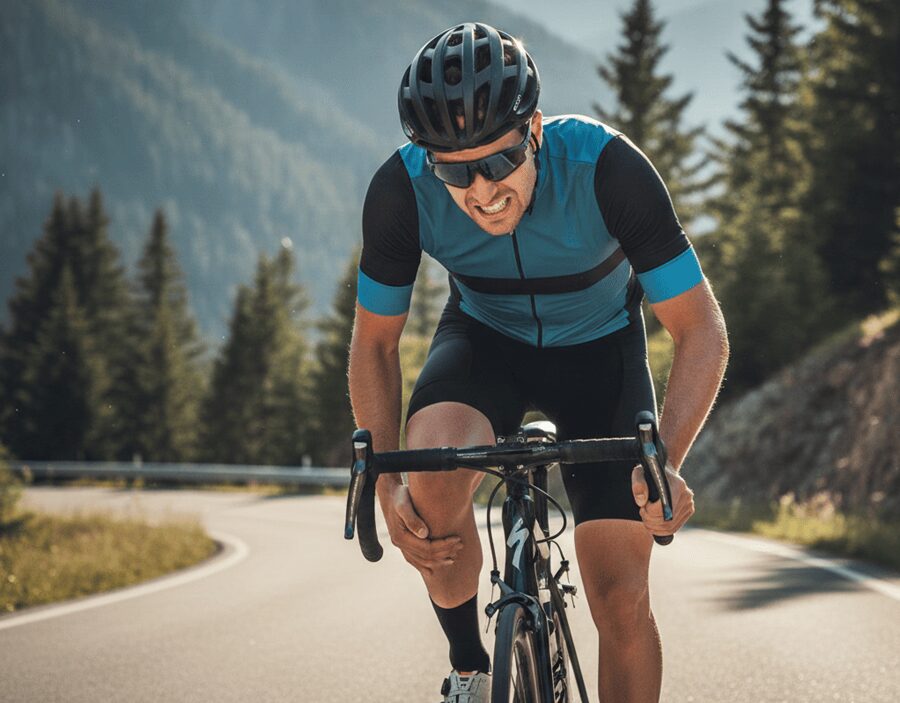
Quick Answer: What is recovery phase cycling? Recovery phase cycling is intentionally scheduled easy riding or rest periods between intense training sessions. During recovery, your body adapts to training stress, repairs muscle damage, and builds fitness. Recovery rides should be 50-60% of maximum heart rate, lasting 30-60 minutes, with minimal intensity. Without proper recovery phases, cyclists risk overtraining syndrome, decreased performance, elevated resting heart rate, persistent fatigue, and increased injury risk.
Quick Answer: What happens if you never take recovery days? Training without recovery phases leads to overtraining syndrome, characterized by declining performance despite continued training, chronic fatigue, elevated resting heart rate (5-10 bpm above normal), mood disturbances, weakened immune system, and increased injury susceptibility. Your body requires 24-72 hours between hard efforts to repair muscle tissue and replenish glycogen stores. Elite cyclists typically follow a 3:1 ratio—three weeks of progressive training followed by one recovery week.
Many cyclists fear losing fitness during winter. They push through fatigue, ignore warning signs, and skip recovery phase cycling altogether.
This approach backfires spectacularly.
Without proper rest periods, performance plateaus. Motivation crashes. Injuries multiply. The body rebels against constant stress.
Recovery phase cycling isn’t weakness—it’s strategic strength building.
Understanding Your Body’s Recovery Needs
Recovery phase cycling requires complete mental and physical reset. Your muscles need time to rebuild stronger fibers. Your nervous system demands restoration after months of intense training.
Think of recovery as investment, not expense.
Professional athletes dedicate 2-4 weeks annually to this phase. They understand that strategic rest produces better results than continuous grinding.
The Active Recovery Blueprint
Stop all structured training immediately. No intervals. No power zones. No training plans.
This doesn’t mean becoming sedentary.
Keep moving with enjoyable, unstructured activities. Ride to your favorite coffee shop. Explore new neighborhood routes. Join casual group rides without checking your computer.
Recovery phase cycling should feel like rediscovering why you love riding.
Weekly Recovery Structure That Works
Monday-Tuesday: Easy spinning for 30-45 minutes. Heart rate stays below 60% maximum. Focus on smooth pedaling, not speed.
Wednesday: Complete rest day. No cycling activities whatsoever.
Thursday-Friday: Optional light activity. Walking, swimming, or gentle yoga work perfectly. Avoid anything that feels like training.
Weekend: One longer easy ride if desired. Keep intensity conversational. Stop if fatigue appears.
Nutrition During Recovery Phase Cycling

Maintain regular eating patterns. Your body still needs quality fuel for cellular repair.
Protein intake remains crucial. Aim for 1.2-1.5 grams per kilogram of body weight daily. This supports muscle recovery and adaptation.
Hydration doesn’t stop with training. Drink water consistently throughout recovery phase cycling. Recovery nutrition products including electrolyte supplements, protein powders, and omega-3 fish oils accelerate tissue repair.
Don’t restrict calories aggressively. Minor weight gain during recovery is normal and temporary.
Mental Recovery Strategies
Delete training apps temporarily. Constant data checking creates unnecessary pressure during recovery.
Replace training time with other interests. Read books. Learn cooking. Spend time with neglected friends.
This phase should also included mental restoration.
Journal your thoughts about the past season. What worked? What didn’t? What brought joy versus stress?
This reflection guides future training decisions.
Common Recovery Mistakes to Avoid
Mistake 1: “Just one hard ride won’t hurt.” It will. Every intense effort delays recovery.
Mistake 2: Comparing yourself to others training through winter. Their timeline isn’t yours.
Mistake 3: Panicking about fitness loss. Studies show minimal decline during proper recovery phase cycling.
Mistake 4: Jumping back too quickly. Gradual return prevents injury and burnout.
Sleep: The Ultimate Recovery Tool
Prioritize 8-9 hours nightly during recovery phase cycling. Sleep drives adaptation and repair.
Create optimal sleep conditions. Dark room. Cool temperature. No screens before bed.
Consider afternoon naps. Even 20-minute rests accelerate recovery.
Quality sleep matters more than training volume. Sleep optimization products like blackout curtains, cooling mattress pads, and white noise machines support recovery phase cycling.
Monitoring Recovery Progress
Track morning heart rate variability (HRV). Rising HRV indicates successful recovery. Heart rate monitors and HRV tracking devices provide objective recovery data for cyclists.
Notice energy levels throughout the day. Genuine recovery brings natural vitality.
Pay attention to motivation. Excitement about riding should return during proper recovery phase cycling.
When you dream about bikes again, recovery is working.
Flexibility and Mobility Work

Use recovery time for neglected flexibility training. Tight hips and hamstrings limit cycling performance.
Dedicate 15 minutes daily to stretching. Focus on hip flexors, quadriceps, calves, and lower back.
Foam rolling releases muscle tension accumulated during training season. Popular recovery tools include foam rollers, massage sticks, and percussion massagers designed for cyclists.
This phase creates opportunity for addressing physical limitations.
Social Riding Without Pressure
Join no-drop group rides. Enjoy conversation without competition.
Organize coffee rides with friends. Make stops the highlight, not the pace.
Recovery phase cycling strengthens cycling community connections.
Share experiences with fellow cyclists. Everyone benefits from recovery wisdom.
Planning Your Recovery Duration
Beginners need 1-2 weeks minimum. Experienced riders require 2-4 weeks.
High-volume trainers (15+ hours weekly) benefit from longer recovery periods.
Listen to your body’s signals. Extended fatigue demands extended recovery phase cycling.
Age affects recovery needs. Older athletes typically require additional rest time.
Transitioning from Recovery Phase
Don’t rush back to intense training. Build gradually over 2-3 weeks.
Start with easy endurance rides. Add intensity slowly and systematically.
The recovery phase sets foundation for future success.
Your body will signal readiness. Energy returns. Motivation surges. Legs feel fresh.
The Long-Term Benefits
Proper recovery prevents chronic fatigue syndrome. It reduces injury risk significantly.
Athletes using structured recovery phase cycling report improved performance following rest periods.
Mental freshness translates to better training quality. You attack workouts with renewed purpose.
Recovery isn’t lost time—it’s performance investment.
Creating Your Personal Recovery Plan
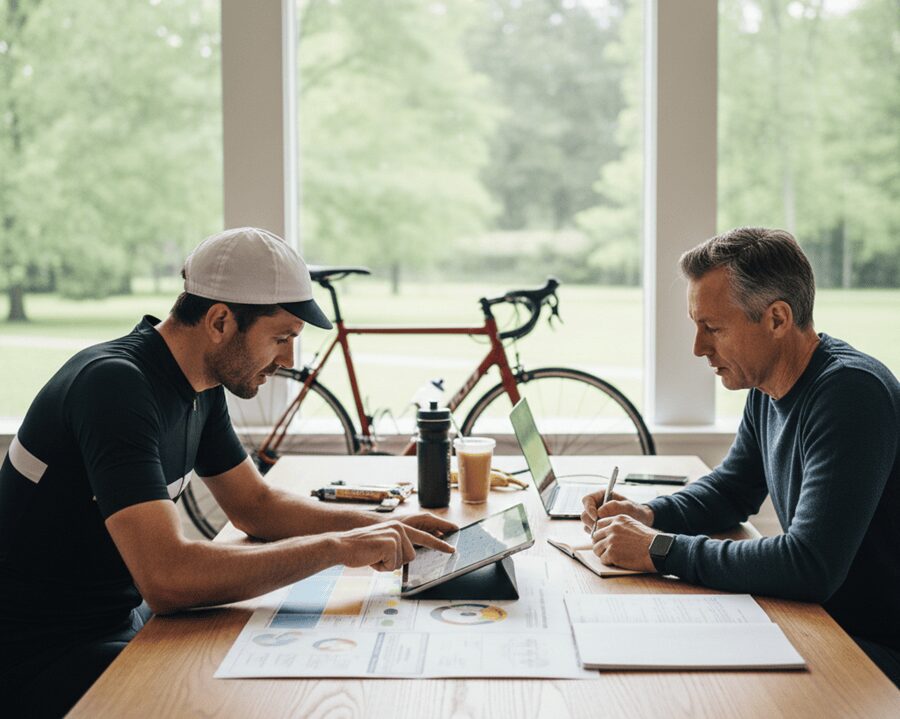
Document what works for your recovery phase cycling. Every athlete responds differently.
Track mood, energy, and motivation daily. Patterns emerge showing optimal recovery strategies.
Adjust duration based on previous season’s intensity. Harder seasons demand longer recovery.
Make recovery phase cycling non-negotiable in your annual training plan.
Conclusion: Recovery as Performance Strategy
Recovery phase cycling isn’t optional for serious athletes. It’s the foundation of sustainable performance.
Embrace rest as training’s equal partner. Both create champions.
Your next breakthrough starts with proper recovery. Give your body the reset it deserves.
The cyclists who rest strategically today dominate tomorrow’s races.
Frequently Asked Questions About Recovery Phase Cycling
Q: How long should recovery phase cycling last?
A: Beginners need 1-2 weeks of recovery phase cycling, while experienced riders require 2-4 weeks. Athletes training 15+ hours weekly benefit from longer recovery periods. High-intensity seasons demand extended rest—listen to your body’s signals and adjust accordingly.
Q: Can I do strength training during the recovery phase?
A: Light strength training is acceptable during recovery phase cycling, but avoid heavy lifting or high-intensity sessions. Focus on bodyweight exercises, mobility work, and flexibility training. Save serious strength work for your base training phase.
Q: Will I lose significant fitness during recovery phase cycling?
A: Studies show minimal fitness loss during proper recovery phase cycling lasting 2-4 weeks. You may lose 5-10% of peak fitness, but this returns quickly when training resumes. The mental and physical benefits far outweigh minor temporary fitness decline.
Q: What heart rate should I maintain during recovery rides?
A: Keep heart rate below 50-60% of maximum during recovery phase cycling rides. This equals Zone 1 intensity—you should maintain easy conversation without breathing heavily. If you can’t talk comfortably, you’re riding too hard.
Q: How do I know when recovery phase is complete?
A: Recovery phase cycling is complete when morning heart rate normalizes, energy levels rise throughout the day, motivation to train returns, and legs feel fresh instead of heavy. Most athletes notice these changes after 2-3 weeks of proper recovery.
Q: Should I stop cycling completely during recovery phase?
A: No—recovery phase cycling includes easy, unstructured riding. Aim for 2-4 short rides weekly at minimal intensity. Complete rest is an option, but light activity typically produces better results than total inactivity for experienced cyclists.
Want a Training Plan Built Around Your FTP?
Stop guessing at your zones. Answer 7 quick questions and get a personalized FTP roadmap built around your equipment, schedule, and biggest limiter.
Recommended Recovery Products for Cyclists
Proper equipment accelerates recovery and improves training adaptation. These tools support your recovery phase cycling routine:
Recovery and Massage Tools: Foam rollers, massage sticks, and percussion massagers release muscle tension and improve circulation between training blocks.
Heart Rate Monitors and HRV Trackers: Chest strap monitors and wrist-based devices provide objective recovery data, helping you determine when rest is complete.
Sleep Optimization Products: Blackout curtains, cooling mattress pads, and white noise machines create ideal conditions for the 8-9 hours of quality sleep recovery demands.
Nutrition and Hydration: Electrolyte supplements, high-quality protein powders, and omega-3 fish oils support tissue repair and cellular recovery during rest periods.
Mobility and Flexibility Equipment: Yoga mats, resistance bands, and stretching straps enable the flexibility work that addresses physical limitations during recovery phase cycling.
Investing in recovery tools produces better performance gains than additional training equipment.