

Contents
- 1 Winter Base Training Cycling: The Winter Fitness Decline Trap
- 1.1 Understanding Physiological Foundations
- 1.2 Aerobic Base Development Strategy
- 1.3 Indoor Training Equipment Essentials
- 1.4 Strength Training for Cyclists
- 1.5 Coordination and Balance Training
- 1.6 Nutrition Strategy for Base Building
- 1.7 Cross-Training Activities
- 1.8 Weekly Training Structure
- 1.9 Monitoring Training Load
- 1.10 Mental Training Components
- 1.11 Recovery and Adaptation
- 1.12 Testing Progress Regularly
- 1.13 Common Base Training Mistakes
- 1.14 Equipment Maintenance Schedule
- 1.15 Transitioning to Race Phase
- 1.16 Conclusion: Winter Work Wins Races
- 1.17 1. Wahoo KICKR Core Smart Trainer
- 1.18 2. Garmin HRM-Dual Heart Rate Monitor
- 1.19 3. The Cyclist’s Training Bible by Joe Friel
- 1.20 4. TriggerPoint GRID Foam Roller
Winter Base Training Cycling: The Winter Fitness Decline Trap
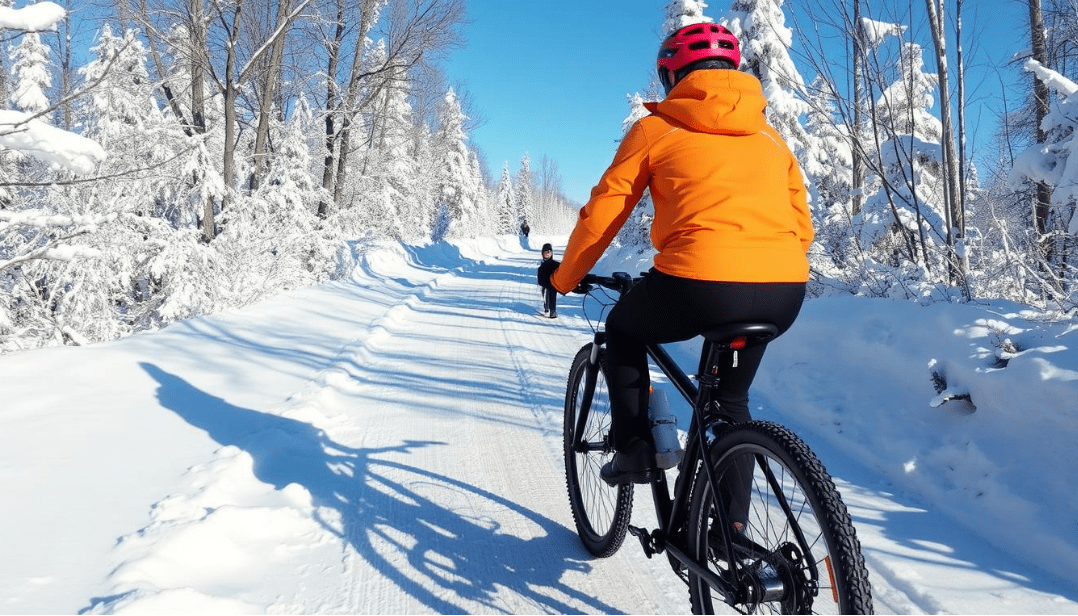
Cyclists lose 15-20% of their fitness during winter months without proper winter base training cycling. Cold weather becomes an excuse for inactivity.
Spring arrives with shocking weakness.
Starting from zero each year guarantees mediocre performance. Racing season becomes recovery season. Goals remain dreams.
Winter base training cycling prevents this devastating cycle.
Understanding Physiological Foundations
Winter base training cycling builds four critical fitness components simultaneously. Each element supports the others synergistically.
The Core Four Foundations:
- Aerobic endurance – Your body’s oxygen-processing engine
- Muscular strength – Power production capacity
- Neuromuscular coordination – Efficiency and technique
- Metabolic efficiency – Fat-burning capabilities
Professional cyclists dedicate 12-16 weeks to foundation building. They know championships are won in winter.
Aerobic Base Development Strategy
Build aerobic capacity through consistent low-intensity work. This forms 70% of winter base training cycling.
| Zone | Heart Rate | Duration | Weekly Frequency | Purpose |
| Zone 1 | 50-60% Max | 60-90 min | 2-3 times | Recovery |
| Zone 2 | 60-75% Max | 90-240 min | 3-4 times | Base building |
| Zone 3 | 75-82% Max | 45-90 min | 1-2 times | Tempo endurance |
Keep intensity controlled. Higher intensity doesn’t mean better results during base phase.
Indoor Training Equipment Essentials
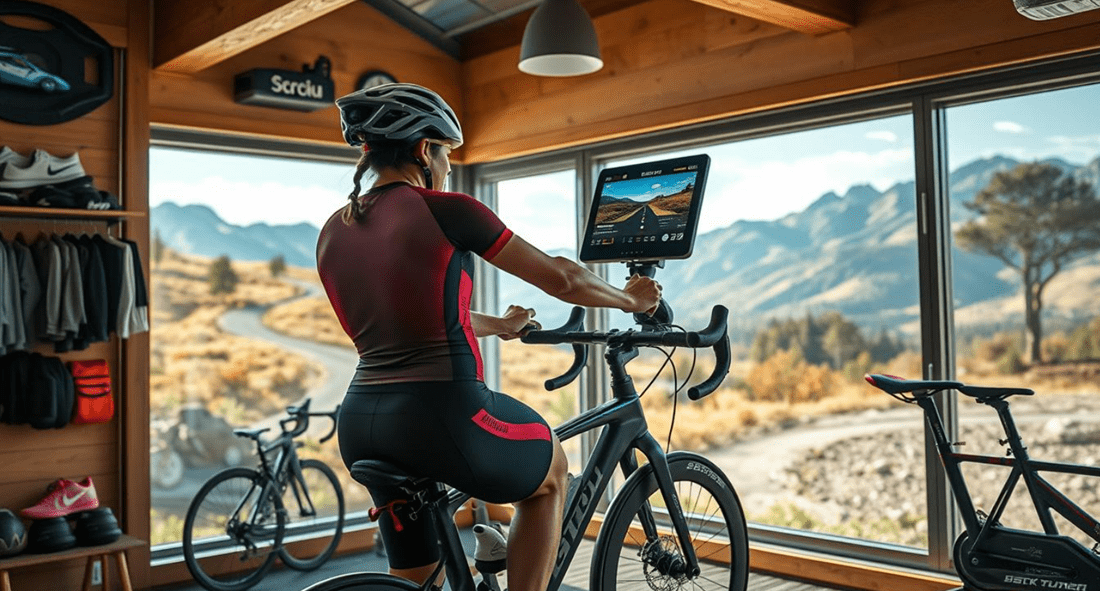
Smart trainers revolutionize winter base training cycling. They provide consistent resistance regardless of weather.
Top 5 Indoor Training Tools:
- Direct-drive trainer – Eliminates wheel slippage
- Power meter pedals – Track bilateral power balance
- Heart rate monitor – Ensures proper intensity
- Cooling fan – Maintains core temperature
- Training mat – Protects floors from sweat
Virtual training platforms make indoor sessions engaging. Zwift, TrainerRoad, and Sufferfest transform boring workouts.
Strength Training for Cyclists
Gym work during winter base training cycling builds power impossible to develop on the bike alone.
Essential Strength Exercises:
- Squats – Build quadriceps and glute power
- Deadlifts – Strengthen posterior chain
- Single-leg press – Address imbalances
- Core planks – Improve power transfer
- Bulgarian split squats – Enhance stability
- Box jumps – Develop explosive power
| Exercise | Sets | Reps | Rest | Frequency |
| Squats | 3-4 | 8-12 | 2 min | 2x/week |
| Deadlifts | 3-4 | 6-10 | 3 min | 1x/week |
| Leg Press | 3 | 12-15 | 90 sec | 2x/week |
| Core Work | 3 | 30-60 sec | 1 min | 3x/week |
Progressive overload drives adaptation. Increase weight or reps weekly.
Coordination and Balance Training
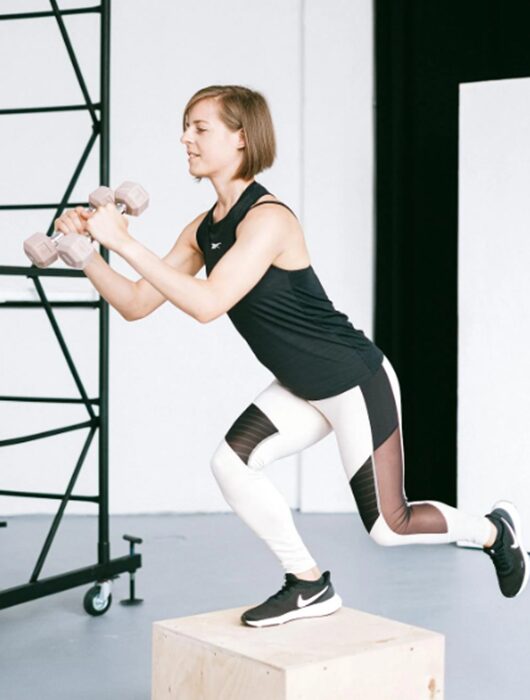
Poor coordination wastes energy. Winter base training cycling must address technical efficiency.
7 Coordination Drills for Cyclists:
- Single-leg pedaling – 30 seconds per leg
- High-cadence spinning – 110+ rpm for 5 minutes
- Low-cadence grinding – 50-60 rpm intervals
- Standing balance holds – Eyes closed, 60 seconds
- Agility ladder drills – Improve foot speed
- Medicine ball throws – Develop power coordination
- Yoga flow sequences – Enhance body awareness
Practice these drills 2-3 times weekly during base phase.
Nutrition Strategy for Base Building

Winter base training cycling demands proper fueling despite lower intensities.
Daily Nutrition Targets:
- Carbohydrates: 5-7g per kg body weight
- Protein: 1.4-1.8g per kg body weight
- Fats: 1-1.2g per kg body weight
- Water: 35-40ml per kg body weight
| Meal Timing | Carb Focus | Protein Focus | Purpose |
| Pre-workout | 30-50g | 10-15g | Energy provision |
| During (2+ hours) | 60g/hour | 0g | Sustained energy |
| Post-workout | 1g/kg BW | 20-30g | Recovery |
| Evening | Moderate | High | Adaptation |
Don’t restrict calories aggressively. Base building requires adequate energy.
☕️ Buy Me A Coffee (Support the Channel) https://buymeacoffee.com/cirp200ml
Any amount helps!
Cross-Training Activities
Variety prevents burnout during winter base training cycling.
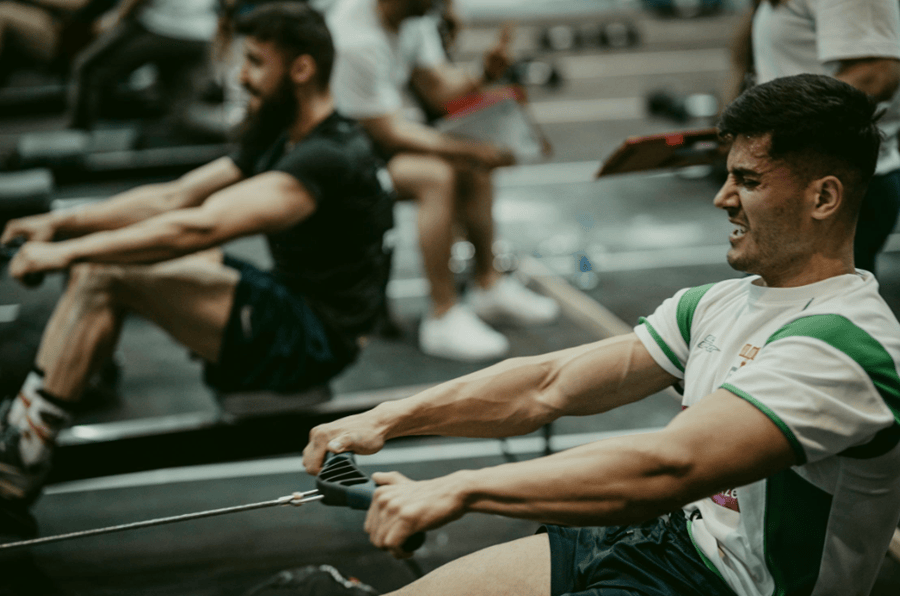
Best Cross-Training Options:
- Swimming – Zero-impact aerobic work
- Cross-country skiing – Full-body endurance
- Running – Maintains cardiovascular fitness
- Rowing – Builds upper body strength
- Hiking – Develops leg endurance
- Rock climbing – Improves grip and core
| Activity | Duration | Intensity | Weekly Frequency | Cycling Benefit |
| Swimming | 30-45 min | Moderate | 1-2x | Recovery |
| Running | 30-60 min | Easy | 1-2x | VO2 maintenance |
| Skiing | 60-120 min | Moderate | 1x | Endurance |
| Yoga | 45-60 min | Low | 2-3x | Flexibility |
Mix activities to maintain motivation throughout winter.
Weekly Training Structure
Organize winter base training cycling for optimal adaptation and recovery.
Sample Base Week Structure:
- Monday: Rest or easy yoga
- Tuesday: 90-minute Zone 2 ride + strength training
- Wednesday: 60-minute recovery spin
- Thursday: 2-hour Zone 2 ride
- Friday: Rest day
- Saturday: 3-hour endurance ride
- Sunday: Cross-training or 90-minute tempo ride
Adjust volume based on experience and available time.
Monitoring Training Load
Track stress to prevent overtraining during winter base training cycling.
5 Key Monitoring Metrics:
- Training Stress Score (TSS) – Quantifies workout difficulty
- Chronic Training Load (CTL) – Long-term fitness
- Acute Training Load (ATL) – Short-term fatigue
- Training Stress Balance (TSB) – Form/freshness
- Resting heart rate – Recovery indicator
| CTL Change | Weekly TSS | Adaptation | Risk Level |
| +3-5 points | 300-400 | Optimal | Low |
| +5-8 points | 400-600 | Aggressive | Moderate |
| +8-10 points | 600-800 | Maximum | High |
| >10 points | 800+ | Excessive | Very High |
Gradual progression prevents injury and burnout.
Mental Training Components

Psychology affects performance during winter base training cycling.
Mental Skills to Develop:
- Visualization – See yourself succeeding
- Goal setting – Create specific targets
- Positive self-talk – Build confidence
- Mindfulness – Stay present during efforts
- Stress management – Control anxiety
- Focus techniques – Maintain concentration
Practice mental skills during every workout.
Recovery and Adaptation
Recovery drives improvement in winter base training cycling.

Essential Recovery Methods:
- Sleep 8-9 hours nightly
- Foam roll 10-15 minutes daily
- Stretch major muscle groups
- Take ice baths after hard sessions
- Schedule massage monthly
- Use compression garments
- Maintain protein intake
| Recovery Method | Duration | Frequency | Benefit |
| Sleep | 8-9 hours | Daily | Primary adaptation |
| Stretching | 15-20 min | Daily | Flexibility |
| Foam Rolling | 10-15 min | Daily | Tissue quality |
| Massage | 60 min | Monthly | Deep recovery |
Never skip recovery protocols.
Testing Progress Regularly
Measure improvements during winter base training cycling.
4 Essential Progress Tests:
- FTP test every 4-6 weeks
- 5-minute power test monthly
- Endurance ride RPE check
- Resting heart rate trends
Document all results. Compare against baseline measurements.
Common Base Training Mistakes
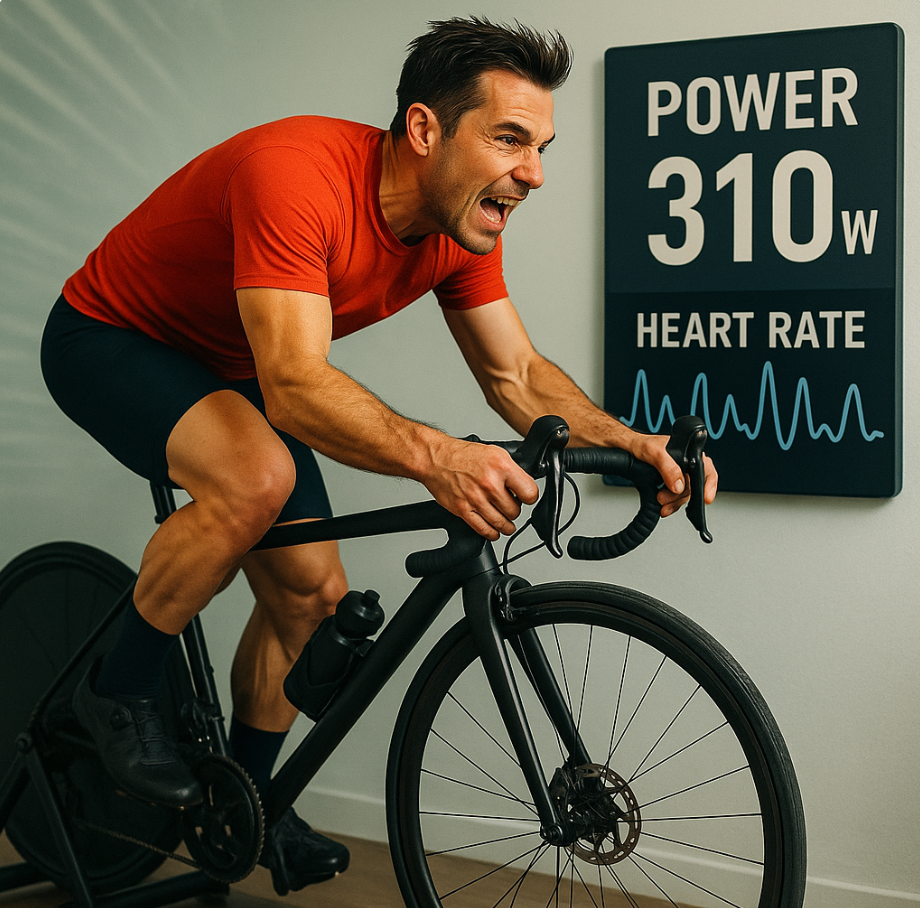
Top 7 Winter Training Errors:
- Training too hard too often
- Neglecting strength work completely
- Ignoring nutrition quality
- Skipping recovery days
- Lack of training variety
- Poor indoor ventilation
- Inconsistent training schedule
Avoid these pitfalls for successful winter base training cycling.
Equipment Maintenance Schedule
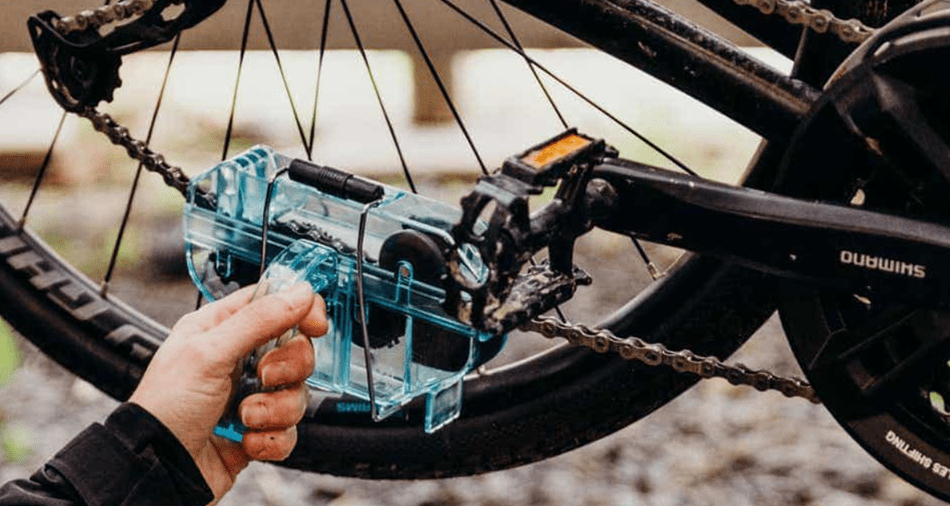
Winter training destroys equipment faster. Maintain bikes properly.
| Component | Check Frequency | Replace Timeline | Winter Impact |
| Chain | Weekly | 2000-3000km | Faster wear |
| Brake Pads | Bi-weekly | 3-4 months | Wet conditions |
| Tires | Weekly | 4000-5000km | Debris damage |
| Cables | Monthly | Annually | Corrosion risk |
Regular maintenance prevents training interruptions.
Transitioning to Race Phase
Winter base training cycling creates the platform for race success.
Final 4 Weeks Transition:
- Week 1: Maintain volume, add intensity
- Week 2: Reduce volume 10%, increase intensity
- Week 3: Add race-pace efforts
- Week 4: Taper and recover
Your foundation is complete. Racing fitness follows naturally.
Conclusion: Winter Work Wins Races
Winter base training cycling separates champions from participants. It builds unshakeable fitness foundations.
Commit to the process. Trust the progression. Embrace the journey.
Spring will reveal a transformed cyclist. Your competition won’t know what hit them.
The work you do now determines next season’s success.
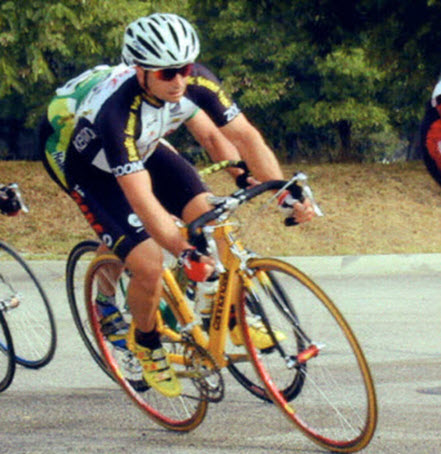
James Hickman is a former Expert coach with USA Cycling who coached cyclists across all skill levels, from CAT 2 racers to intermediate and beginning riders. He also served as a coach for the Leukemia and Lymphoma Society’s Team In Training program, where he successfully trained individuals of varying abilities to complete century (100-mile) rides, combining his passion for cycling with meaningful community impact.
If you enjoyed this article:
☕️ Buy Me A Coffee (Support the website) https://buymeacoffee.com/cirp200ml
Any amount helps!
1. Wahoo KICKR Core Smart Trainer
Build Your Foundation Indoors
The Wahoo Kickr Core is a highly-rated smart trainer available at discounted prices Cycling Weekly, perfect for maintaining fitness during winter months. This direct-drive trainer provides accurate power readings and connects seamlessly to training apps like Zwift and Trainer Road, allowing you to build your aerobic base regardless of weather conditions.
Transform your pain cave into a training powerhouse – get the KICKR Core and never miss a base-building workout again.
2. Garmin HRM-Dual Heart Rate Monitor
Track Your Training Zones
The Garmin HRM-Dual gets its name from its compatibility with Bluetooth as well as ANT+, and transmits over a 3m range Cycling Weekly. This reliable chest strap monitor helps you stay in the correct heart rate zones during base training, ensuring you’re building aerobic fitness without overtraining. The monitor comes fitted to an adjustable strap, with a length range of 63.5cm to 132cm Cycling Weekly.
Master your zones and optimize recovery – add the HRM-Dual to monitor every heartbeat of your base training journey.
3. The Cyclist’s Training Bible by Joe Friel
Your Complete Training Blueprint
Joe Friel—cycling’s most experienced personal coach—presents the latest discoveries in cycling science, data analysis, daily planning, and skills development Amazon. This comprehensive guide helps you create a personalized training plan for building a solid foundation during winter, with detailed sections on periodization and base training principles.
Stop guessing and start progressing – grab your copy and build a science-based winter training plan today.
4. TriggerPoint GRID Foam Roller
Accelerate Your Recovery
Essential for maintaining muscle health during increased winter training volume. Foam rollers are advocated by many physiotherapists and other health care professionals for a variety of reasons – to reduce muscle pain, improve range of motion (ROM) and flexibility, for athletic performance, recovery, and injury prevention Cycling Weekly. The textured surface helps release tight spots in quads, IT bands, and hamstrings that commonly develop during base training.
Roll away fatigue and stay consistent – invest in the GRID roller to keep your legs fresh for tomorrow’s base miles.
We are an Amazon affiliate and earn from qualified Amazon purchases with no cost to you. This is for ANY product that you purchase through our links.
☕️ Buy Me A Coffee to Support the Channel ➡️ https://buymeacoffee.com/cirp200ml
Any amount helps, Thank you!
If you enjoyed learning about this week’s featured bicycle, don’t miss out on more classic bike goodness! Visit our website at classicjapanesebicycles.com for an extensive collection of timeless Japanese bikes and their unique stories. Plus, check out our YouTube channel, Bicycle Restoration Man, for detailed restoration videos and showcases of our finished projects. Subscribe and join our community of bike enthusiasts!