
Discover the excellence of Cannondale track engineering with the iconic aluminum design!
This bike combines cutting-edge technology with a friendly vibe, making it perfect for riders who crave performance and style. Experience the thrill of smooth rides and sharp handling as you master every track. Join the Cannondale track community and elevate your cycling journey today! Why Aluminum Track Frames Still Dominate Velodromes
 SPECIAL THANKS TO THESPOKEN.COM AND WILL GOODAN FOR THE IMAGES CONTAINED IN THIS ARTICLE!
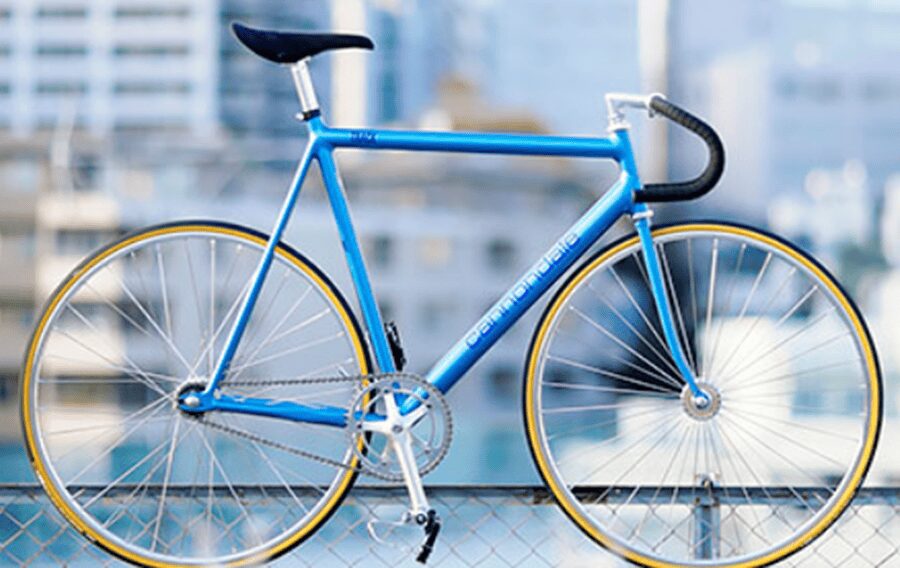
The Cannondale Track bike remains a benchmark in velodrome racing technology after twenty-two years. This aluminum frame continues to influence modern track bicycle design through its pioneering oversized tube construction and race-proven geometry. The engineering principles established in this model persist in contemporary track racing applications.
Revolutionary Aluminum Construction Methods
 Photo by Will Goodan
The Cannondale track frame showcases advanced aluminum welding techniques that define its structural integrity. The oversized tubes provide exceptional stiffness-to-weight ratios crucial for sprint events and pursuit racing. These dimensional specifications exceed traditional steel tubing parameters by significant margins.
Smooth weld joints and precision-machined head tube interfaces demonstrate manufacturing excellence. The bottom bracket shell features reinforced gussets that transfer power efficiently during standing starts. Additional material thickness at stress concentration points prevents fatigue crack propagation.
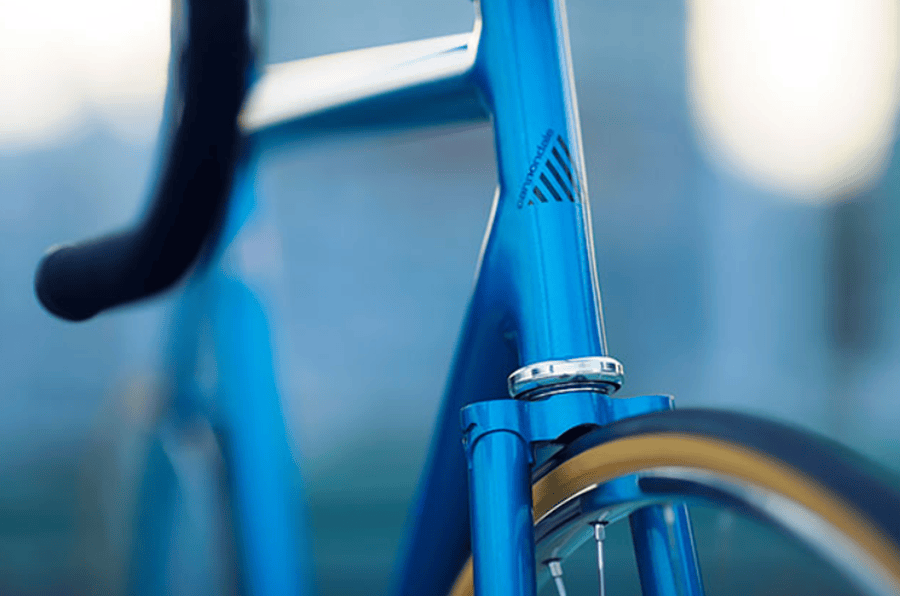 Photo by Will Goodan
Heat treatment processes enhance the 6061-T6 aluminum alloy’s fatigue resistance. The frame’s uncluttered aesthetic allows visual inspection of weld quality and tube alignment. Post-welding stress relief procedures ensure dimensional stability throughout the frame’s service life.
Track-specific geometry includes a 73-degree head angle and shortened wheelbase for responsive handling. The elevated bottom bracket height prevents pedal strike during aggressive banking maneuvers. Fork rake measurements on the Cannondale track optimize straight-line stability while maintaining cornering precision.
Tube butting variations reduce weight without compromising structural requirements. The downtube profile resists torsional loads generated during maximum power output phases. Chain stay dimensions accommodate standard track hub spacing while maximizing lateral stiffness.
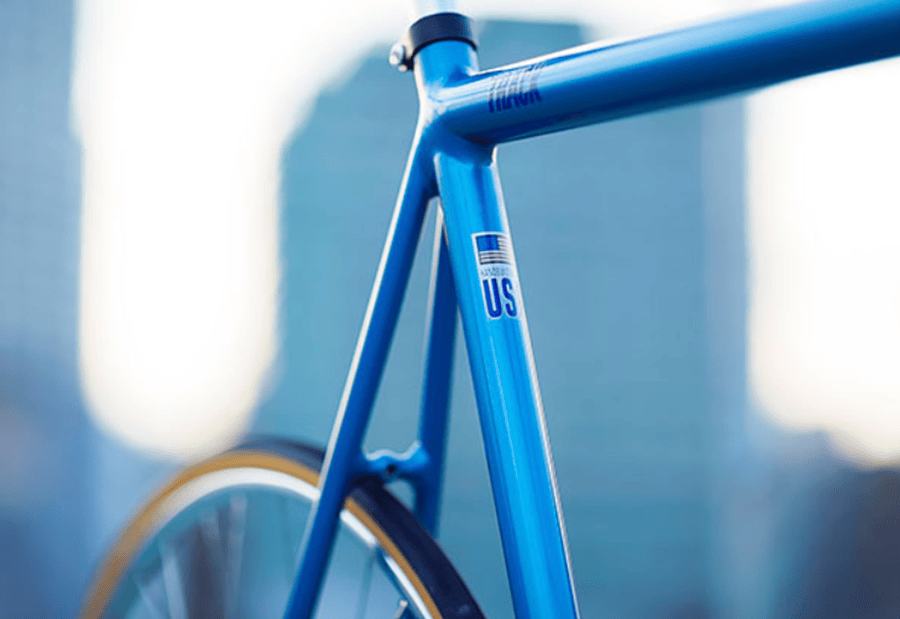 Photo by Will Goodan
The seat tube angle positions riders for optimal power transfer through the pedal stroke. Top tube length variations accommodate different riding positions and biomechanical requirements. The head tube length balances aerodynamic positioning with sustainable comfort levels.
Connecticut Innovation Heritage
 Photo by Will Goodan
Cannondale’s transformation from outdoor equipment manufacturer to bicycle industry leader began in 1971. Joe Montgomery, Jim Catrambone, and Ron Davis initially produced camping gear and bicycle trailers at their Connecticut facility. Their early products included the Bugger trailer, which despite naming challenges, achieved export success.
The company name originates from the historic Cannondale Railroad Station. Their 1983 entry into bicycle manufacturing introduced aluminum frames when steel dominated competitive cycling. This material choice challenged established industry conventions and rider preferences, laying the foundation for what would become the revolutionary Cannondale track design philosophy.
 Photo by Will Goodan
The SM-500 mountain bike debuted in 1984, establishing Cannondale’s reputation for material innovation. Elevated Suspension Technology and the Super V frame design revolutionized off-road cycling performance. These innovations translated directly into track frame development methodologies.
Professional teams including Volvo-Cannondale and Saeco-Cannondale validated these technologies through competitive success. The Coda Magic Crank system reduced rotating mass while maintaining structural strength. Victory results from professional competitions accelerated market acceptance of aluminum construction.
 Photo by Will Goodan
The company name originates from the historic Cannondale Railroad Station. Their 1983 entry into bicycle manufacturing introduced aluminum frames when steel dominated competitive cycling. This material choice challenged established industry conventions and rider preferences, laying the foundation for what would become the revolutionary Cannondale track design philosophy that would later manifest in their acclaimed track racing frames.
Component Integration and Build Specifications
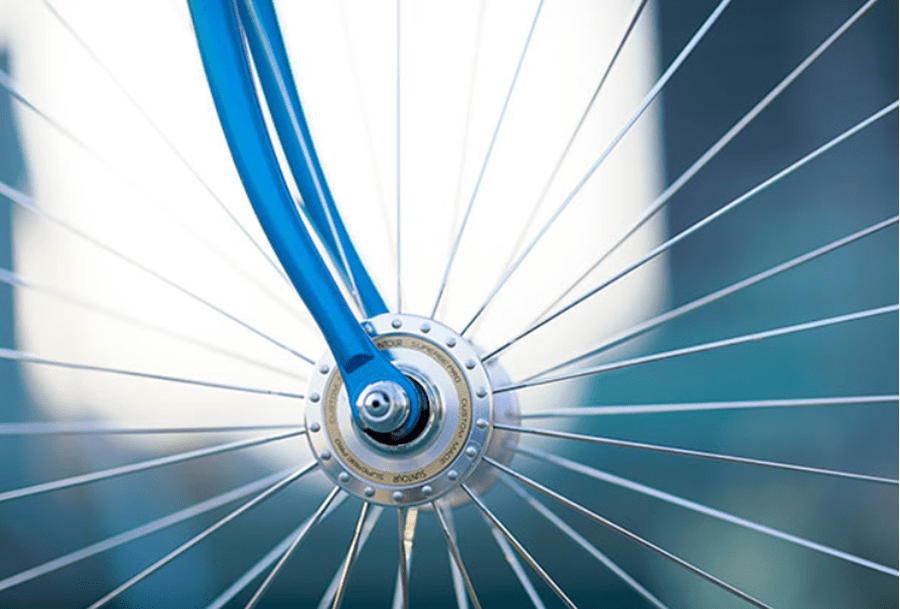 Photo by Will Goodan
Modern builds of vintage Cannondale track frames require careful component selection. Suntour Superbe group sets provide period-correct aesthetics with reliable performance characteristics. Japanese Keirin components complement the frame’s racing pedigree and dimensional specifications.
NJS-certified bottom brackets ensure compatibility with track racing standards. Threading specifications match international ISO standards for component interchangeability. Bearing quality affects drivetrain efficiency and maintenance intervals significantly.
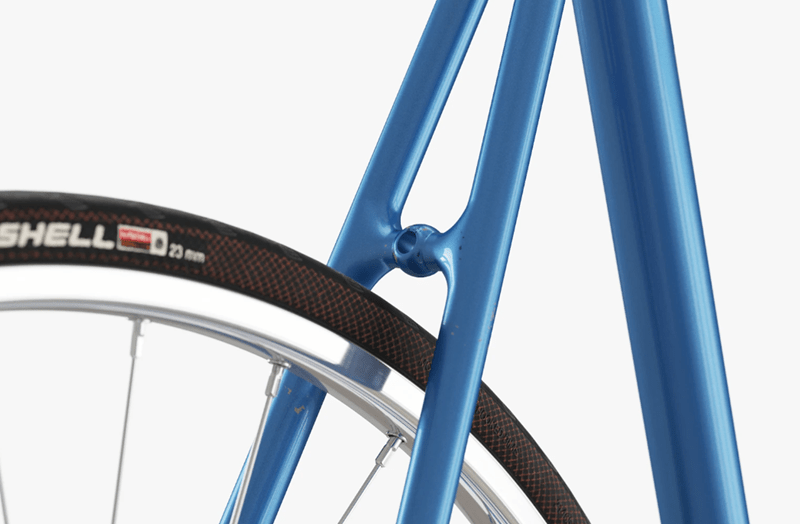 Photo by Will Goodan
Hand-polished rims and Sapim spokes enhance aerodynamic efficiency through reduced surface turbulence. Spoke tension uniformity prevents wheel deformation under lateral loading conditions, a principle well-demonstrated in Cannondale track designs. Rim profile selection influences acceleration characteristics and crosswind stability.
The frame accommodates both traditional quill stems and modern threadless systems through adapter sleeves. Carbon fiber forks can replace original aluminum units for reduced front-end weight.
Performance Characteristics and Riding Dynamics
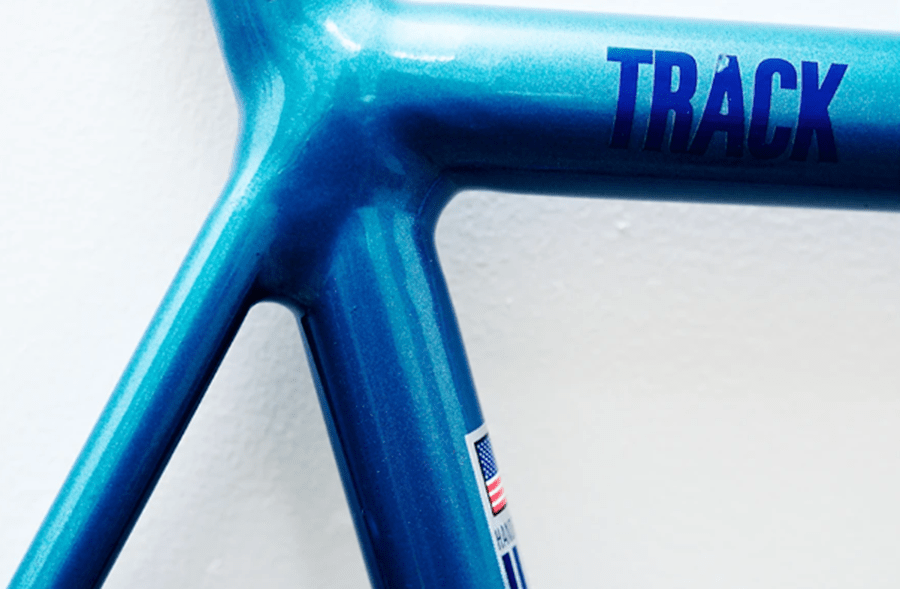 Photo by Will Goodan
The aluminum frame delivers immediate power transfer through minimal flex under load. Acceleration response surpasses steel frames due to superior stiffness properties.
Vibration damping characteristics differ from steel, requiring precise tire pressure adjustment. The oversized downtube and chainstays resist lateral deflection during out-of-saddle efforts.
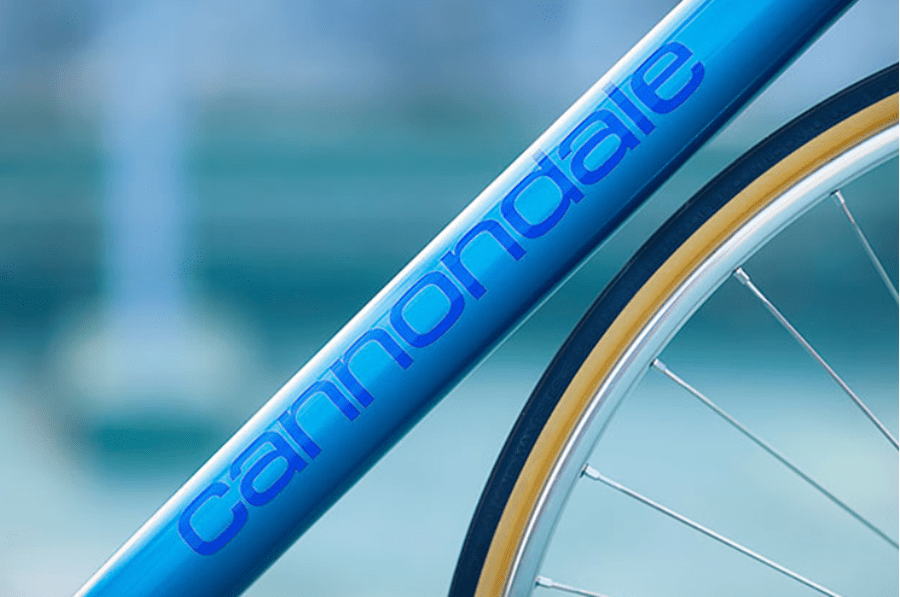 Photo by Will Goodan
The Cannondale track geometry positions riders aggressively for aerodynamic efficiency and power production. The shortened trail measurement enhances steering precision at high velocities.
Professional mechanics praise the frame’s durability and resistance to stress fractures. Regular inspection of high-stress areas maintains structural integrity over extended use periods.
Riders transitioning from steel notice the aluminum frame’s distinctive acceleration characteristics. The instantaneous power delivery suits explosive sprint efforts and tactical accelerations.
Top Cycling Products on Amazon
Park Tool PCS-10.3 Deluxe Home Mechanic Repair Stand – Professional-grade work stand featuring adjustable clamp height and 360-degree rotation for comprehensive bicycle maintenance.
Finish Line DRY Teflon Bicycle Chain Lube – Advanced lubricant formula designed for track cycling applications where minimal drivetrain resistance is critical.
Topeak Joe Blow Sport III High Pressure Floor Pump – Precision gauge reads up to 160 PSI for accurate track tire inflation requirements.
Duratech Bicycle Maintenance Tool Kit – Comprehensive 41-piece set includes specialized tools for headset, bottom bracket, and drivetrain service.
We are an Amazon affiliate and earn from qualified Amazon purchases with no cost to you. This is for ANY product that you purchase through our links.
If you enjoyed learning about this week’s featured bicycle, don’t miss out on more classic bike goodness! Visit our website at classicjapanesebicycles.com for an extensive collection of timeless Japanese bikes and their unique stories. Plus, check out our YouTube channel, Bicycle Restoration Man, for detailed restoration videos and showcases of our finished projects. Subscribe and join our community of bike enthusiasts!