

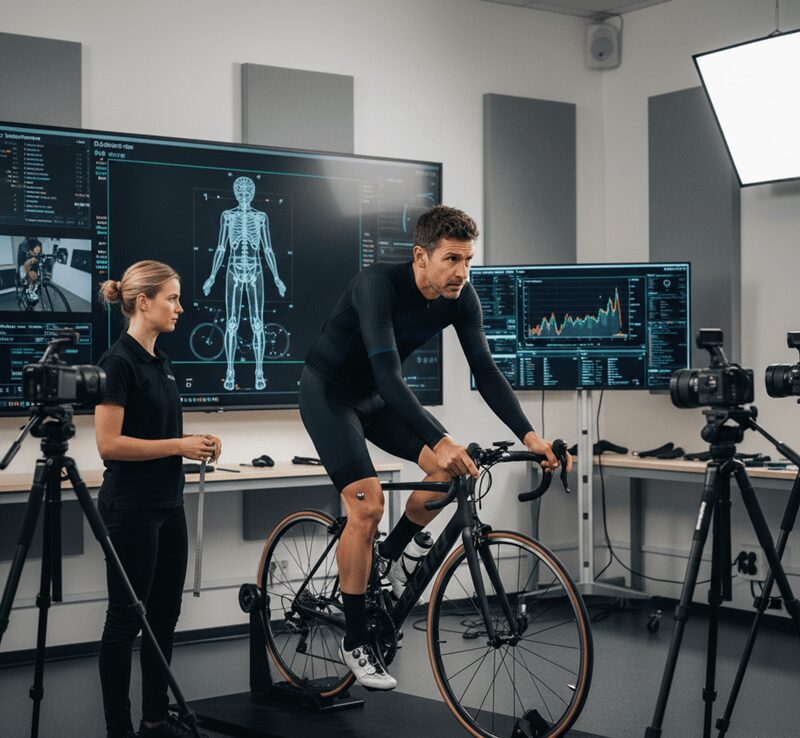
Quick Answer: Overtraining shows up as persistent fatigue, declining power numbers, elevated resting heart rate, and irritability that doesn’t resolve with a rest day or two. Undertraining looks like plateaued fitness, easy recovery from every ride, and watts that never climb. The fix for both starts with honestly assessing your current training load against your goals.
You’re putting in the miles. You’re watching your nutrition. You even bought the recovery boots.
Recovery Tool I Recommend: If you’re relying on compression for recovery, the Therabody
RecoveryPulse System is one of the most effective options out there. It helps flush the legs after hard blocks—but it won’t fix poor training structure. Think of it as support, not a solution.
But your FTP hasn’t moved in months — or worse, it’s dropping. The problem is rarely effort. It’s almost always dosage. And most cyclists have no idea which side of the line they’re on.
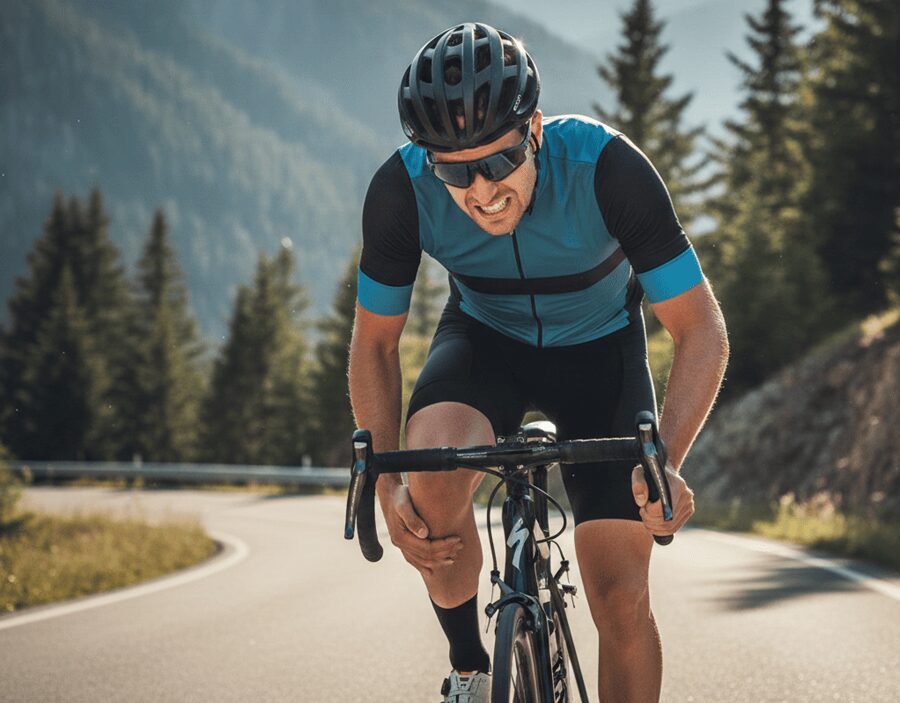
What Overtraining Actually Looks Like in Cyclists
Overtraining syndrome isn’t just feeling tired after a hard block. It’s a systemic breakdown that happens when training stress chronically exceeds your body’s ability to recover. The real danger is that dedicated riders often interpret the early warning signs as reasons to train harder.
Watch for these red flags: your resting heart rate creeps up 5–10 bpm above baseline, power numbers drop even when perceived effort feels maximal, sleep quality tanks despite physical exhaustion, and motivation disappears. Overtraining also suppresses your immune system — if you’re catching every cold that comes through the office, your training load deserves scrutiny.
Track It Accurately: A reliable chest strap like the Garmin HRM-200 gives far more consistent data than wrist-based monitors—especially when you’re watching subtle changes that signal overtraining.
Upgrade Option: If you want standalone recording and deeper data, the Garmin HRM 600 Heart Rate Monitor adds advanced tracking—but most riders won’t need it.
The hallmark of genuine overtraining is that a single rest day doesn’t fix it. If two full weeks off the bike barely moves the needle, you’ve gone deep into the hole.
The Undertraining Problem Nobody Talks About
Here’s the uncomfortable truth: more recreational and amateur cyclists are undertraining than overtraining. It’s far less dramatic, so it gets far less attention.
Undertraining doesn’t mean you’re lazy. It means your training stimulus isn’t sufficient to force adaptation. You ride the same routes at the same intensity, recover easily, and wonder why nothing changes. Your body adapted to that load months ago and is now just maintaining.
Signs you’re undertraining include recovering fully within hours of every ride, never feeling genuinely fatigued mid-week, a heart rate that barely elevates during efforts, and an FTP that’s been identical for two or more test cycles. Comfortable riding is fine for health — but it won’t build fitness.
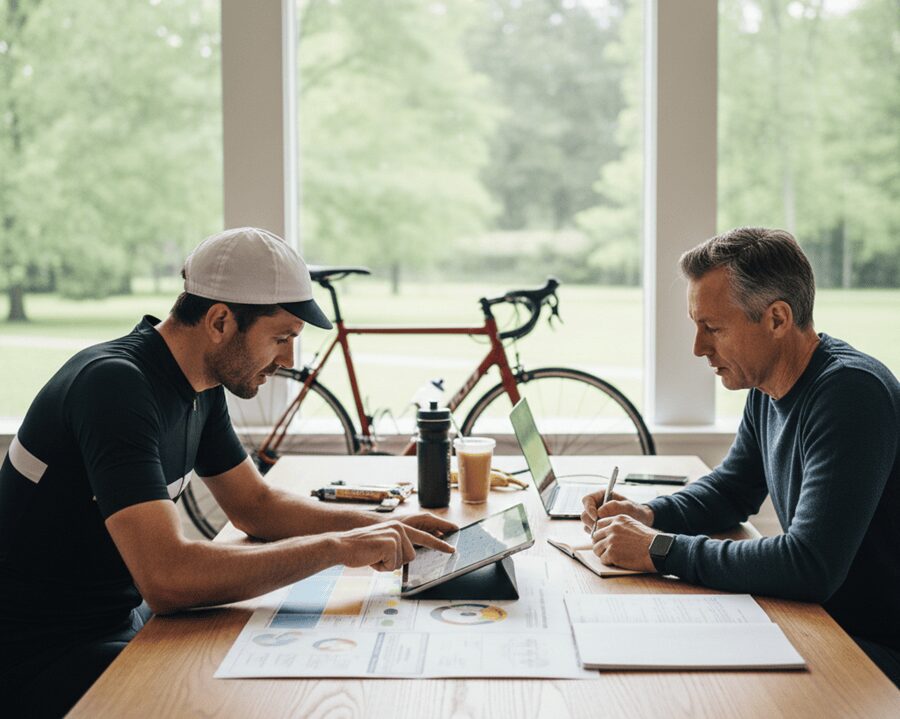
How to Tell Which One You Are
The fastest diagnostic is your Training Stress Balance (TSB) if you use a platform like TrainingPeaks or Intervals.icu.
📈 Pro Tip: Pairing structured training with accurate data tracking is one of the fastest ways to break through a plateau.
A chronically negative TSB (below -30 for weeks) points toward overtraining territory. A TSB that never dips below -10 suggests you’re not pushing enough stimulus.
No power meter or tracking platform? Use the talk test and recovery test instead. If you can hold a conversation during every ride, you’re probably undertraining. If you can’t complete sentences even on your easy days and your legs feel heavy before you clip in, overtraining is the likely culprit.
Resting heart rate variability (HRV) is another powerful tool. A downward HRV trend over several weeks — especially combined with declining performance — is one of the most reliable early indicators of overtraining before it becomes a full-blown syndrome.

The Fix for Both Sides
If you’re overtrained, the prescription is counterintuitive: do less. Dramatically less. Two weeks of truly easy spinning or complete rest, followed by a gradual rebuild with structured recovery weeks every third or fourth week.
If you’re undertrained, you need progressive overload — not junk miles. Add structured intervals, increase your weekly Training Stress Score (TSS) — a metric that quantifies the total training load of a ride based on its duration and intensity relative to your FTP — by no more than 10% per week, and make your hard days genuinely hard so your easy days can be genuinely easy. Polarized training works because it forces this discipline.
Power-Based Training: If you’re still guessing intensity, a power meter like the Favero Assioma Pro RS-1 Pedals gives you precise feedback so you can apply progressive overload correctly—not just ride harder and hope.
Either way, the common denominator is structure. Random riding produces random results. A training plan matched to your current fitness, your available hours, and your goals eliminates the guesswork that leads to both overtraining and undertraining.
Find out exactly what’s holding you back — take the free 2-minute assessment!
Frequently Asked Questions
How long does it take to recover from overtraining?
Mild overreaching resolves in one to two weeks of reduced training. True overtraining syndrome can take two to three months of significantly reduced volume before performance returns to baseline. The deeper the hole, the longer the climb out.
Can you overtrain on just three rides per week?
Yes. Overtraining is about the ratio of stress to recovery, not volume alone. Three extremely intense rides with poor sleep, high life stress, and inadequate nutrition can push you into overtraining faster than six moderate rides with solid recovery habits.
What’s the single best metric to monitor for overtraining?
Resting heart rate tracked daily under consistent conditions — same time, before getting out of bed — is the most accessible and reliable early warning sign. A sustained rise of five or more beats per minute above your personal baseline warrants an immediate reduction in training load.
Want a Training Plan Built Around Your FTP?
Stop guessing at your zones. Answer 7 quick questions and get a personalized FTP roadmap built around your equipment, schedule, and biggest limiter.
James Hickman is a former USA Cycling Expert-level coach who has worked with cyclists at every level, from beginners to competitive racers. He served as a coach for the Leukemia & Lymphoma Society’s Team In Training program, helping riders prepare for and complete century events. A Masters-category racer himself, he competed and earned podium finishes in Southern California events and holds a Platinum finish at El Tour de Tucson, completing the 100 miles+ in under five hours.
We are an Amazon affiliate and earn from qualified Amazon purchases with no cost to you. This is for ANY product that you purchase through our links. We are also an affiliate for Competitive Cyclist and JensonUSA. This way we can provide you with competitive pricing and products.